SKAT advances Tunisia’s energy transition through evidence-based evaluation
Our longstanding expertise in evaluating complex energy transition initiatives helps maximise project impact.
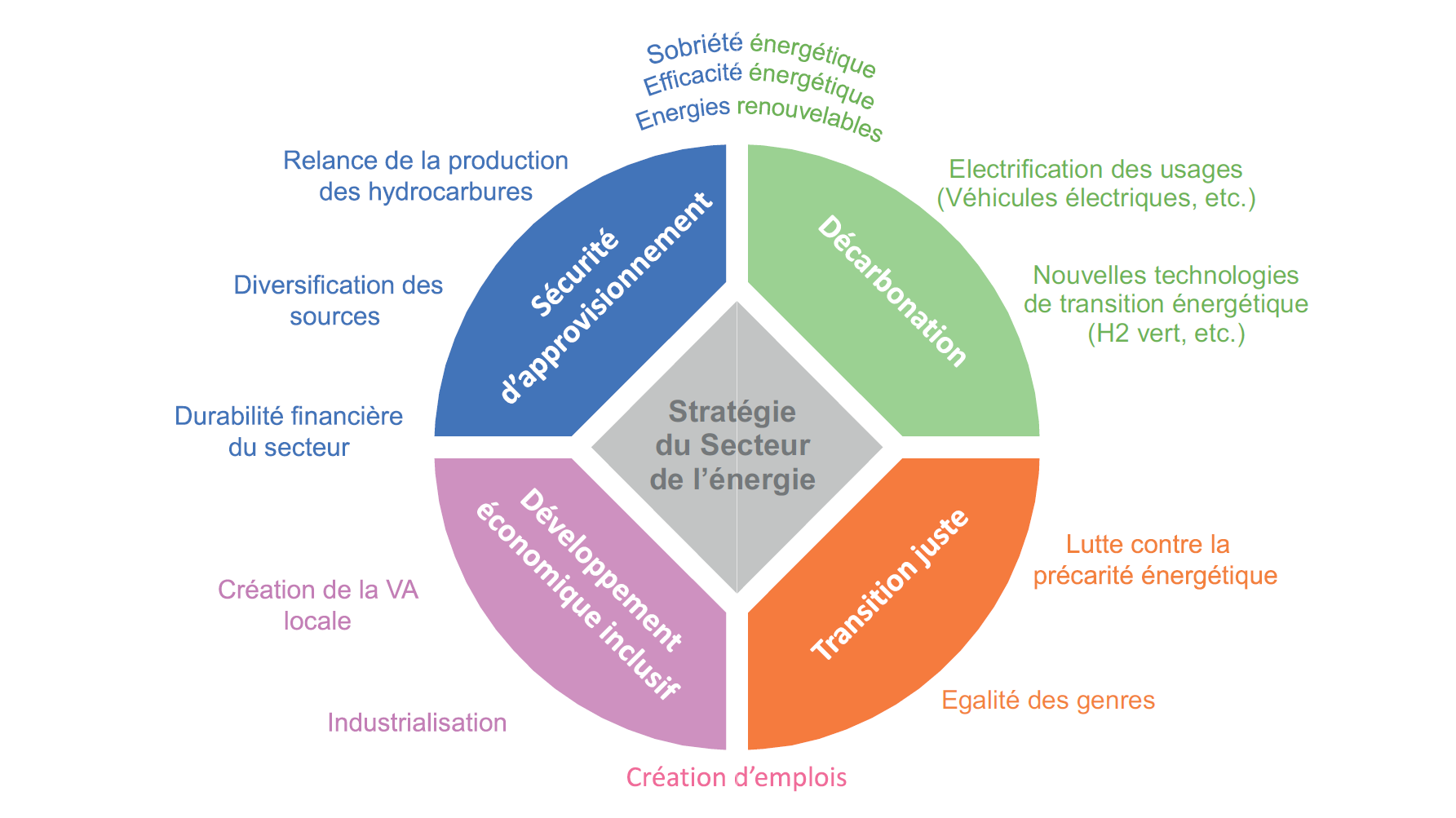
Tunisia has substantial wind and solar potential to reduce greenhouse gas emissions, decrease dependence on energy imports, and create jobs. Harnessing this potential requires not only sound technical solutions, but also strong institutions, skilled professionals, and effective coordination across the energy sector.
SKAT evaluated the four‑year project “Promotion of an Accelerated Tunisian Energy Transition (TETA)”, implemented by the German Gesellschaft für Internationale Zusammenarbeit (GIZ). The evaluation assessed the project’s coherence, relevance, efficiency, effectiveness, impact, and sustainability, providing independent evidence-based feedback at a critical point in the implementation of Tunisia’s energy transition strategy.
As an essential part of understanding how institutional capacity building contributes to long‑term impact, the evaluation highlighted key areas for strengthening the project’s effectiveness. Recommendations included better integration of energy topics into training institutions, organisational support to limit brain drain, stronger involvement of professional associations, and a clearer focus on job creation to ensure a socially just energy transition.
Drawing on longstanding experience in evaluating complex energy and governance projects, SKAT conducted in‑depth stakeholder interviews, applied Theory of Change and efficiency analyses, and validated findings through workshops with national institutions and sector actors. Through this we not only supported accountability and transparency but also generated practical recommendations to guide adaptive project management and inform future energy transition initiatives in Tunisia.