





filter


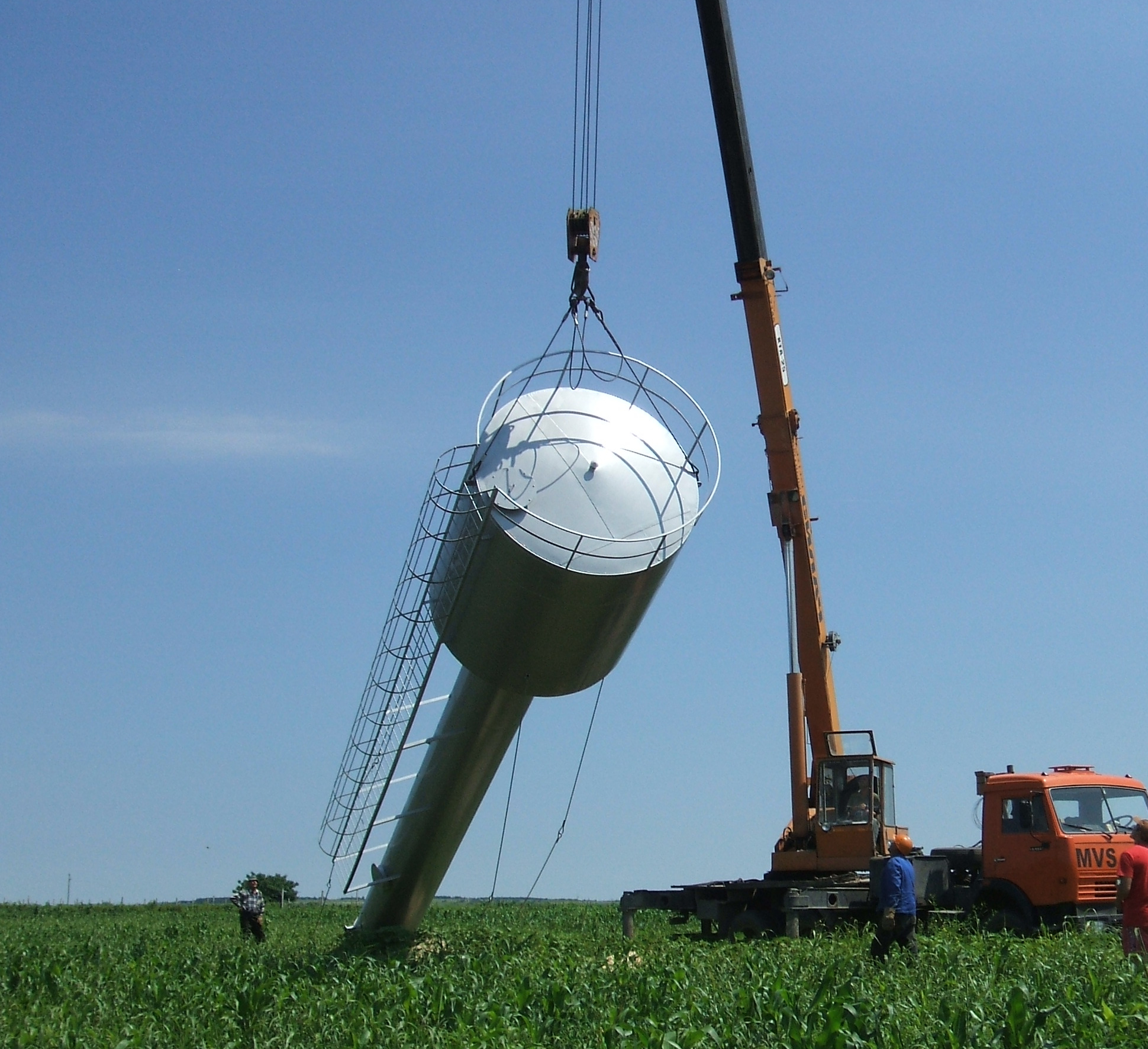
Consulting and support of the feasibility study for the identification and planning of small hydropower plants in the water infrastructure of Gorski Kotar (Croatia)
Switzerland is supporting programs in selected EU member states until 2029. One of these 13 EU member states is Croatia, where Switzerland is co-financing a CHF 23 million program to renovate and expand the wastewater and water supply system in the Gorski Kotar Mountain region. To achieve a more resource and energy efficient operation of the water infrastructure, small hydropower plants are to be integrated.
As a subcontractor of the Swiss Small Hydro Association, SKAT is involved in the feasibility study for the identification of suitable locations and the planning of small hydropower plants in Gorski Kotar. In addition, practice-oriented training courses are offered for Croatian water and wastewater experts.
Swiss Small Hydro (SSH) Association, on behalf of Swiss State Secretariat for Economic Affairs (SECO)
Central project evaluation of the project “Promotion of an accelerated Tunisian energy transition TETA”
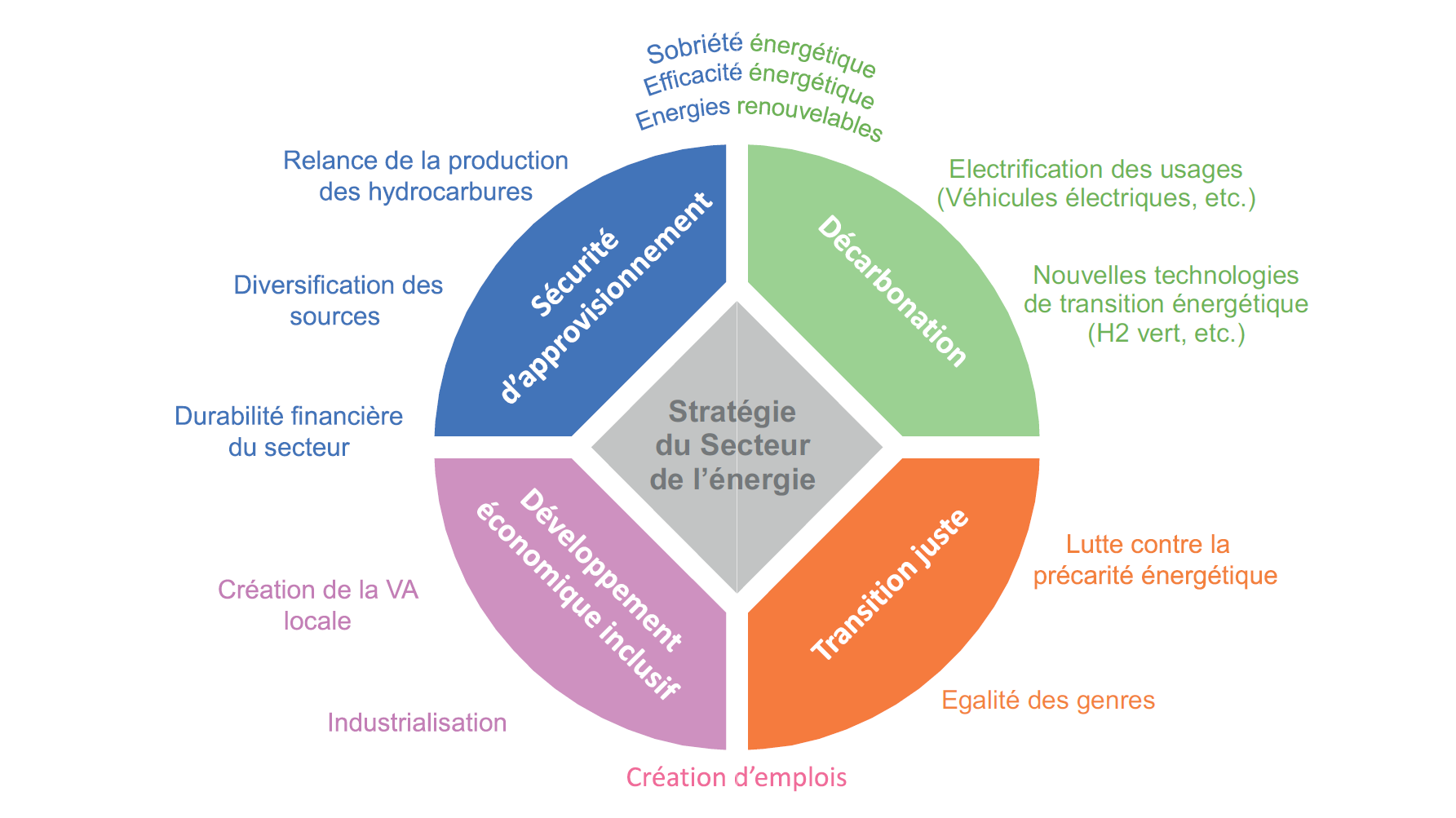
Subject to this evaluation is the “Promotion of an accelerated Tunisian energy transition TETA” (12 million Euro, Feb 2022 – Jan 2026). In Tunisia, electricity is generated almost exclusively by burning natural gas, more than half of which is imported. This dependence poses a threat to energy security and is a drain on the national budget. At the same time, energy efficiency (EE) and renewable energy (RE) have enormous potential in Tunisia. The country’s energy transition strategy will reduce primary energy demand to decrease by around 30 % and to generate 35 % of its electricity from RE by 2030. In addition, greenhouse gas emissions are to be reduced by 45 % compared to 2010, with the target of climate neutrality by 2050. This will protect Tunisia from rising energy prices, reduce the burden on the national budget and promote value creation and employment. However, the implementation of the energy transition strategy is being delayed by slow and complex procedures. The project aims to 1) strengthen strategic and reglementary capacities at the Ministry, 2) strengthen capacities at the National Energy Agency, 3) improve access of private sector actors to information and trainings to improve competences for planning, installation and maintenance of EE and RE systems, 4) enhance capacities of public institutions in the energy sector to handle innovative approaches for a more flexible power system ensuring stable grid operation with increasing shares of RE.
Deutsche Gesellschaft für Internationale Zusammenarbeit (GIZ)
Backstopping of the Roma Settlement Component: SORAE-Project (Social Justice for Roma, Ashkali and Egyptians) and previous project cycles
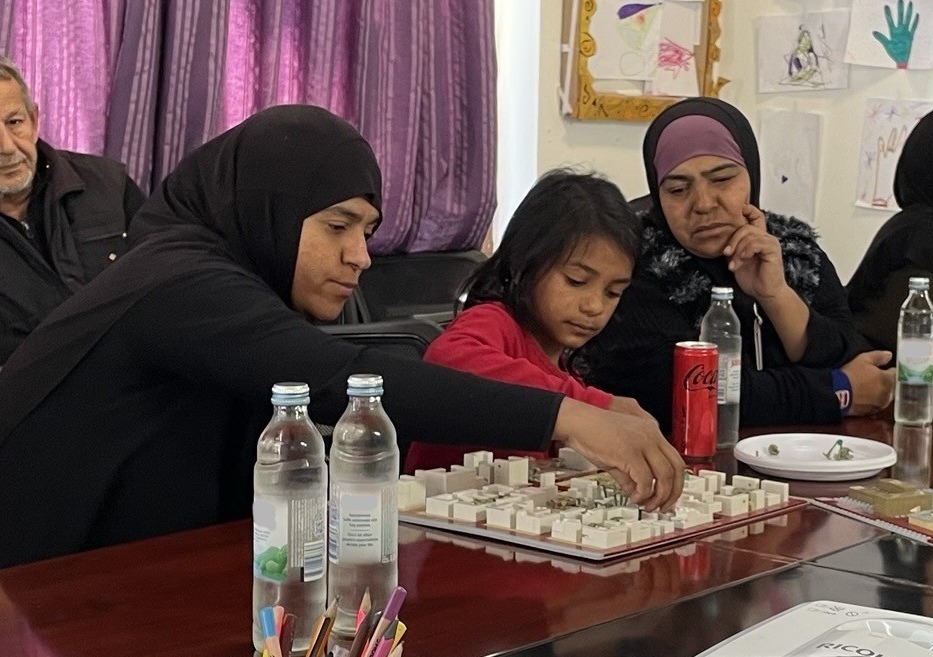
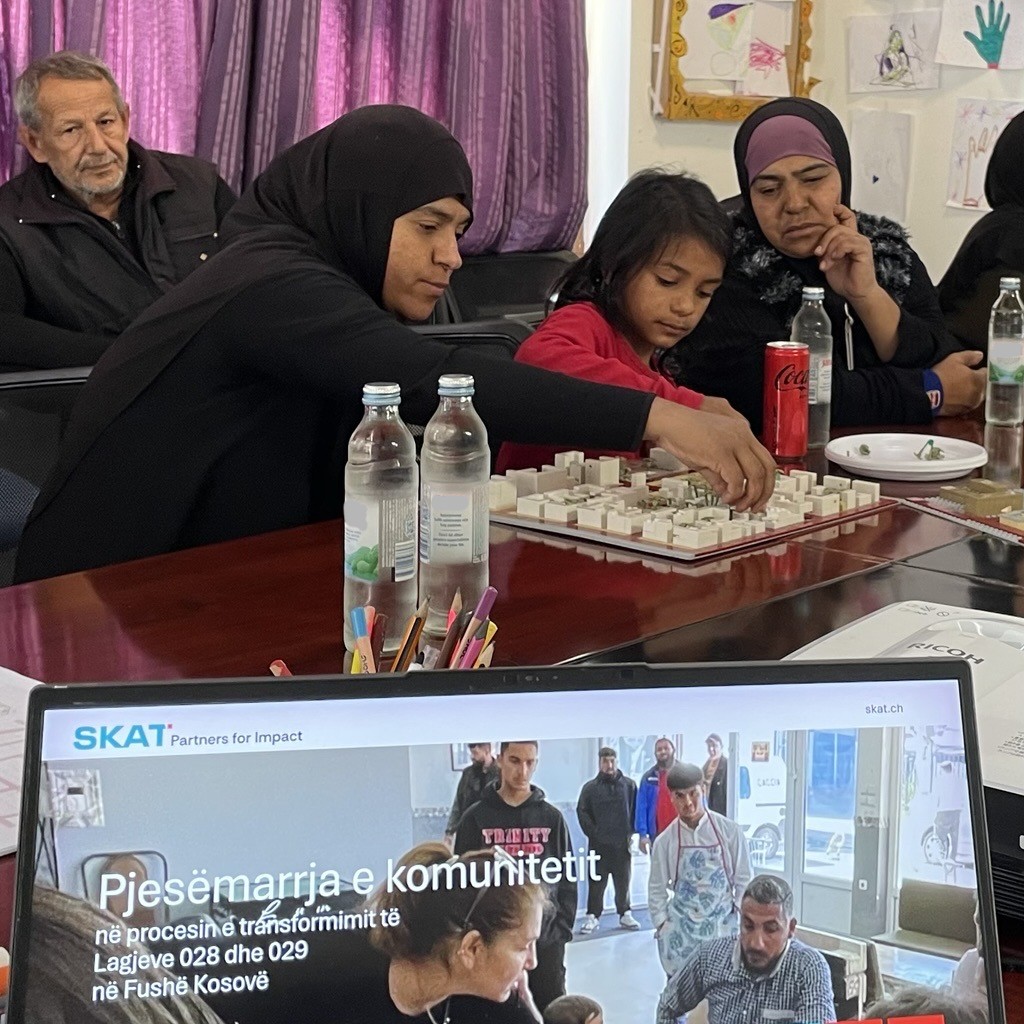
National and local authorities and the communities in informal settlements (mainly ethnic Roma minorities) are supported to improve housing conditions for low-income families, to develop adequate social housing solutions and to desegregate Roma-Mahalas and to facilitate access to public services, infrastructure, formal land titles and job opportunities.
Background
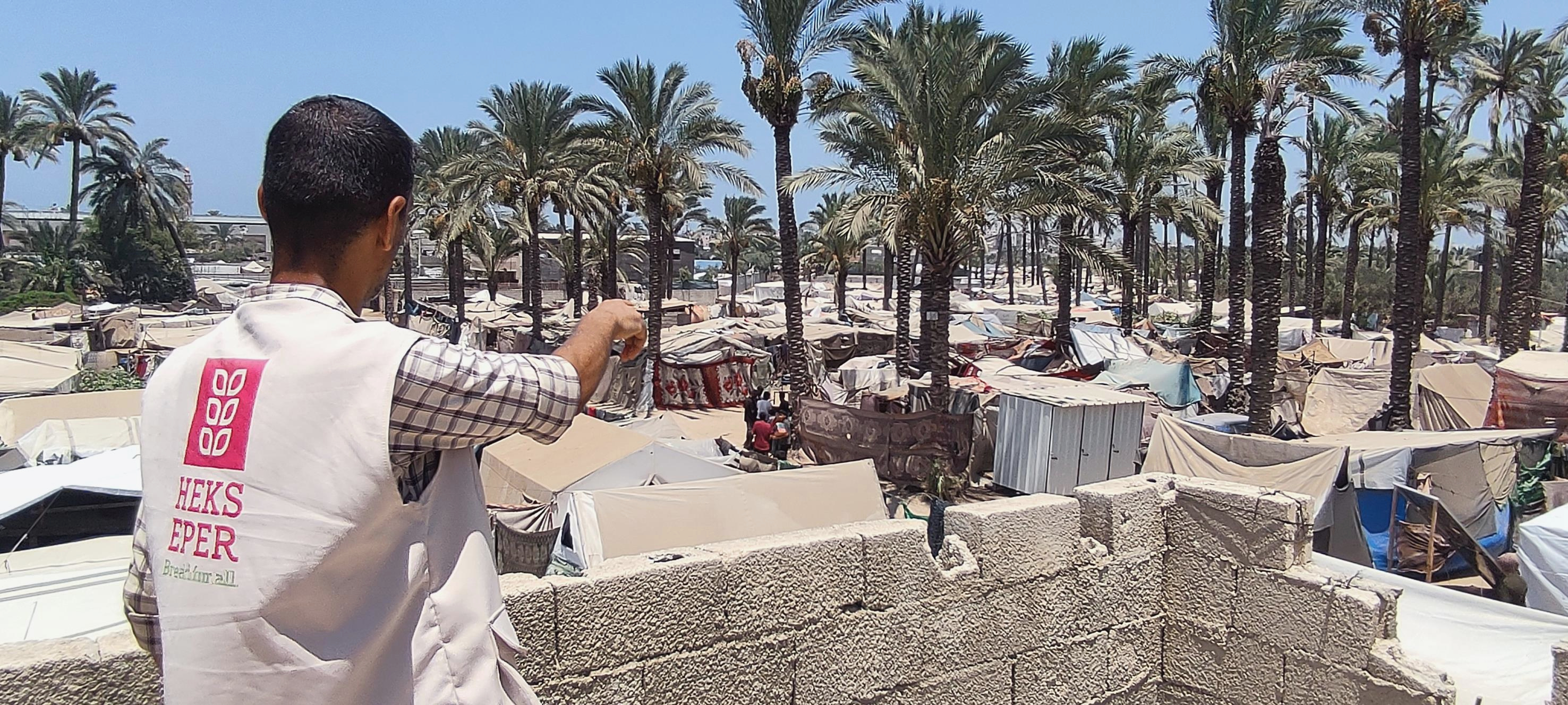
The Swiss aid organisation HEKS and the Swiss Agency for Development and Cooperation SDC and the local NGO partners VoRAE and EHO are spearheading the improvement of housing conditions of the Balkan’s ethnic minorities (especially the Roma), since the end of the Yugoslav wars. The joint efforts, expanded over several countries and is currently focusing on Kosovo. Skat supports the project since 2008 with expertise on participatory settlement development and affordable housing.
Objective of the project:
To improve the living conditions and social inclusion of ethnic minorities (mainly Roma) by
· Introducing of strategies for inclusive upgrading, transformation and desegregation of informal/substandard neighbourhoods to national and municipal housing and urbanisation and housing policies
· Building of capacities among the Roma community and municipal officers
· Piloting participatory settlement upgrading processes and adequate affordable housing and settlement transformation
These objectives are part of a larger programme for social inclusion of the Roma community, that includes legal and educational outcomes, which Skat did not actively support.
HEKS/EPER Swiss Church Aid
Green and Cost-Effective Urban Housing Supply in Tanzania & Zanzibar
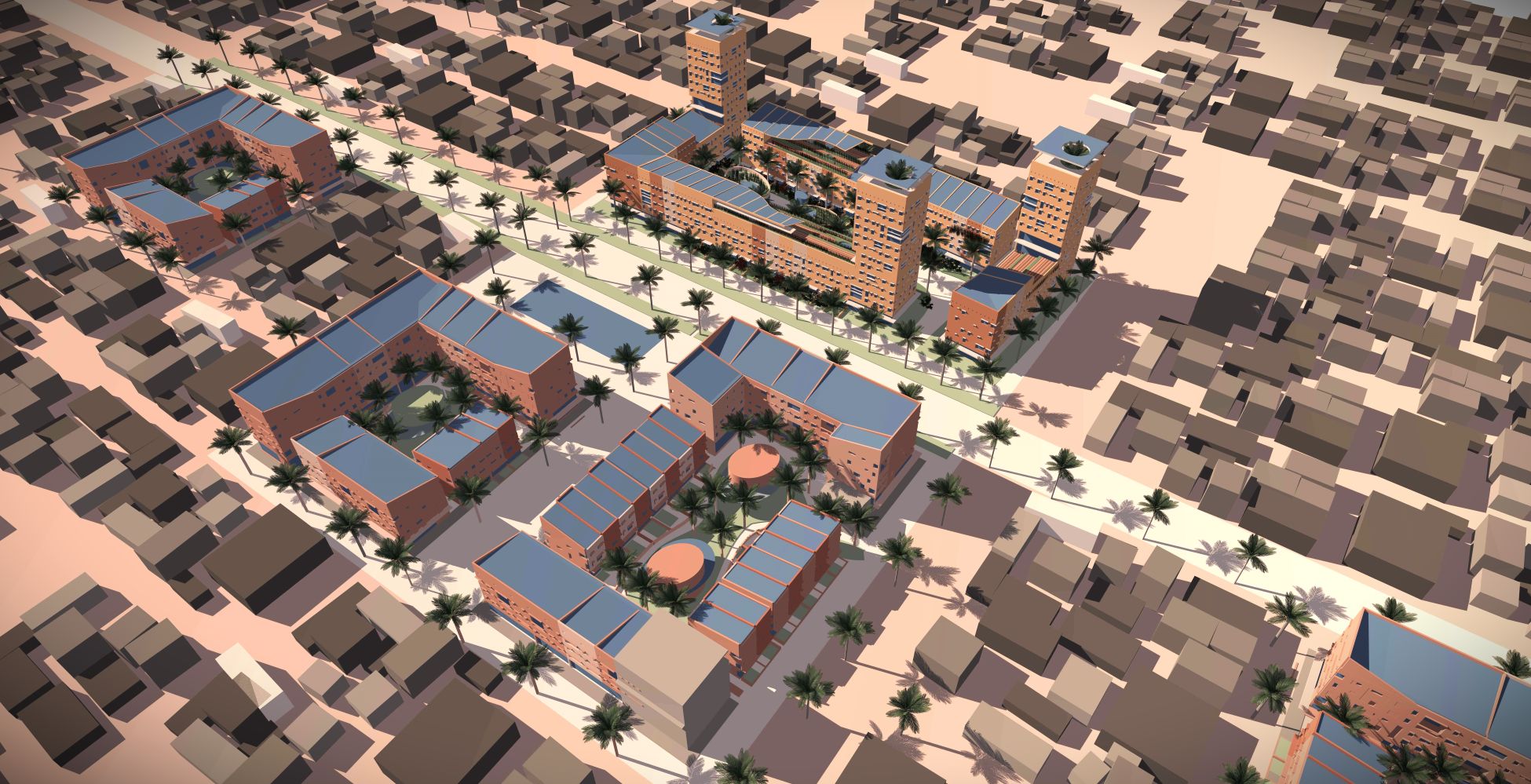
The objective of the project is to pilot and demonstrate a decarbonised affordable housing supply chain in the Dar-Zanzibar region.
REPIC, National Housing Cooperation, HMCI Properties Ltd
UN Habitat, Swisstopo, Southpole, CRAterre, Greentech (India), MinEnergy Nepal
Swiss Water Partnership
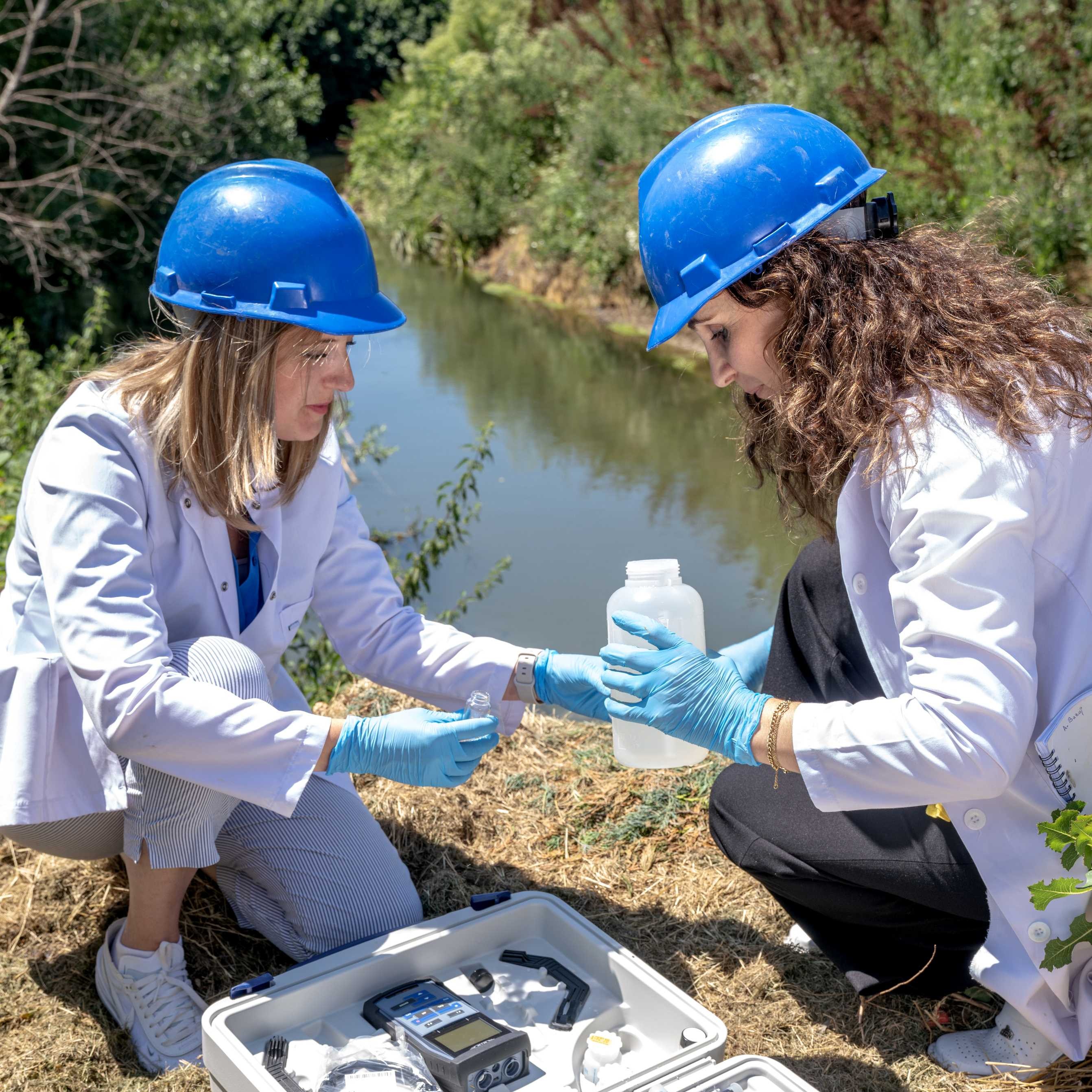
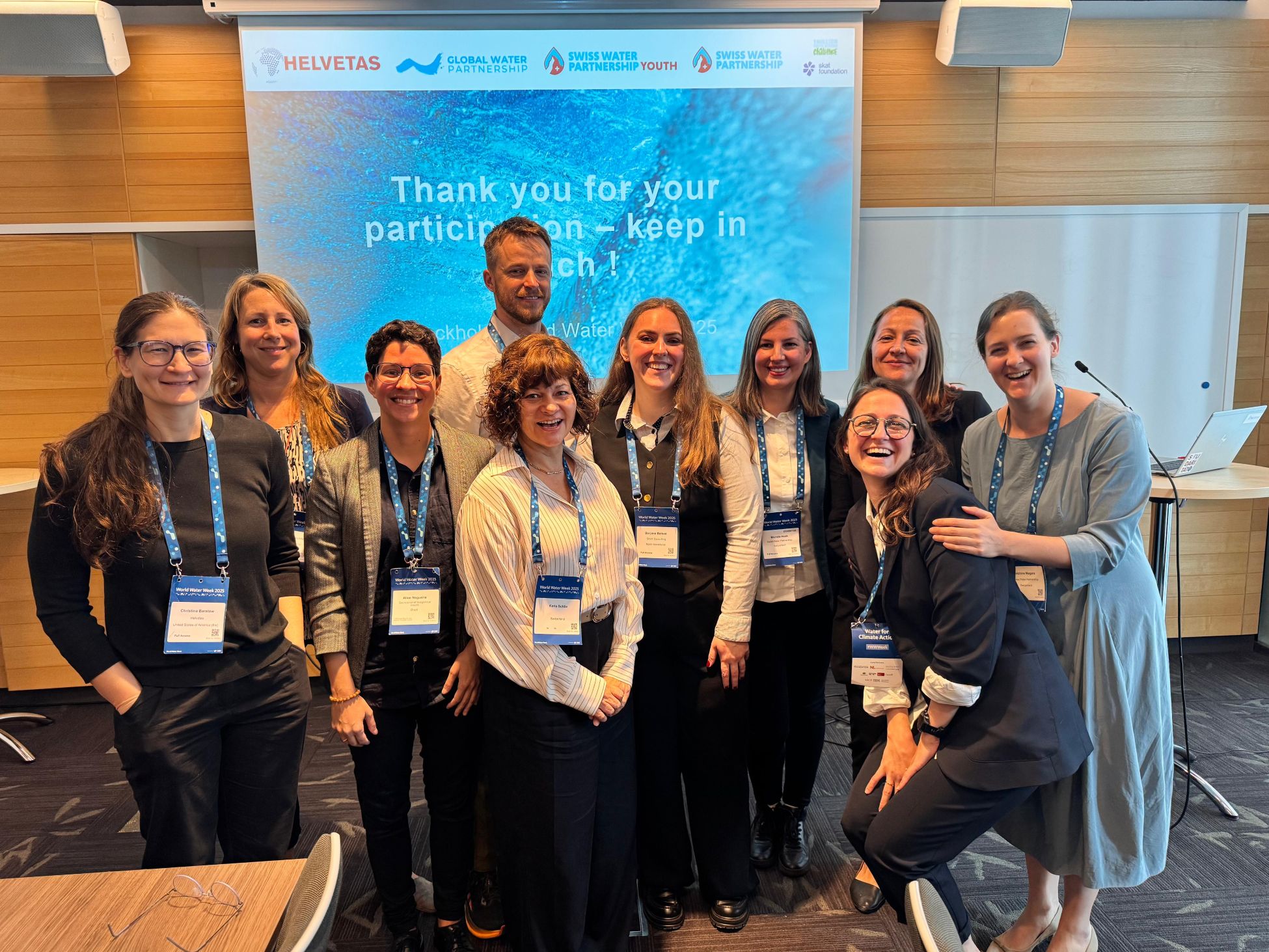
The Swiss Water Partnership (SWP) is a formal multi-stakeholder platform bringing together around 70 Swiss organisations from academia, civil society, public and private sectors, with the goal to contribute to solving global water challenges by developing and implementing innovative solutions for water challenges in developing and transition countries. Its vision is to be a globally recognized Swiss platform of high-quality transdisciplinary water solutions.
Since its launch in 2012, Skat Consulting is an essential part of the SWP Secretariat. We support the management of the SWP by ensuring implementation of the SWP action plan by establishing partnerships for collaboration, managing events, communication and supporting customer acquisition & retention as well as facilitating steering board meetings and general assemblies.
As the Secretariat’s Youth Focal Point, SKAT leads the SWP’s branch dedicated to young people (SWP Youth). This includes the management of a global youth community of over 500 members and partners, coordinating online and in-person capacity building programmes as well as networking and mentorship initiatives with the goal to enable and encourage youth up to 31 y/o to build a career in water. SC also supports the steering committee in developing an updated strategy for youth empowerment.
Swiss Water Partnership / Helvetas
Helvetas
Sustainable Reconstruction Demonstration project - Preparatory Phase I
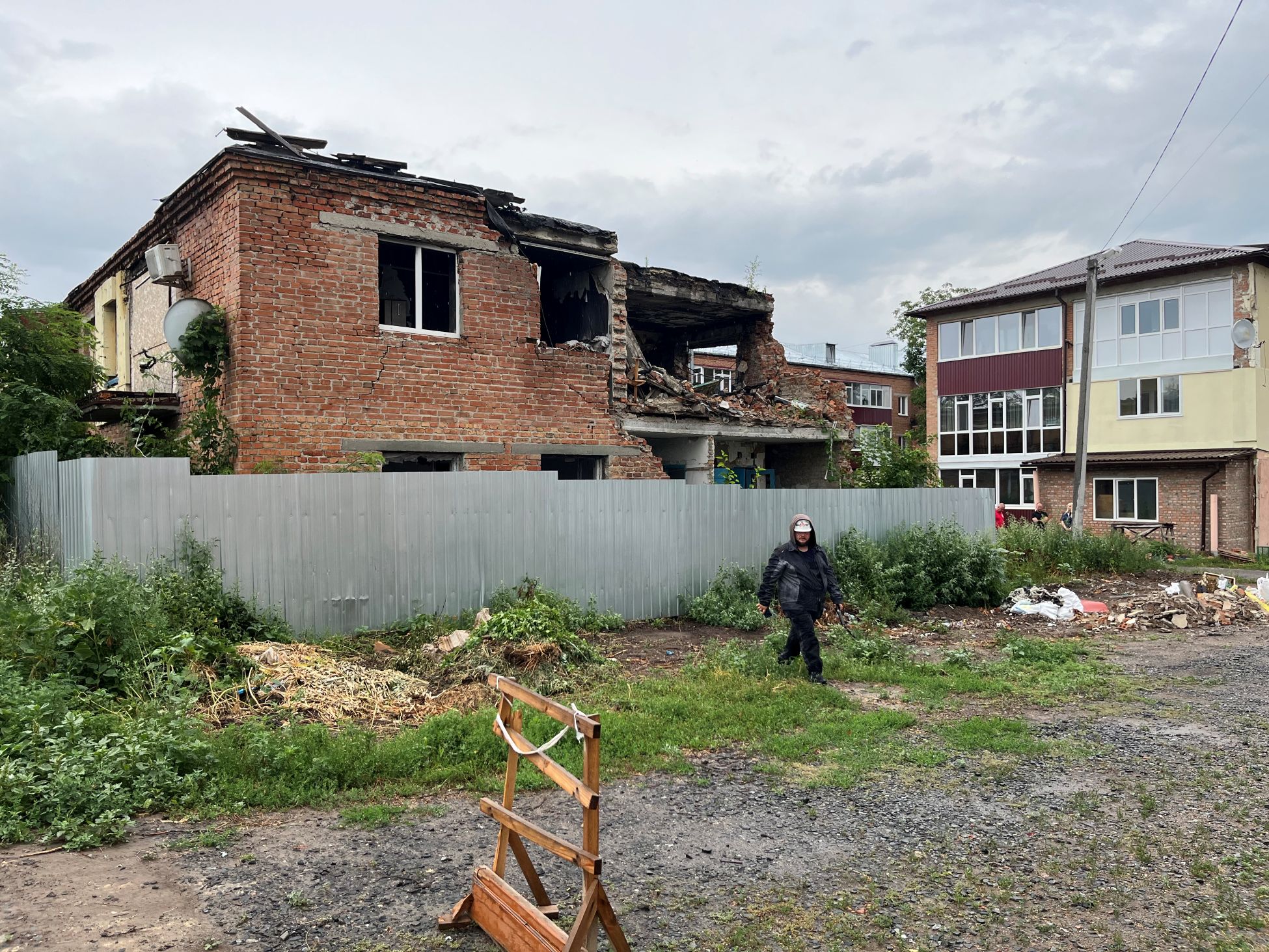
The Sustainable Reconstruction Demonstration Project in Ukraine aims to identify and prepare a pilot renovation of a conflict-damaged public building, focusing on energy and material efficiency. This initiative responds to the urgent need for reconstruction while aligning with broader environmental and development goals of Ukraine. As part of SDC’s 2025–2028 Ukraine programme, the project embraces a “build back better” approach, supporting both humanitarian relief and sustainable development. During the preparatory phase (Phase I), Skat together with HEKS/EPER assessed and shortlisted suitable buildings based on predefined criteria, conducted architectural assessments, and developed a preliminary scope of work and cost estimates. The project also evaluated supply chains for reused construction materials. A key outcome is the selection of one building for a detailed Phase II proposal. Skat’s role included project management and technical coordination, with the broader goal of promoting the replication of sustainable reconstruction practices in Ukraine.
SDC(Program funding by Swiss Development Cooperation)
HEKS/EPER

Support mandate of Project evaluation Global Environment Facility (GEF)
This mandate provides technical expertise to support the Swiss constituency in the Global Environment Facility (GEF) Executive Council. The service ensures that key GEF projects and programs across all focal areas (climate, biodiversity, desertification, chemicals, international waters) are reviewed by additional specialists with international environmental project knowledge, enabling the Swiss delegation to contribute to high-quality GEF initiatives through informed assessments and positions.
Bundesamt für Umwelt BAFU
INFRAS AG (the lead organisation and Skat serving as partner in this case)
SDC Backstopping Mandate for Water
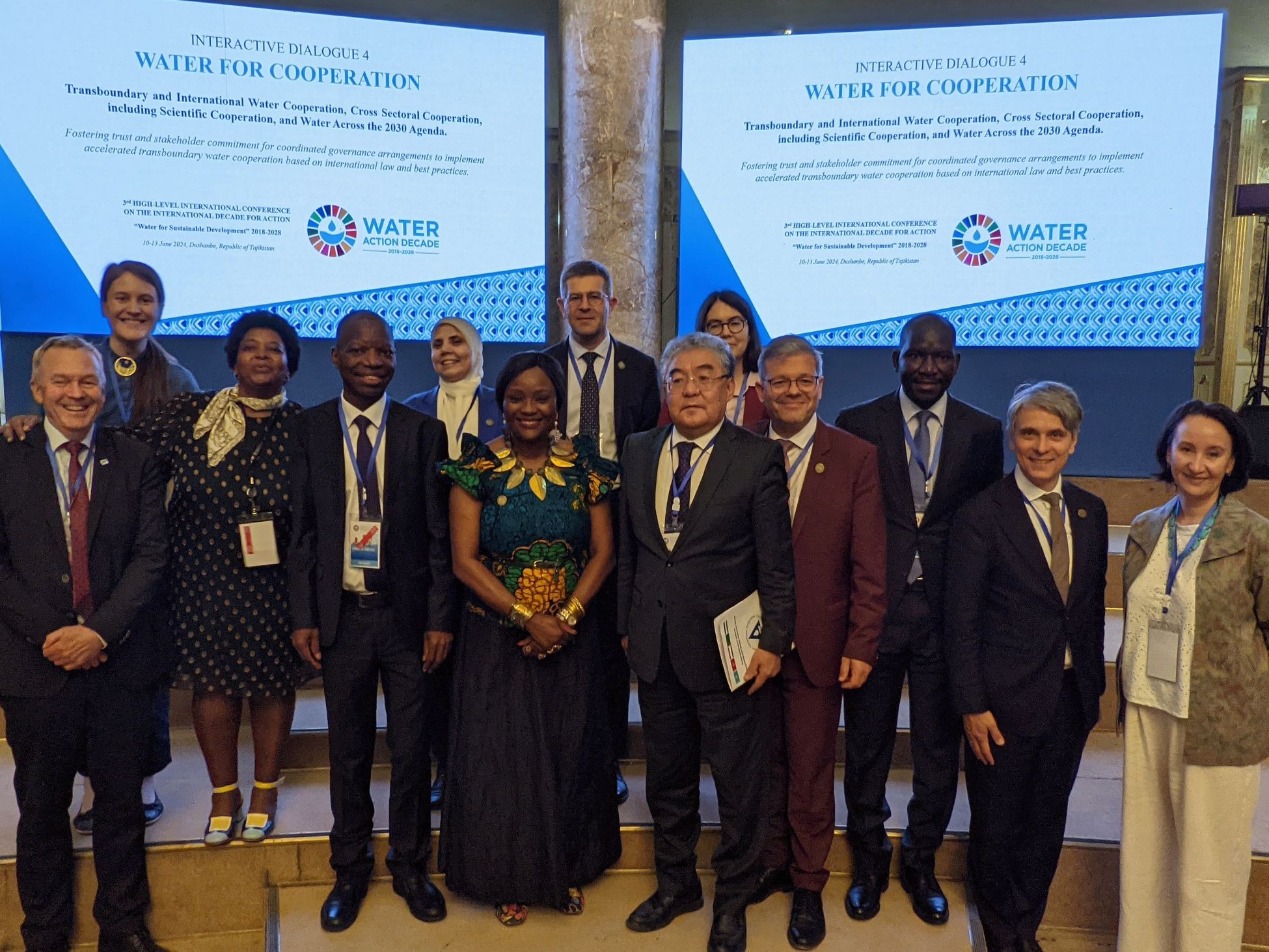
Through SDC's global programmes, Switzerland aims to establish universally recognised standards helping to resolve global challenges at the core of sustainable development. Against this backdrop, the Section Water (SW, former Global Programme Water - GPW) contributes to the reduction of global water-related risks and the realisation of a water-secure world. The SW acts as bridge builder, positions water issues on the international agenda, and harnesses Swiss expertise to ensure availability and sustainable management of water and sanitation for all: it triggers policy changes on all levels and influences the international normative framework as well as practices.
Swiss Agency for Development and Cooperation (SDC)
HELVETAS Swiss IntercooperationZoï Environment Network

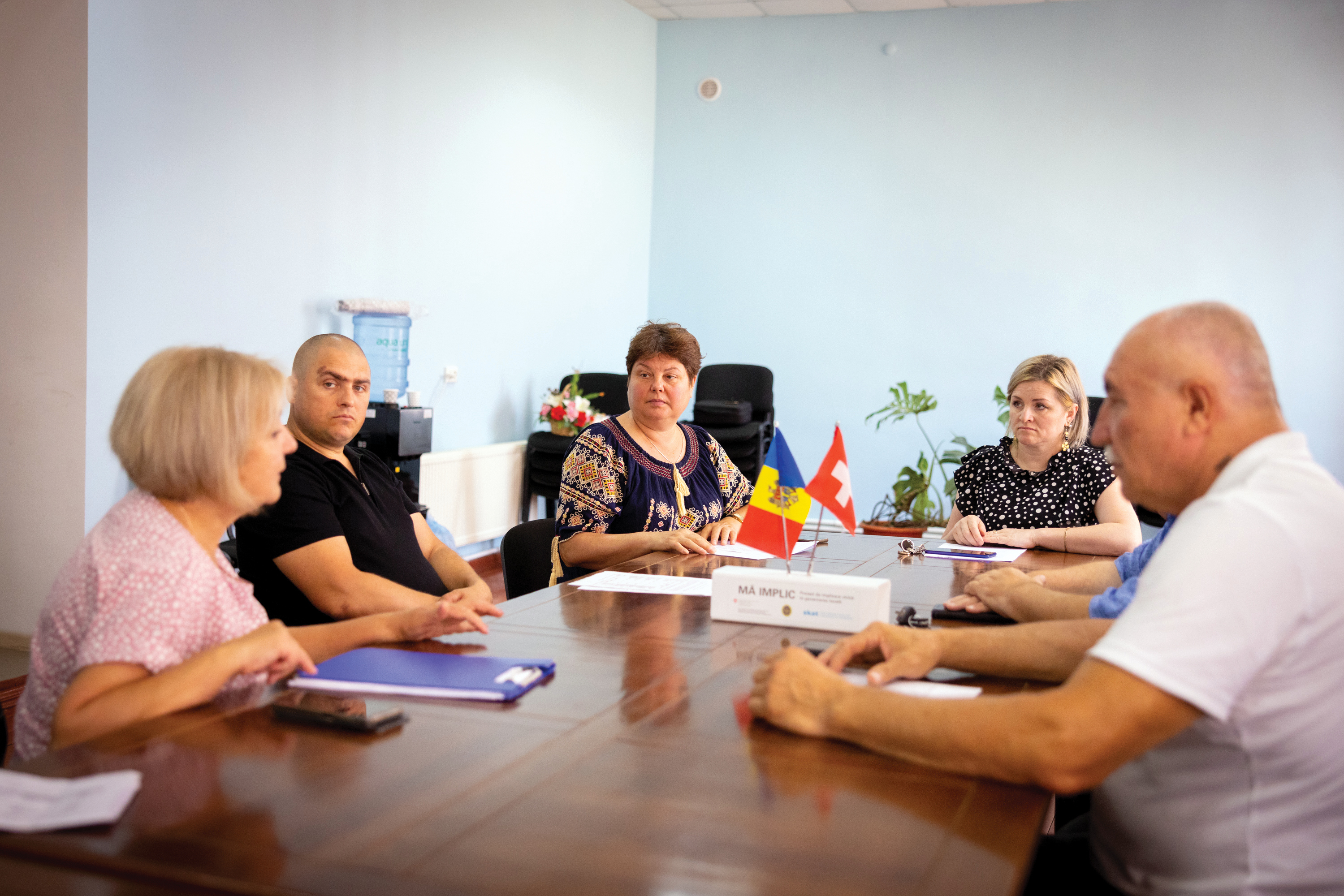
MĂ IMPLIC – I engage: Project on civic engagement in local governance
The overall project goal of MĂ IMPLIC Phase 2 is to ensure that “the population of Moldova benefits from improved local governance and better access and quality of public services (such as water supply, sanitation, waste management and public lighting).” To this end, the project supports different stakeholders to improve three fundamental dimensions of a well-functioning local government unit:
Outcome 1: Partner Local Public Administration (LPA) groups manage resources and local development in a more sustainable, inclusive and accountable way.
Outcome 2: The Government promotes and coordinates local governance reform in an efficient, effective and transparent manner.
Outcome 3: People in partner communities meaningfully engage in local governance processes and influence the provision of local public services.
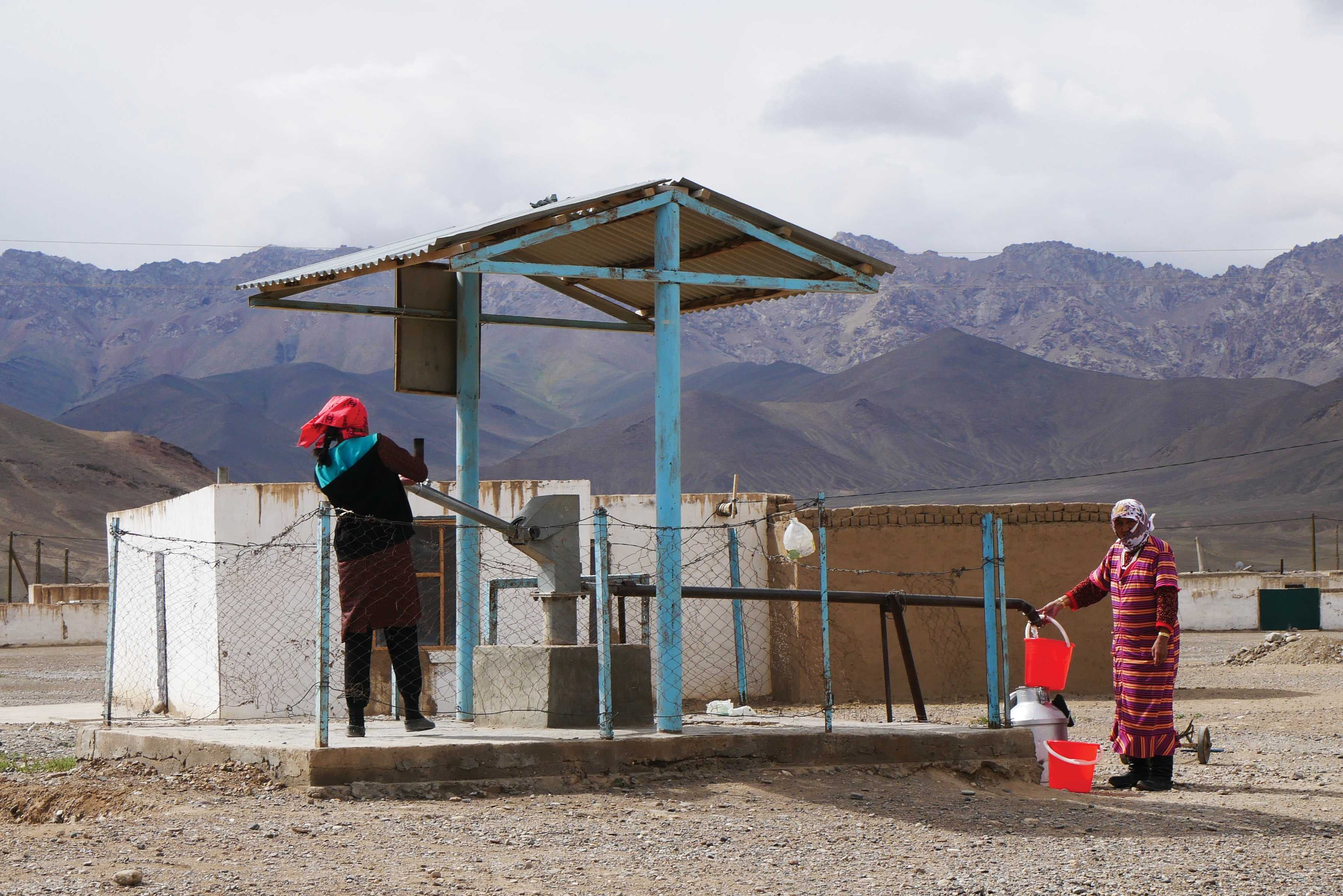
EnEff and ApaNeff: These additional credits focus on improving energy efficiency and water supply systems in rural areas of Moldova. The energy efficiency component enhances energy performance in houses and public buildings, including through information and capacity-building measures, while the water supply component strengthens rural water supply systems and integrates sustainable energy measures to improve resource management and access to clean water.
Swiss Agency for Development and Cooperation (SDC)
Integrated Water Resources Management in Kosovo (IWRM-K) Program Phase 2
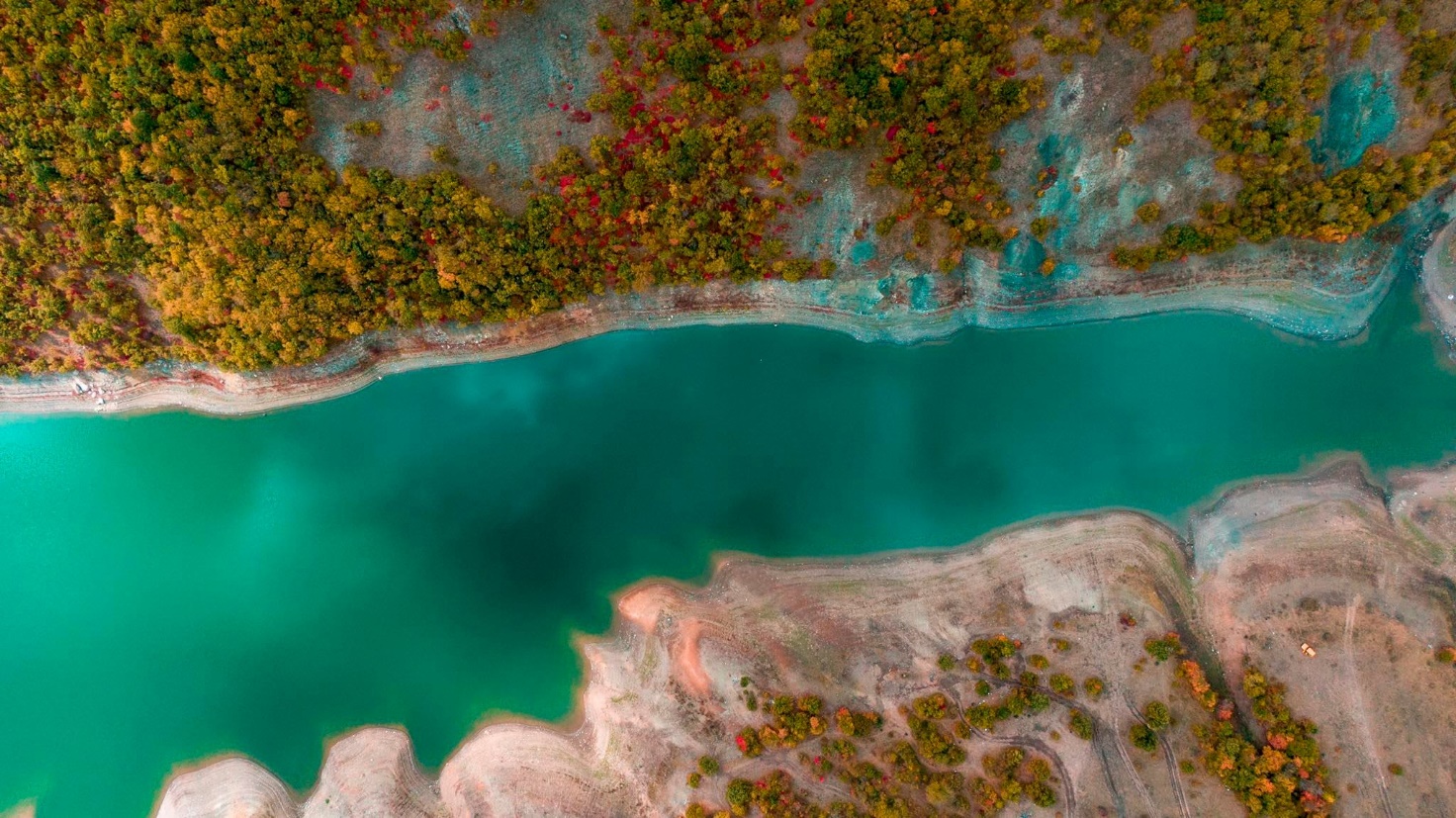
Launched in 2019, the Program aims at establishing over a twelve-year period a functional framework for the sustainable management, protection, and use of the water resources in Kosovo endowed with the necessary institutional capacities and people’s skills. Based on its performance in intervention design (inception phase) and the first phase of implementation, Skat in association with the Environment Agency Austria (EAA) is mandated to implement the subsequent Phase 2 of the IWRM-K Program. Under Skat lead and general management, the coming five years of the Program will deploy a demonstrational innovation, capacity strengthening and institutional development approach catalysing the framework, knowledge, processes, tools, and resources needed to achieve the objectives of the country’s River Basin Management Plans and their Programmes of Measures as key element shaping its sustainable water management agenda.
SDC – Swiss Cooperation Office in Kosovo
Associate: Environment Agency Austria (EAA)