



filter

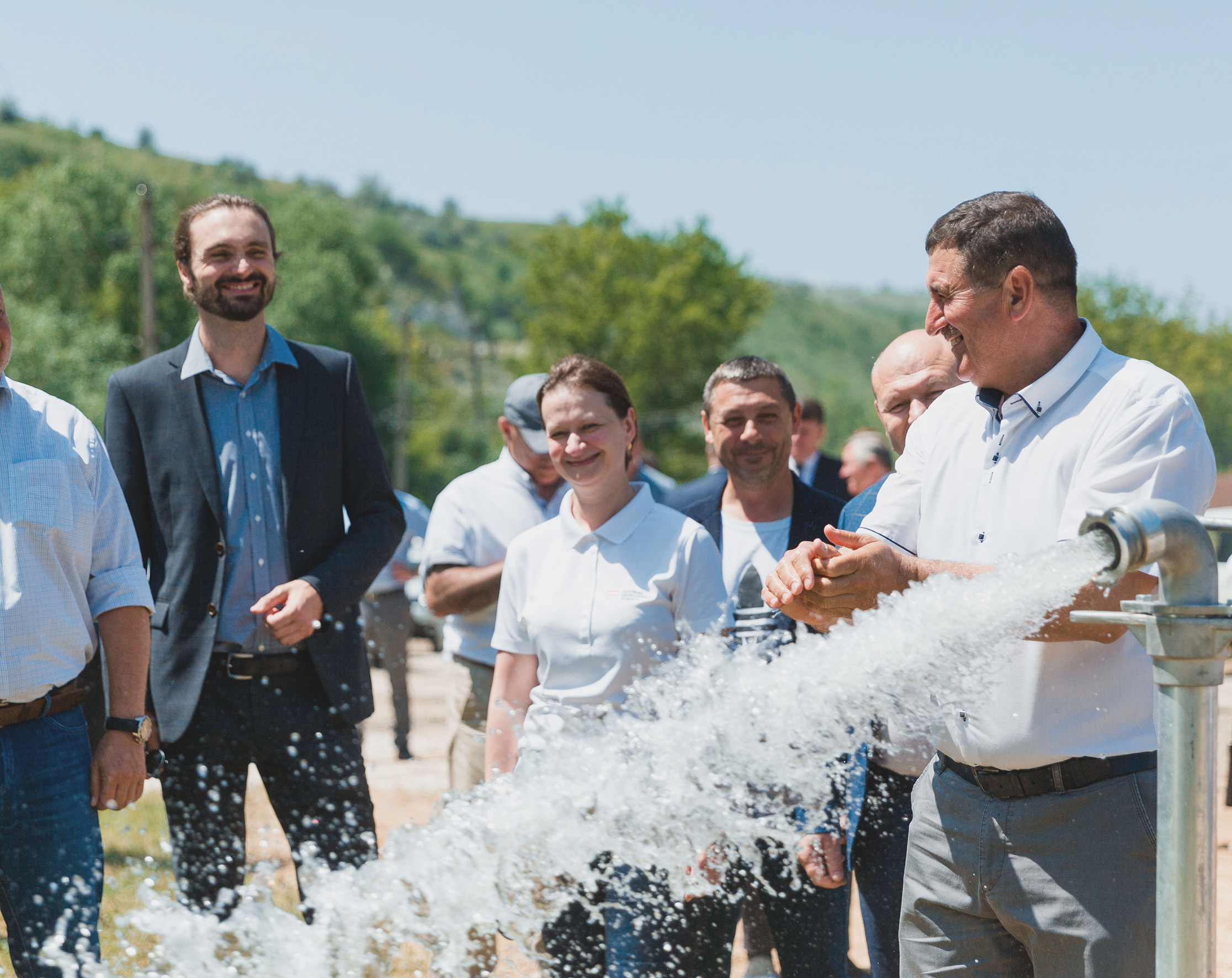
Integrated Water Supply and Sanitation in Moldovan villages (ApaSan28)
ApaSan28 builds on the success of its predecessors, ApaSan (2009–2019) and ApaSan+ (2020–2024), to tackle critical rural water and sanitation challenges in Moldova. The project focuses on improving access to safe drinking water and household sanitation through sustainable and decentralized solutions. It also aims to empower local authorities and regional operators to provide quality services while promoting the adoption of decentralized sanitation systems as a cost-effective and environmentally friendly option.With the goal of enhancing living conditions for rural populations, the project targets approximately 5–10 villages, benefiting over 10,000 people, including vulnerable groups. By constructing or rehabilitating water supply systems and piloting septic tanks with faecal sludge treatment, ApaSan28 serves as a scalable model for rural WASH (Water, Sanitation, and Hygiene) solutions. The project also aligns with Moldova's national development strategies and Sustainable Development Goals (SDGs), particularly SDG 6 for water and sanitation.
Austrian Development Agency (ADA)
Fundatia Centrul Moldo-Elvetian pentru Cooperare Skat

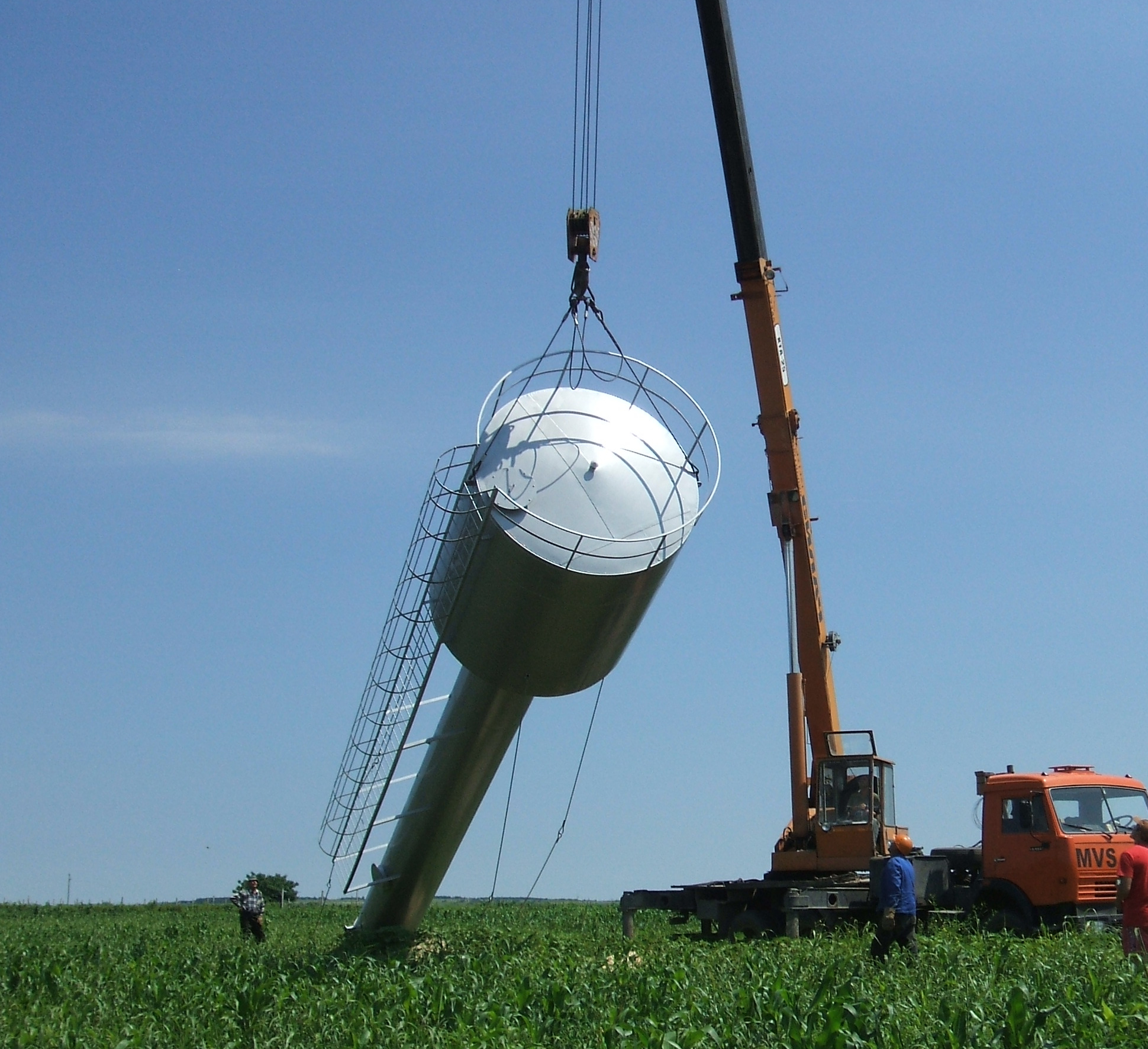
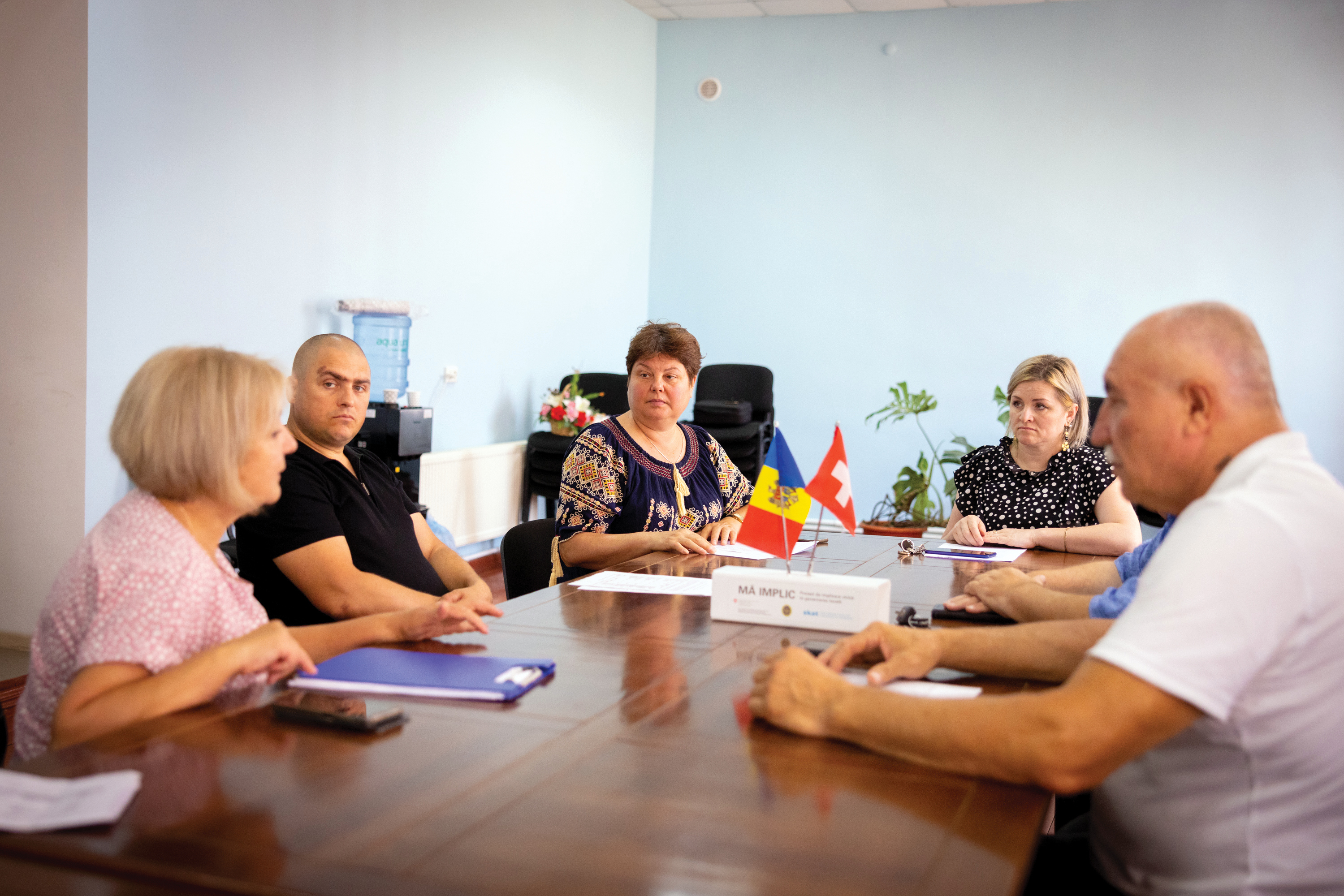
Improved water supply and energy efficiency in rural Moldova (ApaNeff)
The ApaNeff project is a collaborative initiative aimed at addressing critical water supply and energy efficiency needs in rural Moldova. The project focuses on enhancing water infrastructure, improving and energy efficiency for local public authorities and rural households and promote renewable energy solutions. Through technical expertise, capacity building, and tailored interventions, the project contributes to climate change mitigation and resilience and to improved living conditions for residents, ensuring long-term impact. This project is an extension (Additional Credit) of the "Ma Implic" Local Governance Project, Phase 2 (2023–2027).
Swiss Agency for Development and Cooperation (SDC)
Fundatia Centrul Moldo-Elvetian pentru Cooperare Skat
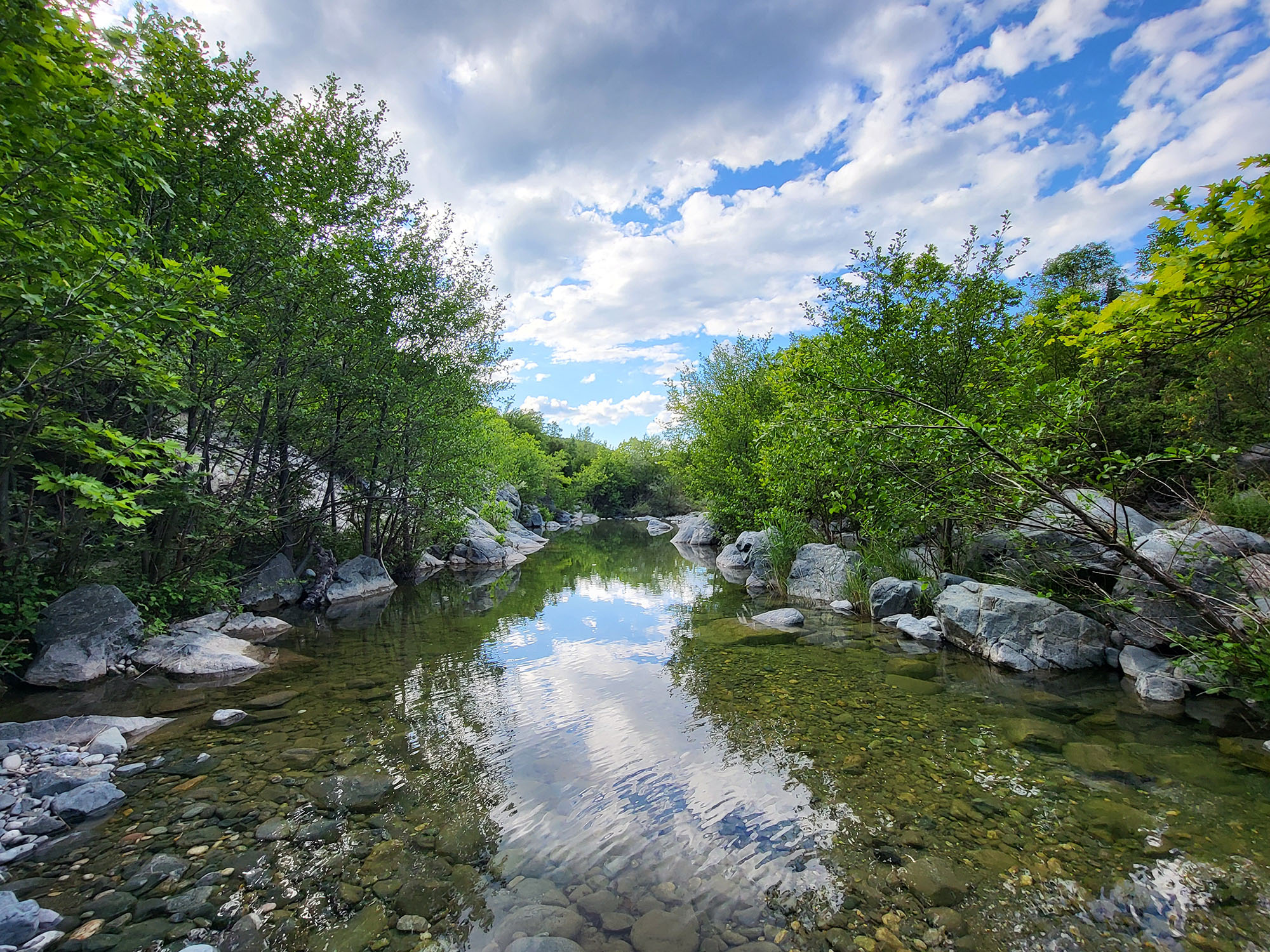
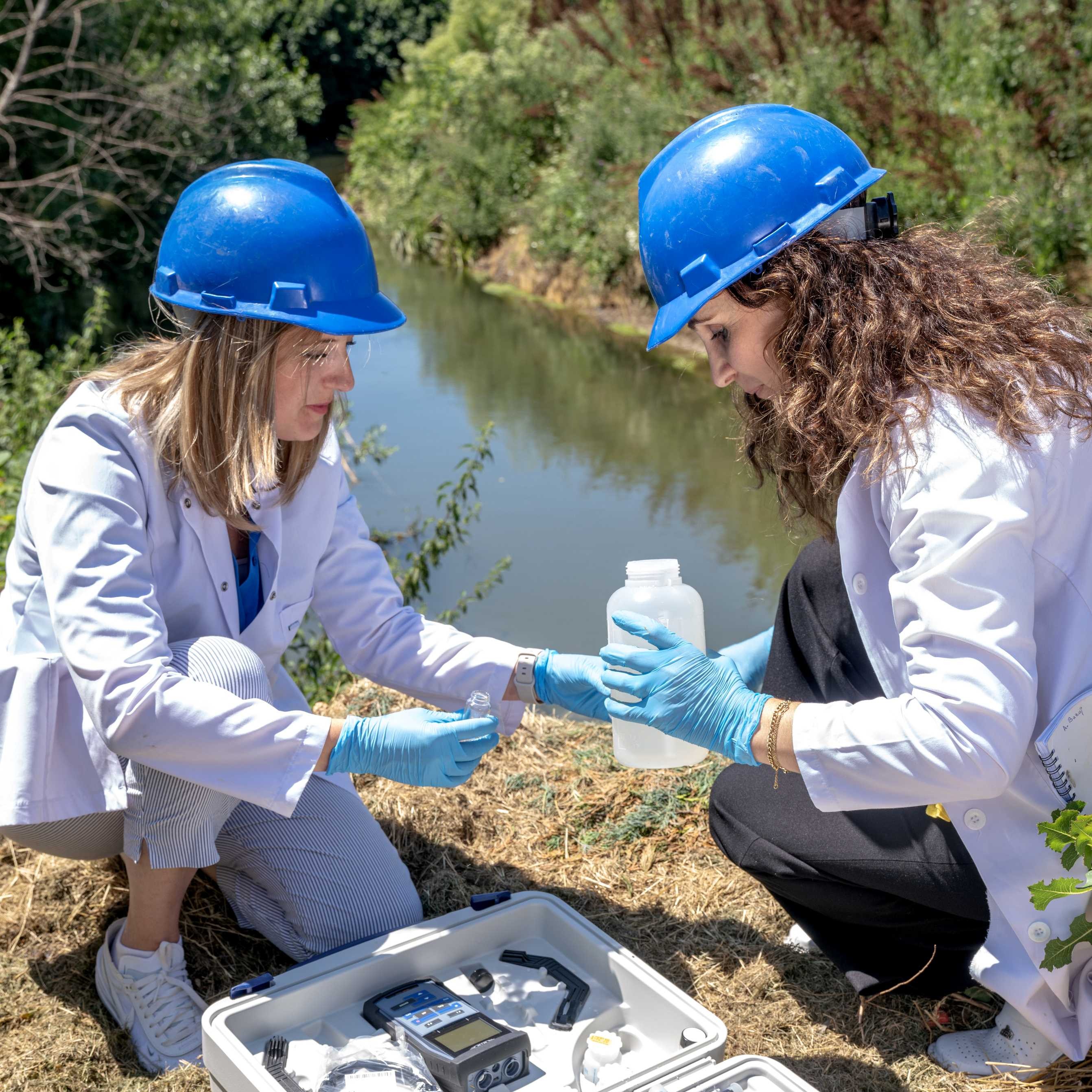
Groundwater Management, Use and Protection Programme (GWP) in North Macedonia – Phase 1
Although groundwater in North Macedonia is of high strategic importance (e.g. as source of 77% of the drinking water supply), it has not been recognised as such and is therefore not adequately used, managed and protected. The responsible institutions do not have sufficient and adequate capacity; there is a lack of background information, knowledge and tools for the protection, planning and monitoring of water resources and the legal framework is incomplete. In addition, low awareness of the status of water is reflected in low public pressure and weak mobilisation of the public and civil society on groundwater management issues.
The Swiss-funded Groundwater Management, Use and Protection Programme (GWP) aims to build long-lasting water governance capacities at national and local levels so that North Macedonia can take appropriate and effective actions to sustainably manage its water resources to achieve its social and economic development goals while avoiding irreversible degradation of its aquifer systems. The overall objective of the GWP is to strengthen relevant authorities and raise awareness among civil society to implement the provisions of an integrated framework coherent with the requirements of the EU environmental acquis for the sustainable management of water resources in a changing climate.
Phase 1 is designed to establish the basis for a long-term transformation of surface and groundwater management. The development of the Vardar River Basin Management Plan, covering about 80% of the total water bodies (68 out of 80 municipalities with around 86% of country population), will be used as the main tool, for capacity development of national and local institutions and awareness raising.
SDC – Embassy of Switzerland in North Macedonia
Ministry of Environment and Physical Planning (MoEPP)
Ministry of Agriculture, Forestry and Water Economy (MoAFWE)
Hydrometeorological Services (HMS)
Ministry of Health (MoH)
Ministry of Energy, Mining and Mineral Re-sources (MoEMMR)
Geological Survey (GS)
Civica Mobilitas
Association of the Units of Local Self-Government in North Macedonia (ZELS)
National Association of Providers of Communal Services (ADKOM)
Ohers: Academia, Civil Society Organisation, Large private and industry companies
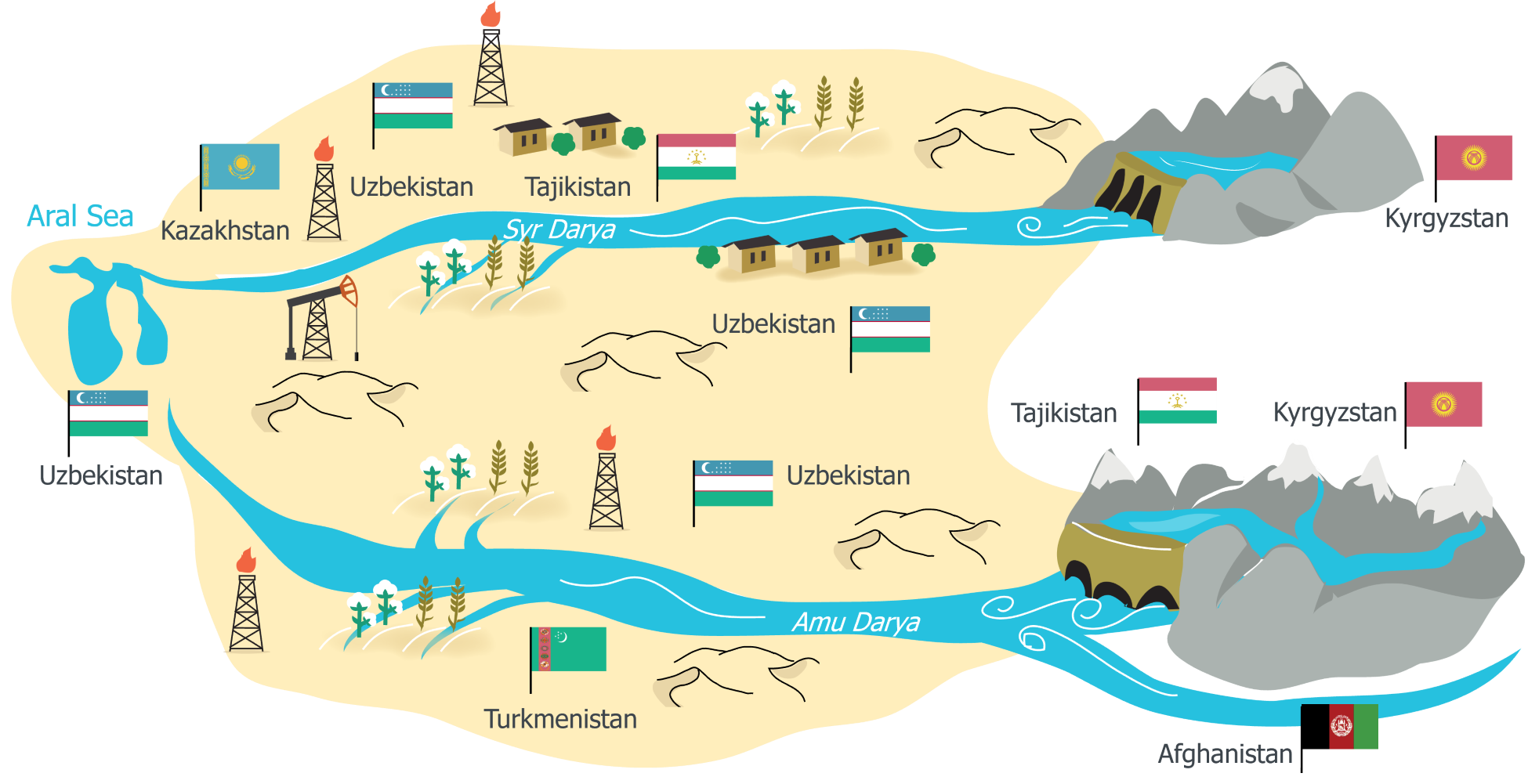
Facilitation of a Co-Creation Process towards a Regional Water Related Program in Central Asia
Switzerland has been promoting efficient water use, strengthening institutions, and fostering cross-border collaboration, particularly in its priority countries Kyrgyzstan, Tajikistan, and Uzbekistan in Central Asia for over two decades. The Swiss Cooperation Programme 2026-2029 will likely reaffirm Switzerland’s continued commitment to the region’s development pathways in the water domain. It will consolidate and build on important advances in the water sector made in the three countries while prioritizing high-impact initiatives that further Switzerland’s regional approach to address water management issues in Central Asia. A number of Swiss flagship initiatives in the region are coming to an end in 2026/2027 and a knowledge consolidation is required to serve as a foundation of the development of a new regional water-related program.
SDC – Embassy of Switzerland in Uzbekistan
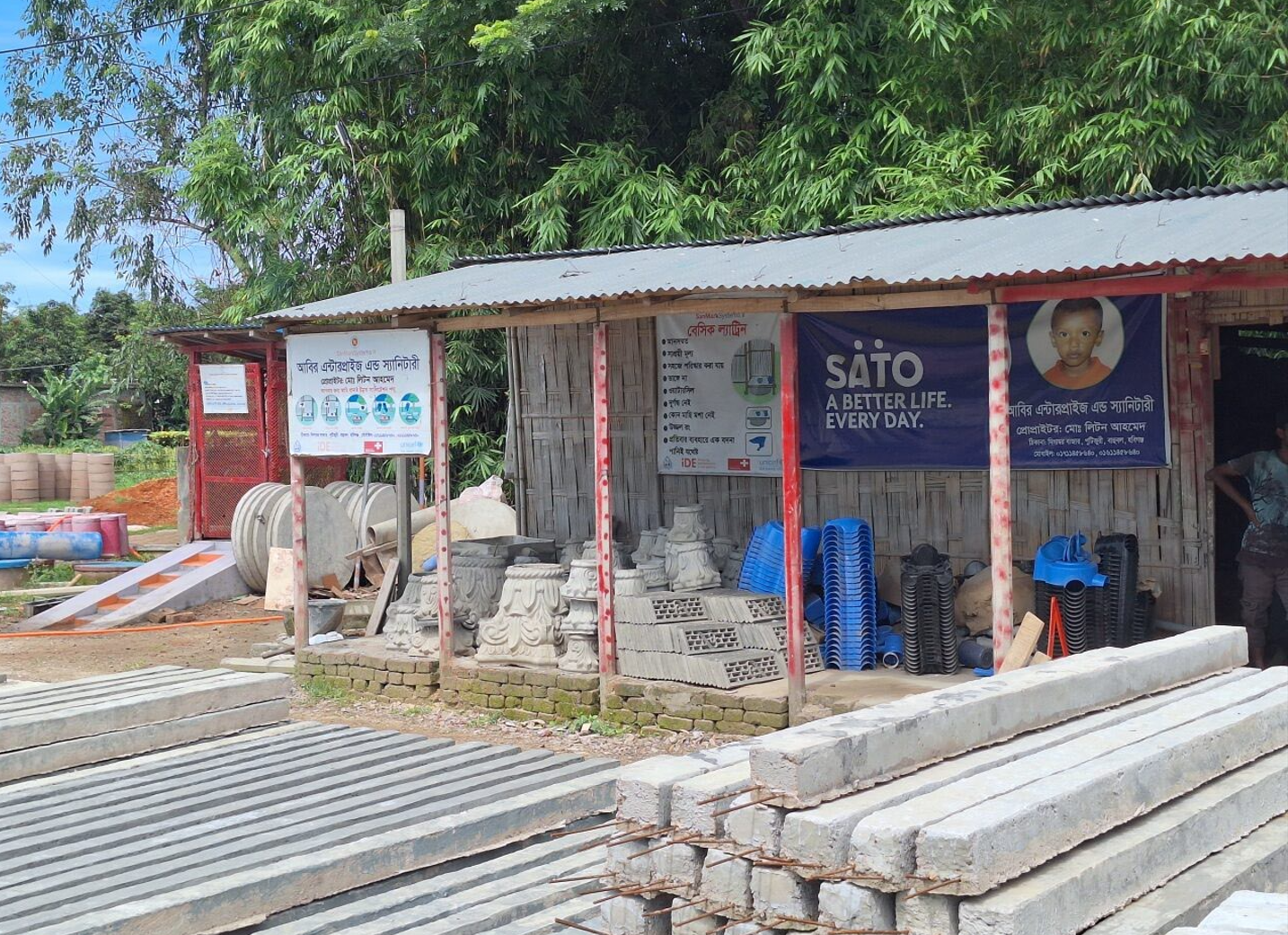
Final Evaluation of SanMarkS – 'Scaling up Sanitation Market Systems in Bangladesh' project (Phase-2)
The SanMarkS (Scaling up Sanitation Market Systems) project Phase-2, jointly funded by the Swiss Agency for Development and Cooperation (SDC) and UNICEF, aimed to scale up market-based sanitation solutions across Bangladesh with a total investment of CHF 16 million (Switzerland contributing CHF 6.0 million). Building on the successful Phase-1 (2015-2019) pilot that demonstrated market-led approaches in 6 districts, Phase-2 (2019-2025) expanded to 35 districts targeting 4.5 million rural people in 1.2 million households. The project applied a market systems development approach focusing on i) strengthening supply chains, through engagement with private sector from national scale lead firms producing components for latrines, to local latrine producers, ii) improving consumer demand, iii) and creating enabling environment through engagement with the government at various levels for conducive policy frameworks and smart subsidy mechanisms. As SDC contribution to SanMarkS ends by November 2025, the project will continue until 2027 under Government of Bangladesh and UNICEF. Hence a comprehensive evaluation was needed to assess overall performance, capture lessons learned and provide strategic recommendations for sustaining impact beyond Swiss involvement.
SDC – Embassy of Switzerland in Bangladesh
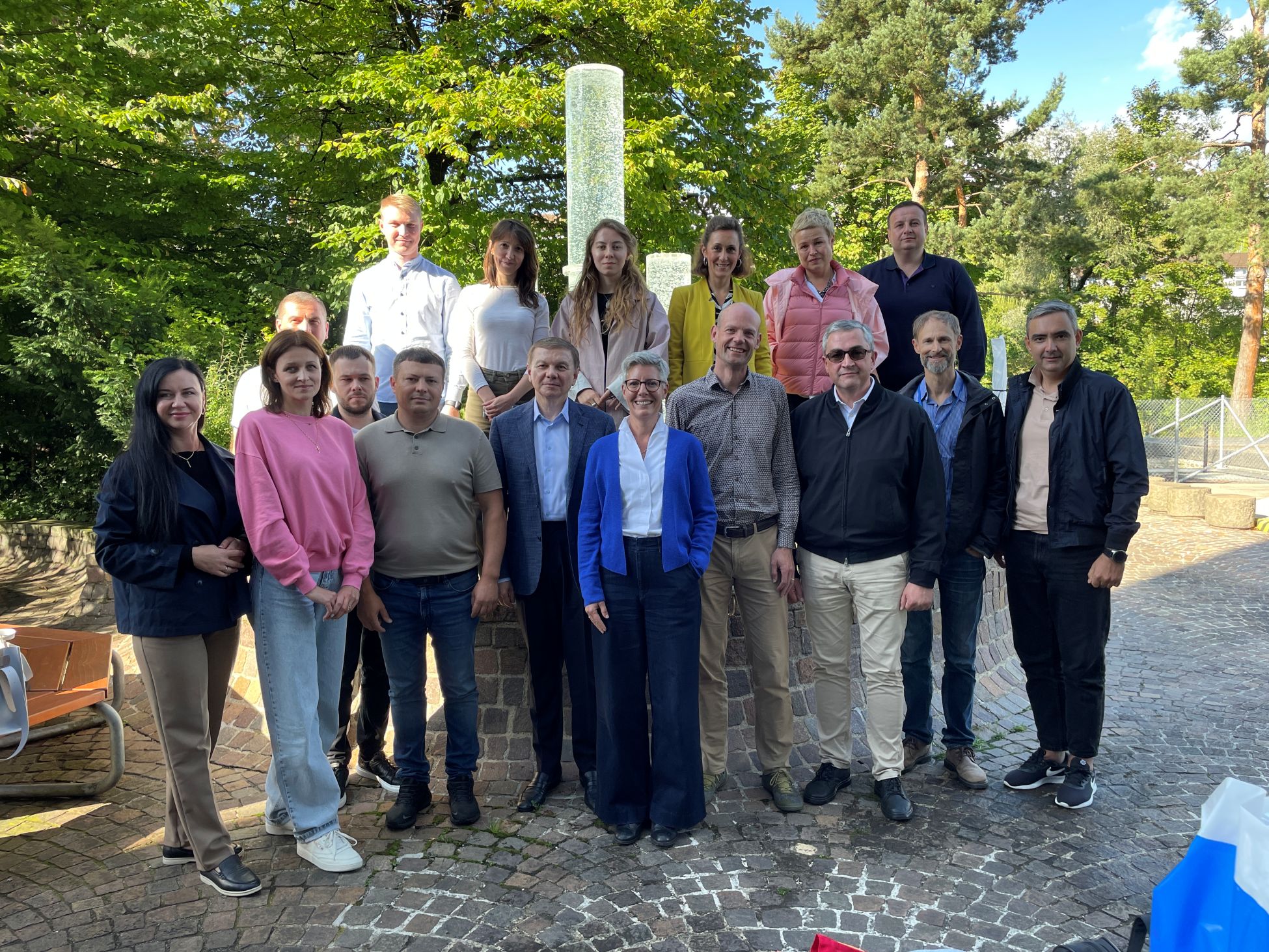
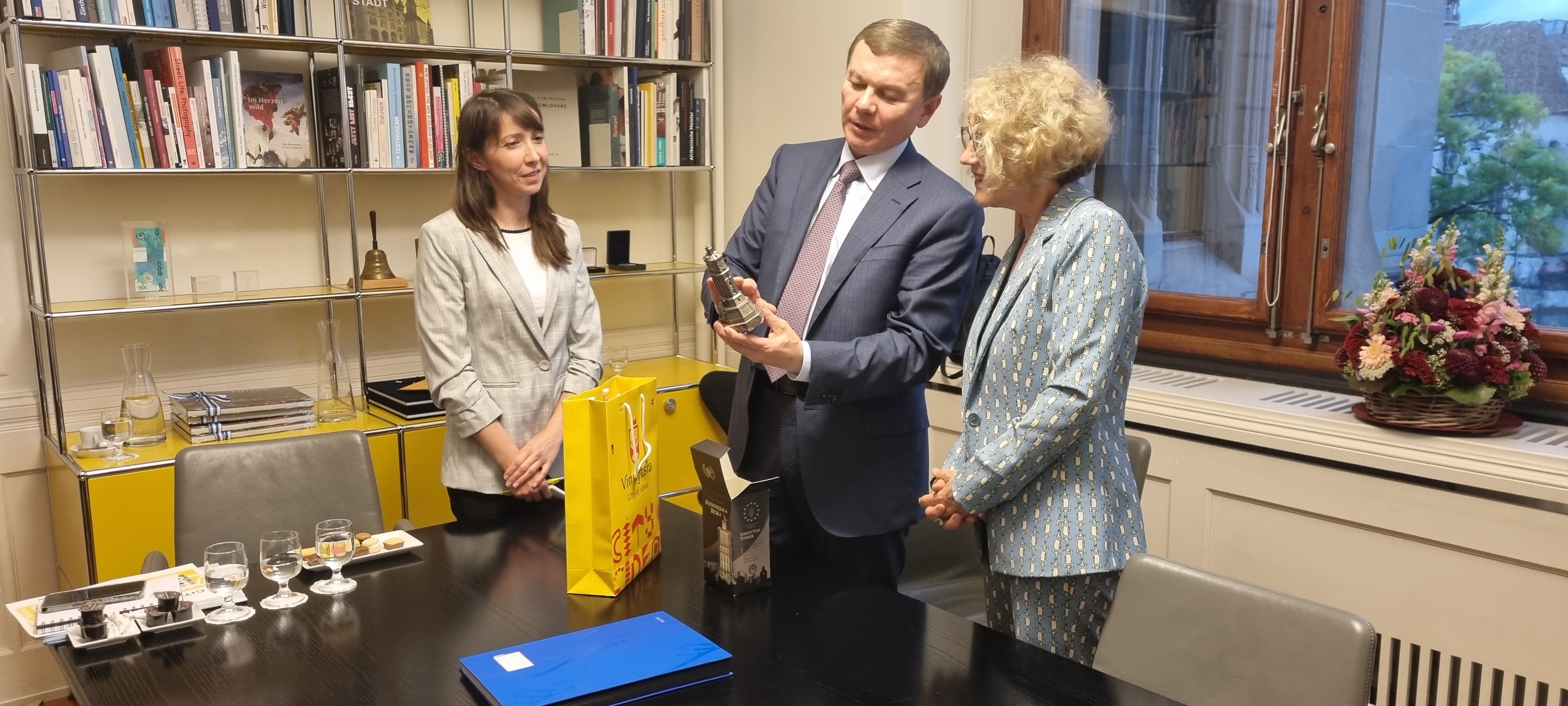
Cooperation between the cities of Zurich and Vinnytsia on water
Development and launching of a city-to-city cooperation between Zurich and Vinnytsia with a focus on water.
City of Zurich, Urban Development Department, External Relations
Vinnytsia City Council, Vinnytisa Oblast Water and Sanitation Company

Backstopping support for the SDC’s Peace, Governance and Equality section
Skat Consulting, in collaboration with, a-zimut, Learning Moments and Begegnungsreich is providing support for facilitation and collective learning to the SDC PGE section. The type of backstopping services include:
- Guidance and support for f2f, hybrid and online facilitation of learning events
- Support in the conceptualisation, design, steering and accompaniment of complex learning processes
- Support to further develop innovative facilitation and collective learning methods and skills in the PGE thematic areas and working context.
Swiss Agency for Development and Cooperation (SDC)
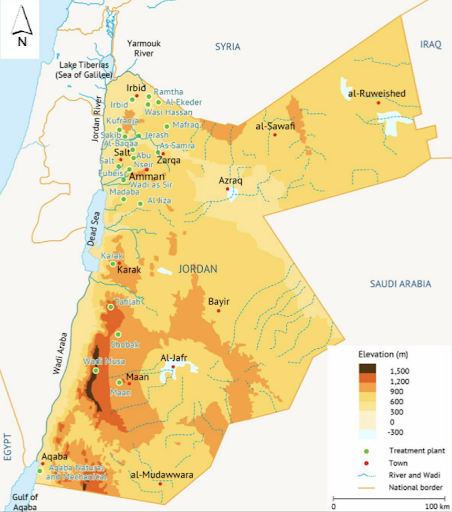
Backstopping Services for SDC’s Engagement in the Water and Sanitation Sector in Jordan - Innovative Sanitation Solutions & Reuse for Arid Regions (ISSRAR) – Sanitation Solutions for Underserved Communities in Jordan
The project “lnnovative Sanitation Solutions & Reuse for Arid Regions (ISSRAR) – Sanitation Solutions for Underserved Communities in Jordan” focuses on increasing the efficiency of wastewater treatment systems in Azraq city and on turning wastewater streams into physical and financial resources by supporting integrated, biological wastewater treatment plants (WWTP) and faecal sludge management (FSM) system using treatment wetland technology. This will not only provide additional water but also reduce health risks and protect freshwater aquifers from pollution from raw wastewater (sewage).
Swiss Cooperation Office Amman
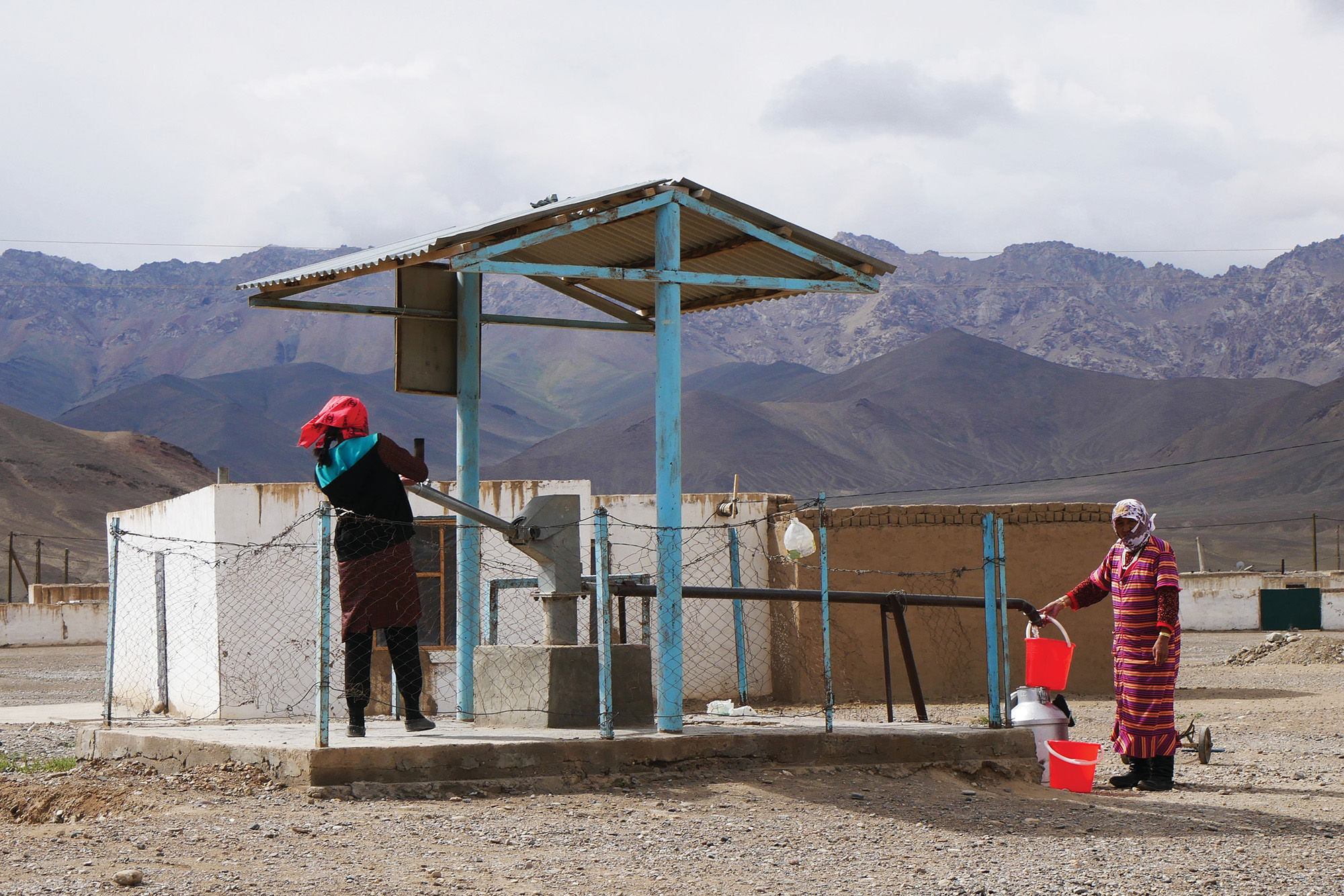
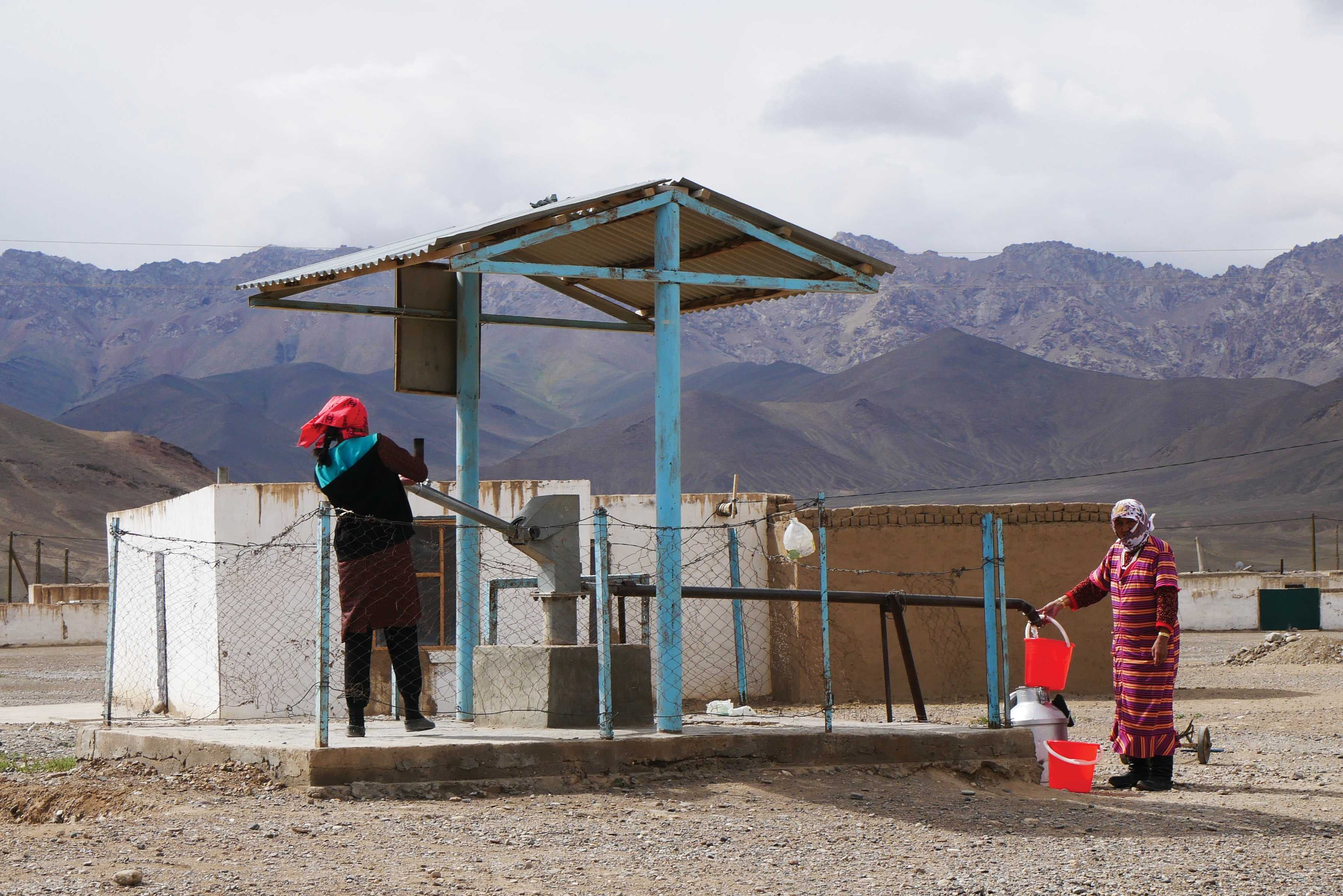
Backstopping Mandate for SDC Water Domain in Tajikistan
The mandate provides specific technical and thematic knowledge and expertise to ensure quality of water projects (IWRM, WASH, Groundwater Management, etc.) implemented by the Swiss Cooperation in Tajikistan. The general objective is to:
- provide technical and policy assistance,
- give strategic advice at project implementation as well as national policy levels,
- support quality assurance of technical components of projects, and
- facilitate peer learning among the implementing partners and Swiss Cooperation Office staff.
Swiss Agency for Development and Cooperation (SDC)
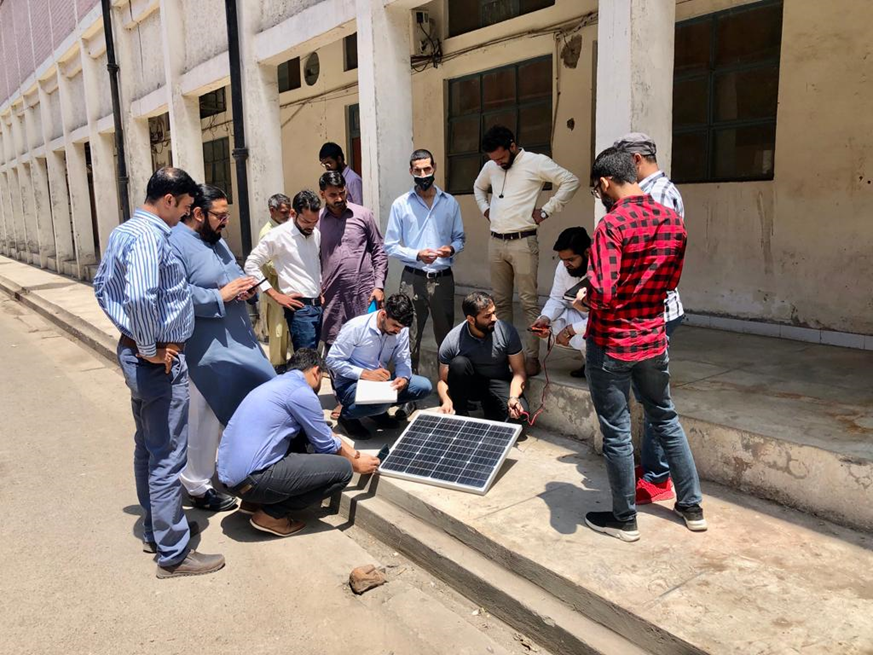
Central project evaluation of the project “Renewable energies and energy efficiency, Pakistan”
Subject to this evaluation is the “Renewable energies and energy efficiency, Pakistan” (8.1 million Euro, Jan 2020 – Dec 2023). Although the Government of Pakistan (GoP) is committed (‘by 2030, 60% of all energy produced in the country will be "clean" and through RE’ in the words of former Prime Minister Imran Khan), the targeted additional 24 GW of variable renewable energy (VRE) and its integration into the grid still require efforts at different levels (capacity auctions, sector unbundling, reduction in distribution losses, competitive electricity market). The project targets: (1) awareness of energy suppliers on management and operation of electricity grids in light of increasing proportion of VRE, (2) Improvement of technical, economic and administrative conditions for expanding decentralised, on-grid solar power generation (< 1 MW), (3) implementation of elements of the new Pakistani strategy for rural electrification and (4) contribution of Pakistan-German Renewable Energy Forum (PGREF) to energy-policy and technical exchange
Deutsche Gesellschaft für Internationale Zusammenarbeit (GIZ)