
Central project evaluation of the project “Renewable energies and energy efficiency, Pakistan”
Location
Pakistan
project period
09/2023 to 07/2024
client
Deutsche Gesellschaft für Internationale Zusammenarbeit (GIZ)
Services provided
Consultancy
Partner organisation
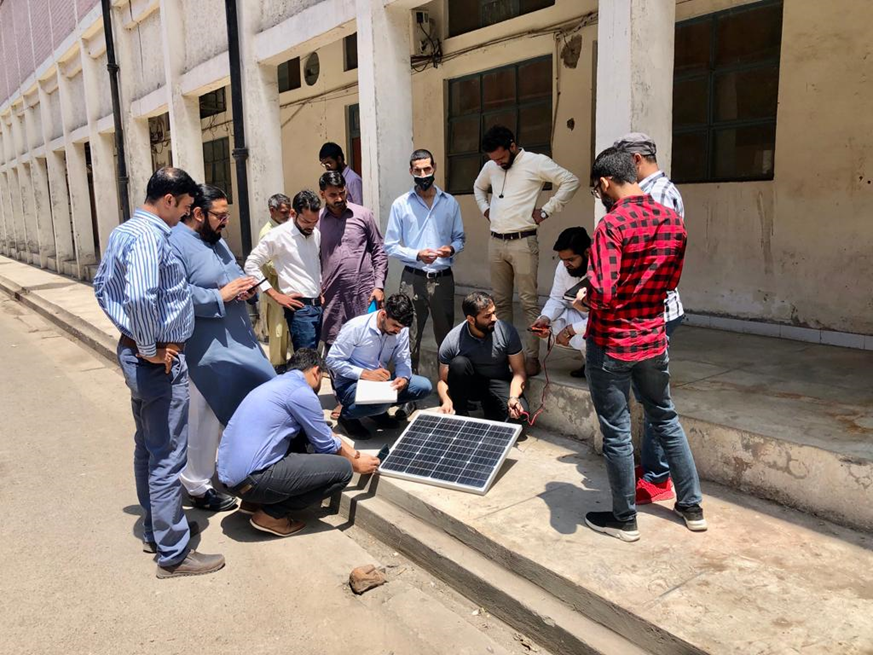
Subject to this evaluation is the “Renewable energies and energy efficiency, Pakistan” (8.1 million Euro, Jan 2020 – Dec 2023). Although the Government of Pakistan (GoP) is committed (‘by 2030, 60% of all energy produced in the country will be "clean" and through RE’ in the words of former Prime Minister Imran Khan), the targeted additional 24 GW of variable renewable energy (VRE) and its integration into the grid still require efforts at different levels (capacity auctions, sector unbundling, reduction in distribution losses, competitive electricity market). The project targets: (1) awareness of energy suppliers on management and operation of electricity grids in light of increasing proportion of VRE, (2) Improvement of technical, economic and administrative conditions for expanding decentralised, on-grid solar power generation (< 1 MW), (3) implementation of elements of the new Pakistani strategy for rural electrification and (4) contribution of Pakistan-German Renewable Energy Forum (PGREF) to energy-policy and technical exchange

Objective: Central evaluations of projects commissioned by the German Federal Ministry for Economic Cooperation & Development (BMZ) serve to a) support evidence-based decisions, b) promote transparency and accountability, and c) foster organizational learning to contribute to effective knowledge management.
Services provided by Skat: preparation and implementation of online workshops and interviews, verification of several hypotheses selected from the results matrix (Theory of Change), SMART analysis of indicators, application of efficiency tool based on cost data, interviews with numerous stakeholders and final beneficiaries of the project activities (including Ministry of Energy, various utilities, Alternative Energy Development Board, Private Power and Infrastructure Board, National Electric Power Regulatory Authority etc.), debriefing workshop, reporting.
Activities: Preparation of an inception report on the methodological approach; evaluation through collection of data and information from project and other documents and interviews with all relevant involved partners and beneficiaries, elaboration of a comprehensive evaluation report based on a detailed analysis of interview results, triangulation, validation of findings and final conclusions and recommendations, elaboration of a 1-pager and a 7-pager summary.