






filter

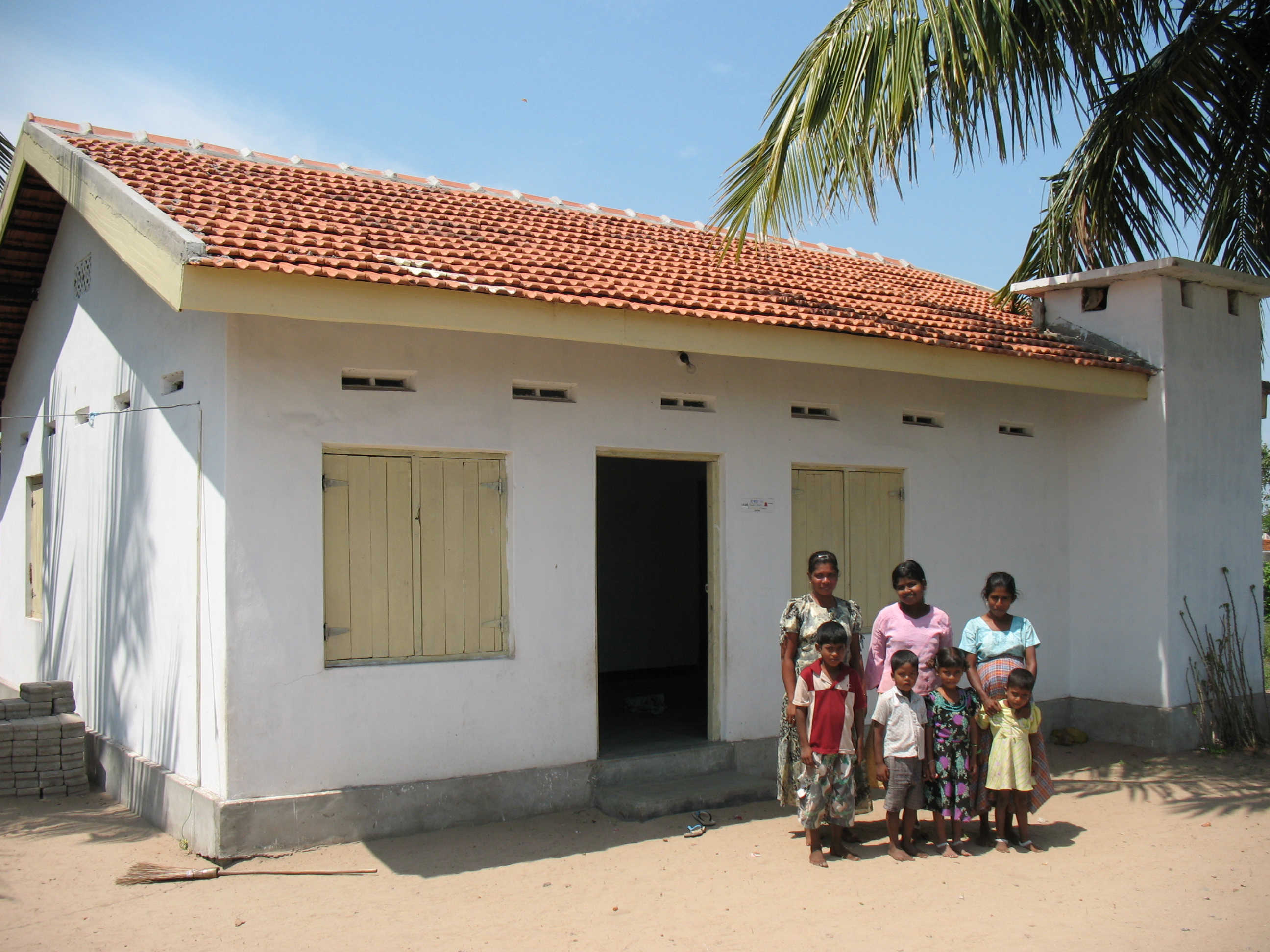
Panichankerni Reconstruction Scheme
The project concentrated on the construction of 130 houses including basic infrastructure and community facilities in the fisher village of Panichankerni in the Vaharai area on the East Coast of Sri Lanka.
Helvetas, Swiss Solidarity (SwS)
EHED - Eastern Human and Economic Development
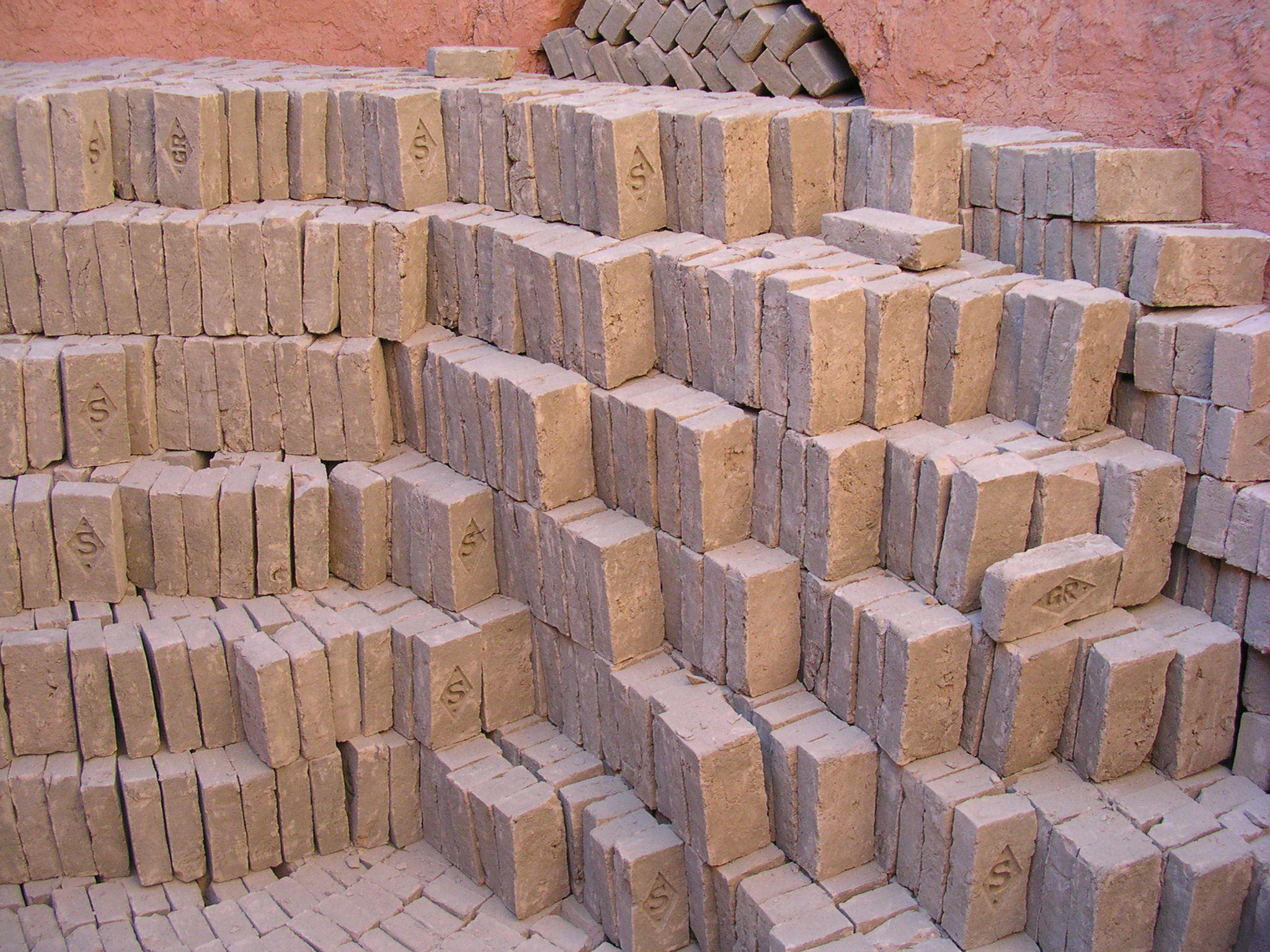
Improvement of Lime and Brick Production in Yemen
Skat carried out a study on optimising lime production in Shibam and brick production in Zabid, Yemen. The study also included a proposal on how to introduce an environmentally sustainable and fuel efficient technology.
Deutsche Gesellschaft für Technische Zusammenarbeit (GTZ) GmbH
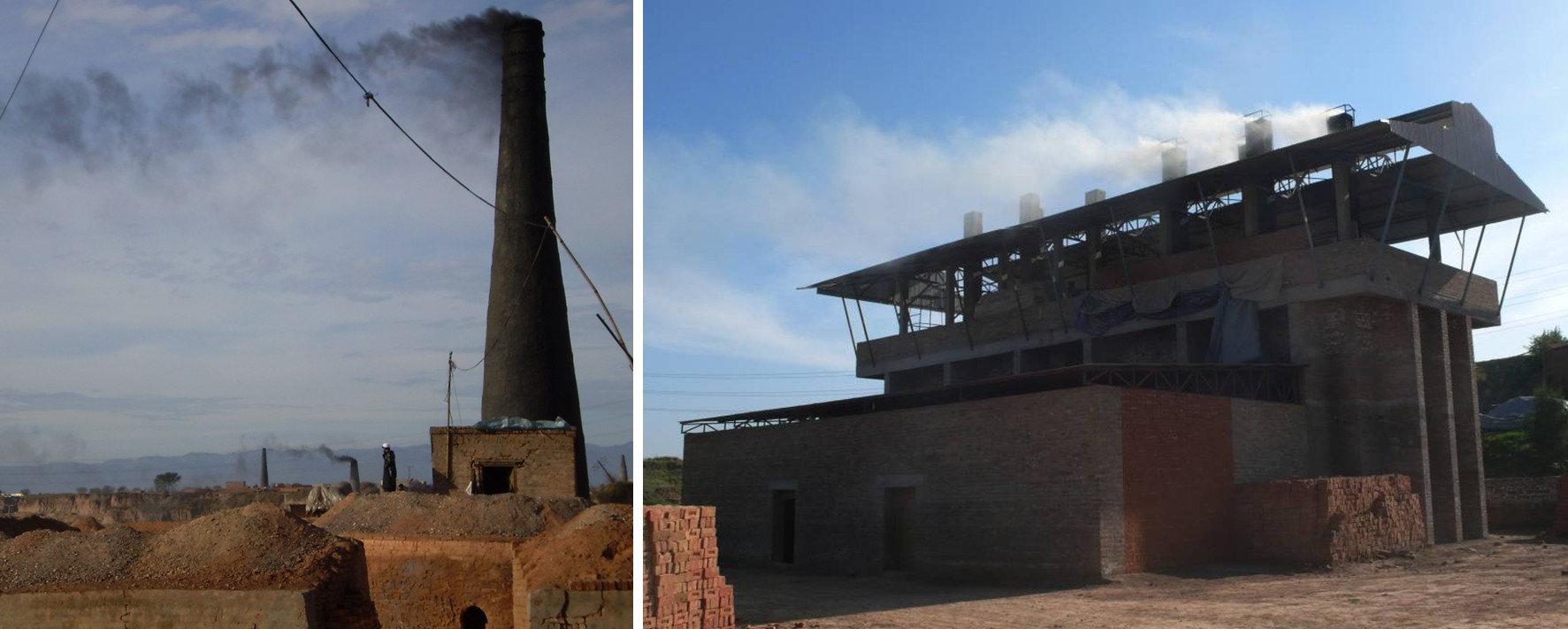
Energy Efficient Brick Production (EEBP)
Under the mandate of SDC, Skat contributed to the introduction of energy-efficient and environmentally friendly brick production technology to the Pakistani brick sector.
Swiss Agency for Development and Cooperation SDC
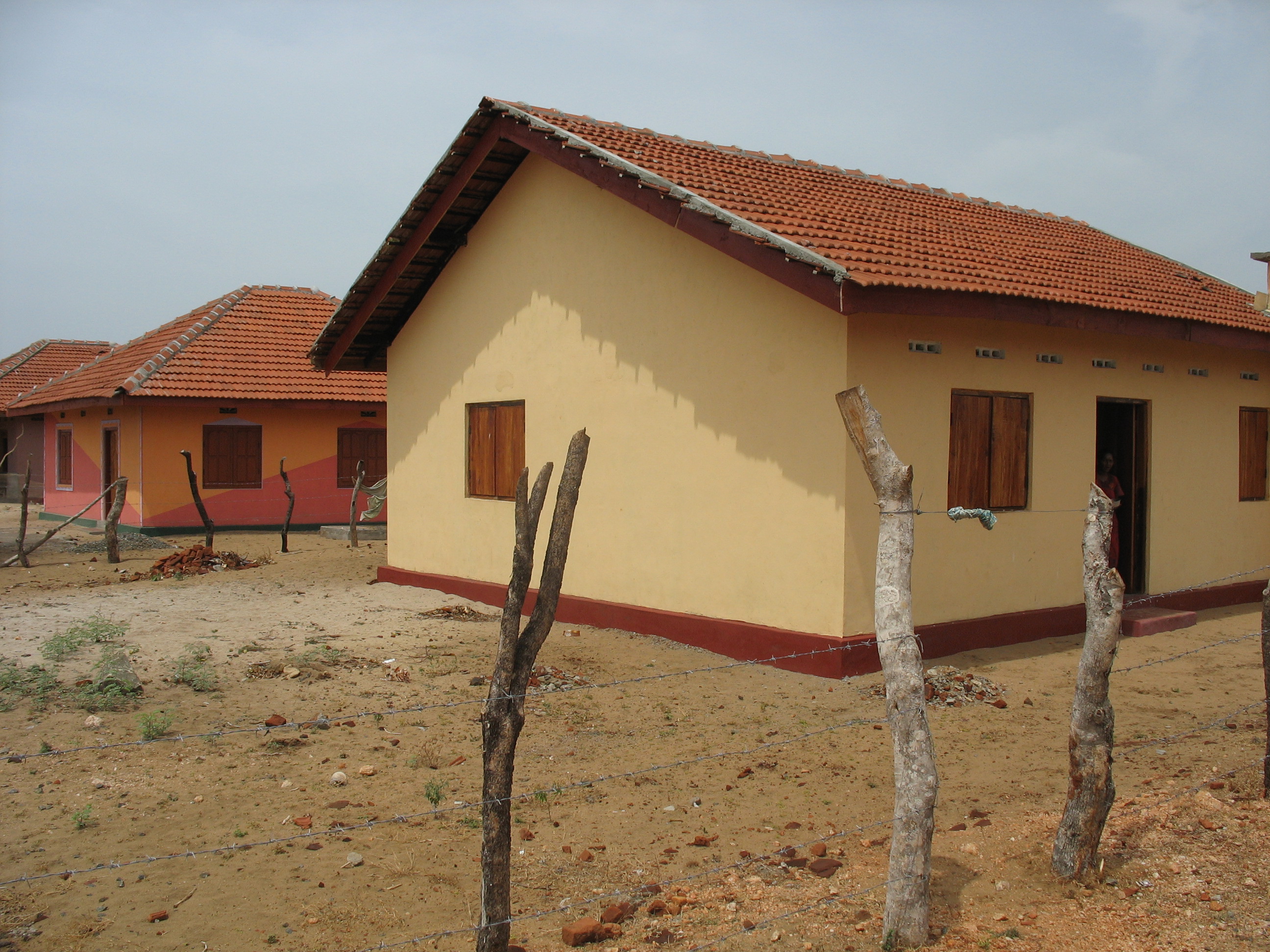
CRRP Evaluation Sri Lanka
Skat Consultancy was commissioned to evaluate the CRRP – Community Recovery and Reconstruction Partnership programme in Sri Lanka.
IFRC
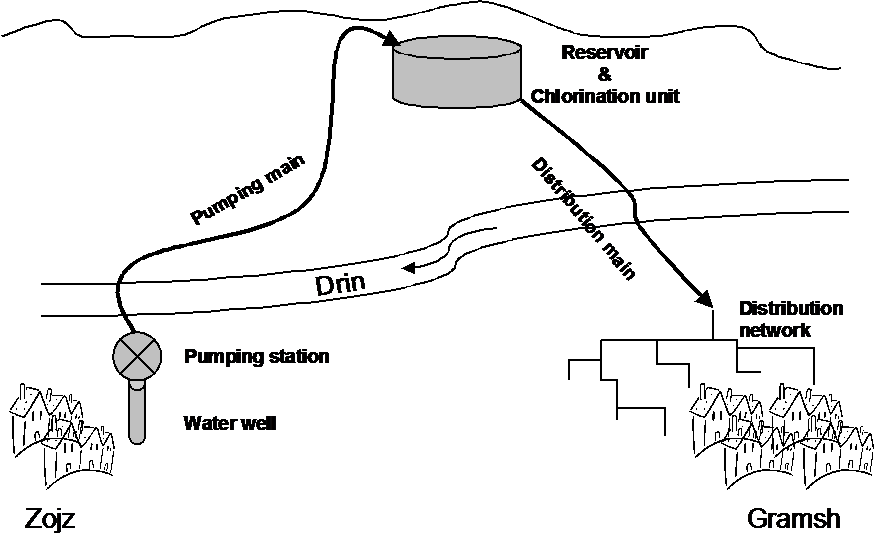
Backstopping of Caritas Switzerland in Albania
Skat assisted Caritas in the elaboration and implementation of village-level water supply, sanitation and hygiene projects in the district of Lezhë (Northern Albania). During this partnership, Skat provided support to the local Caritas office in Lezhë and the Albania desk at the agency’s head office through advisory services from the desk and regular backstopping mission to the country.
Caritas Switzerland
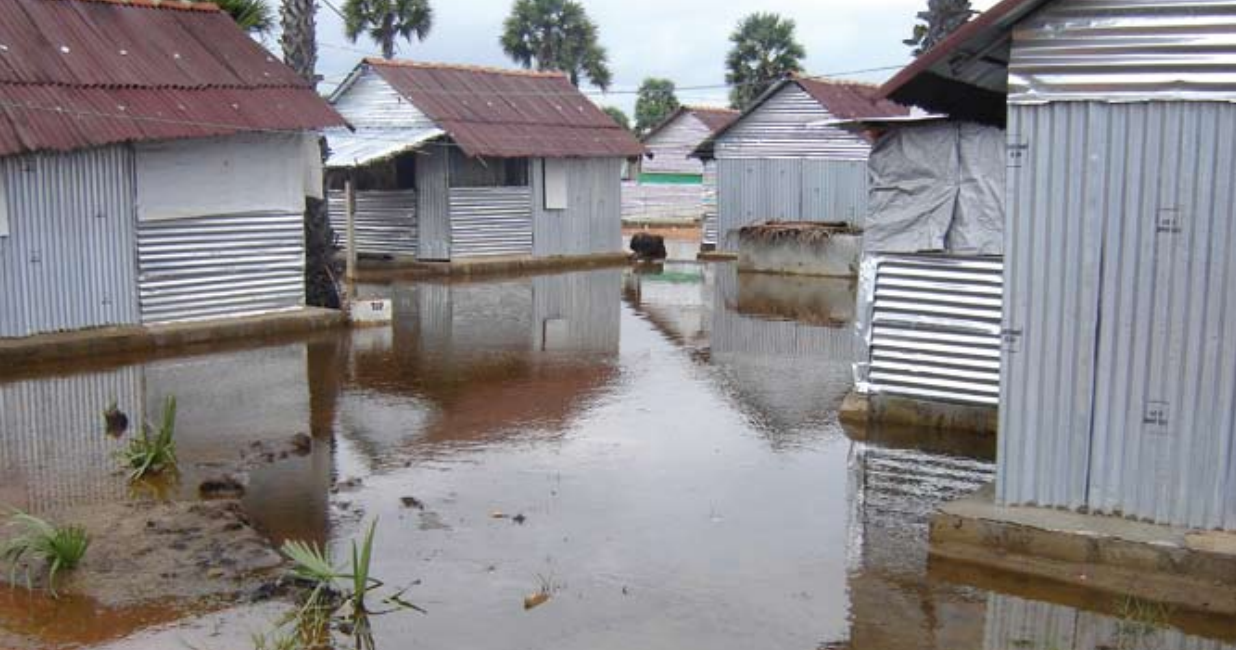
After the Tsunami – Sustainable Building Guidelines for South-East Asia
Development of strategy, concept, and formulation of the manual “Guidelines for Sustainable Reconstruction in Tsunami Affected Areas” for project managers to reduce natural disaster risks, mandated by UNEP.
UNEP – United Nations Environmental Programme
UNEP Post Conflict & Disaster Management BranchUNEP Division of Technology, Industry & Economics
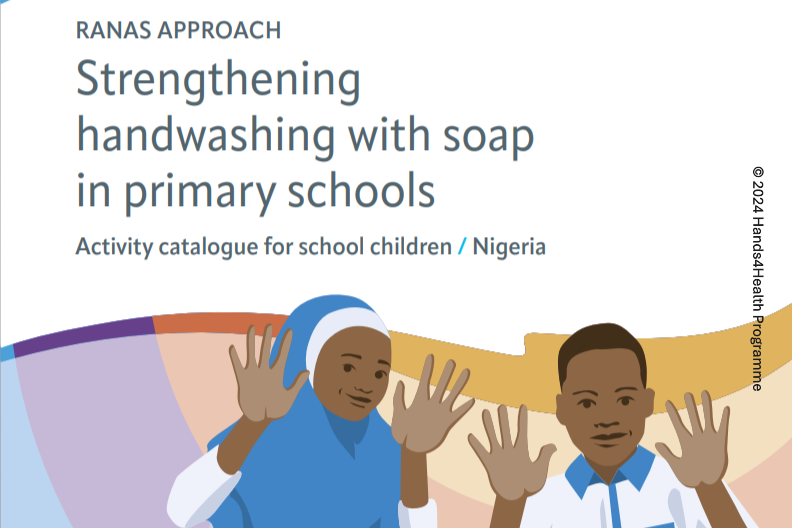
Consultancy services for the Hands4Health Programme - a systematic approach to WASH challenges
The assignment supported the Hands4Health (H4H) Programme by coordinating the development of practical guides that synthesised project results into user-friendly, step-by-step tools for implementation in diverse contexts.
SKAT Consulting worked in close collaboration with the Skat Foundation and consortium partners under the leadership of FHNW. The assignment strengthened knowledge uptake by translating research and field experience into actionable resources, enabling wider application and scaling.
Skat Foundation and the Hands4Health Programme
University of Applied Sciences and Arts Northwestern Switzerland (FHNW); Cesvi; EPFL – LTQE; Martin Systems GmbH; Palestine Polytechnic University; RANAS; Skat Foundation; Swiss TPH; Terre des hommes; and the University of Maiduguri.
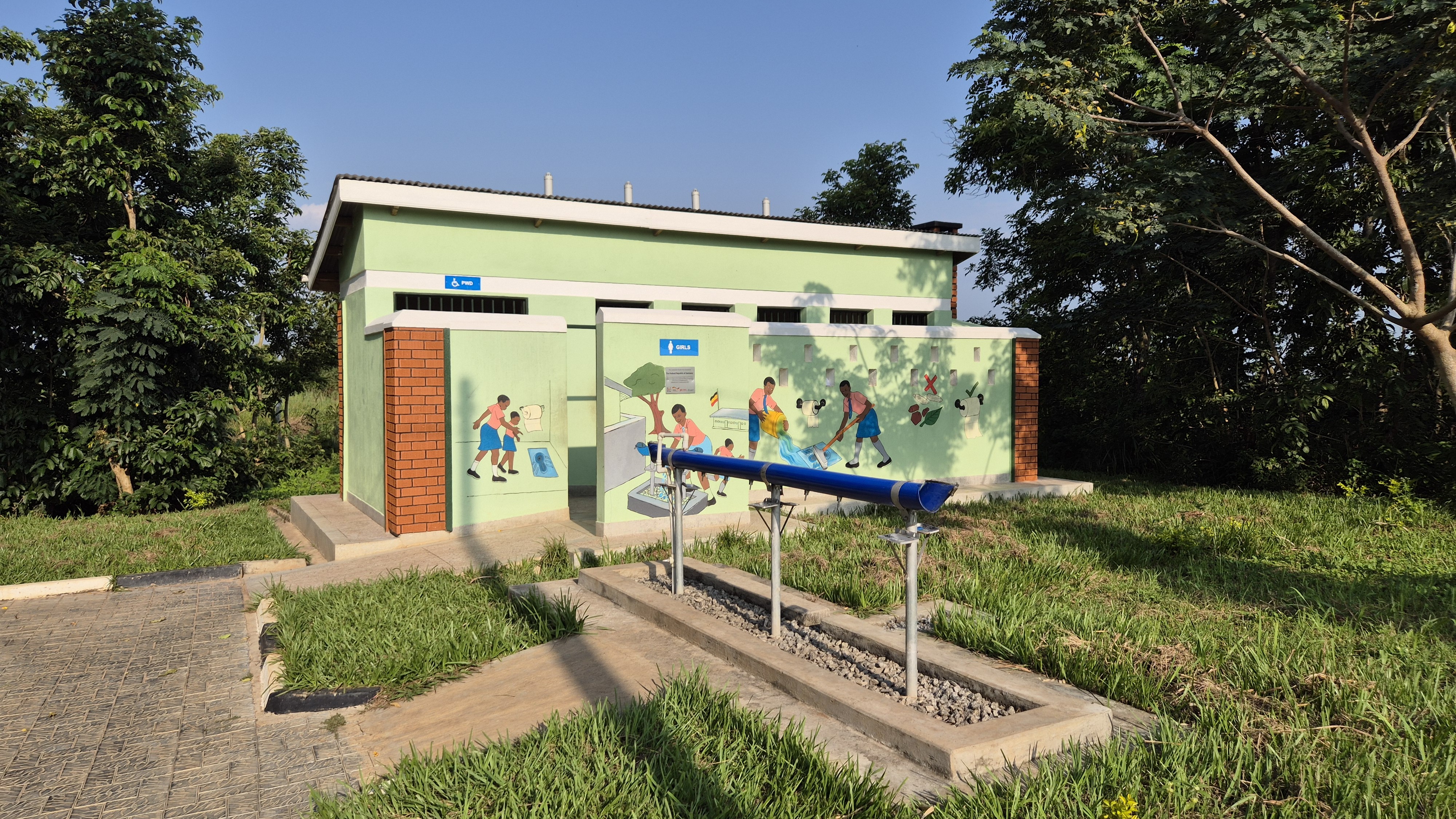
Central Project Evaluation of GIZ Global Programme Sanitation for Millions
SKAT Consulting conducted the independent final evaluation of the global flagship programme Sanitation for Millions (S4M), on behalf of the Evaluation Unit by GIZ, funded by the German Federal Ministry for Economic Cooperation and Development (BMZ) with a total volume of EUR 10 million. The evaluation assessed programme performance, with a focus on Pakistan and Uganda and generated strategic lessons for future sanitation and hygiene programming. It examined how investments in sanitation infrastructure, capacity development and institutional strengthening contributed to improved service delivery for vulnerable populations and identified key factors influencing the sustainability of results.
Deutsche Gesellschaft für Internationale Zusammenarbeit (GIZ) GmbH
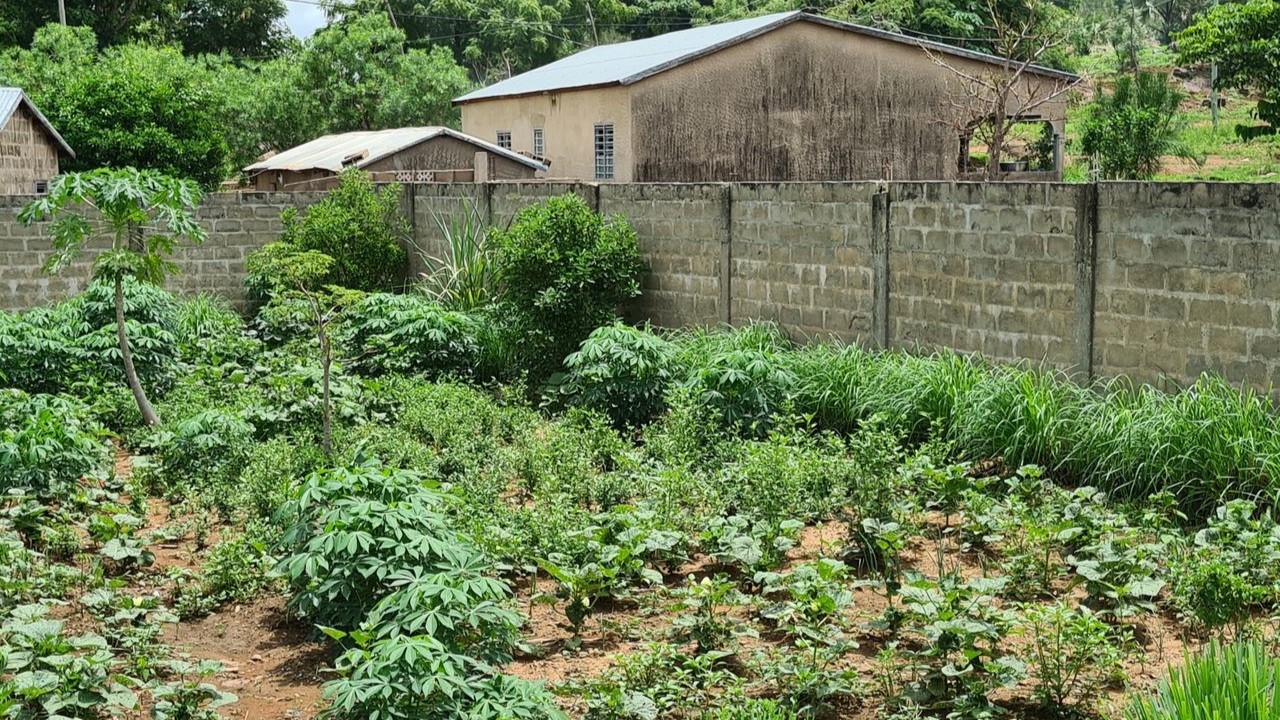
Advisory services and coordination of the Learning Group Agroecology by the Swiss Alliance for Sustainable Food Systems and Empowered Communities (Sufosec)
Between 2021 and 2024, SKAT supported the coordination and facilitation of the Sufosec Learning Group on Agroecology, fostering structured exchange and joint learning across the Alliance for Sustainable Food Systems and Empowered Communities (Sufosec). It centred on the co-creation of knowledge on agroecological transformation through a “Learning Journey” implemented with 24 partner organisations in the Global South and supported by participatory workshops and thematic exchanges.
SKAT contributed technical expertise in agroecology, water, and knowledge management, leading the learning process and ensuring the development and dissemination of key knowledge products. These include an inventory of agroecological learning models and a series of syntheses on critical topics such as agroecology in fragile contexts. The assignment strengthened cross-country exchange, collective learning, and the integration of agroecological approaches across Alliance programmes.
Skat Foundation and the Swiss Alliance for Sustainable Food Systems and Empowered Communities
Fastenaktion, SWISSAID, Vétérinaires Sans Frontières Suisse, Vivamos, Aqua Alimenta and Skat Foundation, SDC
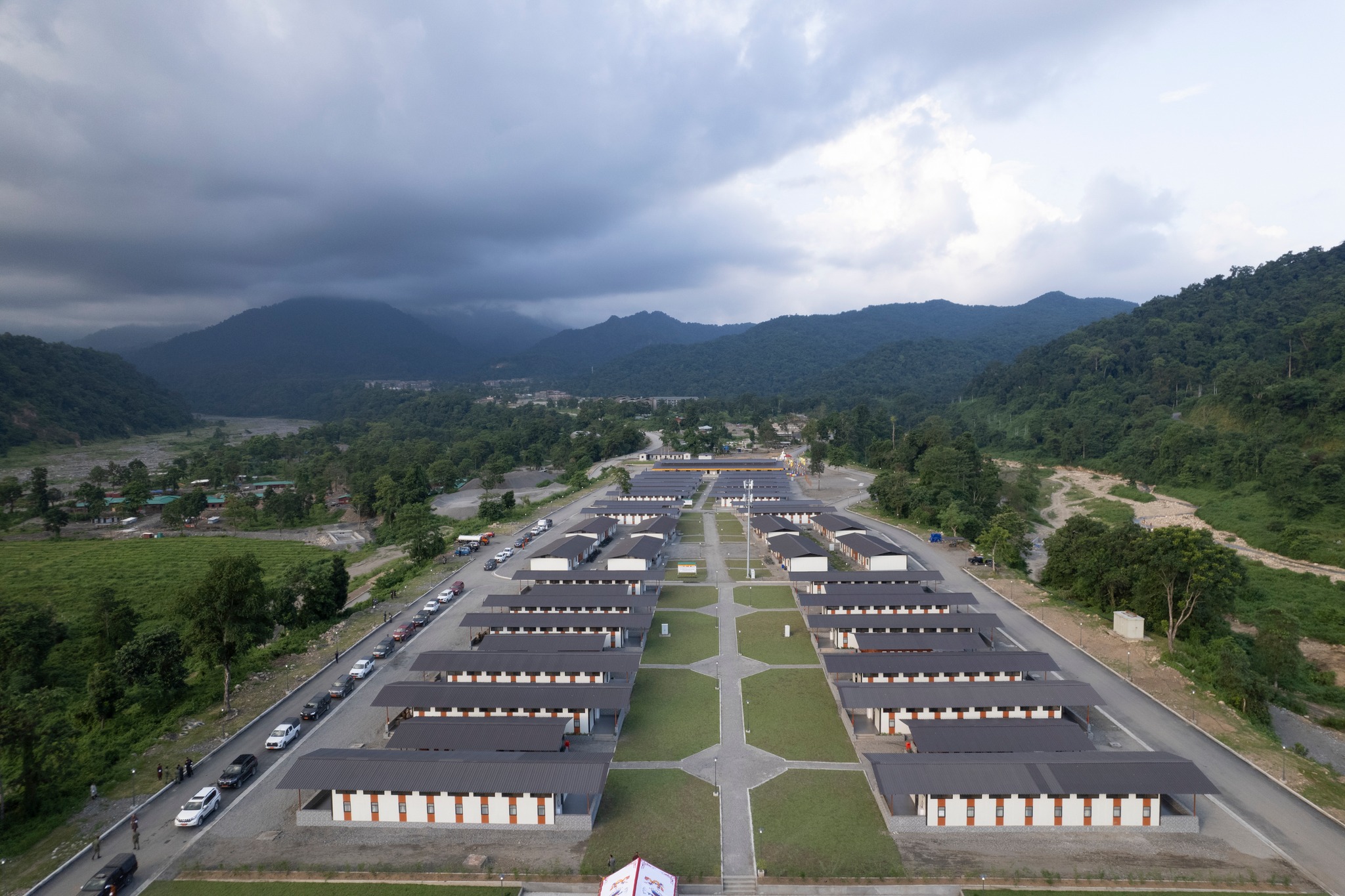
Scaling Zero Waste Implementation at Bhutan’s Gyalsung Academies
Bhutan's five Gyalsung Academies train thousands of cadets on largely self-sufficient campuses, but rapid expansion has outpaced local waste management capacity, with most waste disposed of at open dumpsites. This REPIC-funded pilot establishes Bhutan's first fully integrated Zero Waste system at Pemathang Gyalsung Academy, demonstrating a practical, replicable model aligned with the Zero Waste Bhutan Policy (2023) and laying the groundwork for nationwide scaling across all five academies.
REPIC (Renewable Energy, Energy and Resource Efficiency Promotion in Developing and Transition Countries)
Gyalsung Headquarters, Gyalsung Infra, Ecopartner