






filter


Repair Facilitation Ukraine (REFAUK)
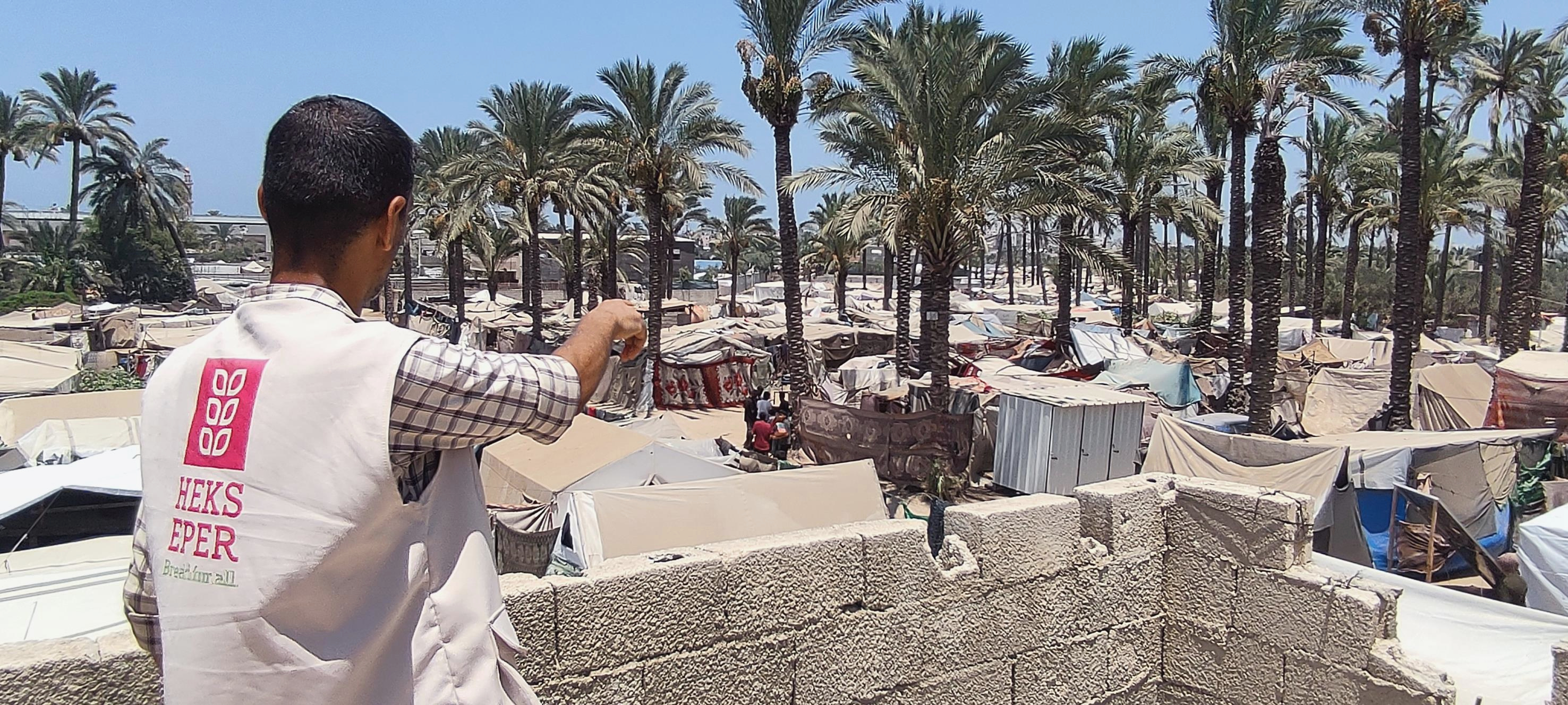
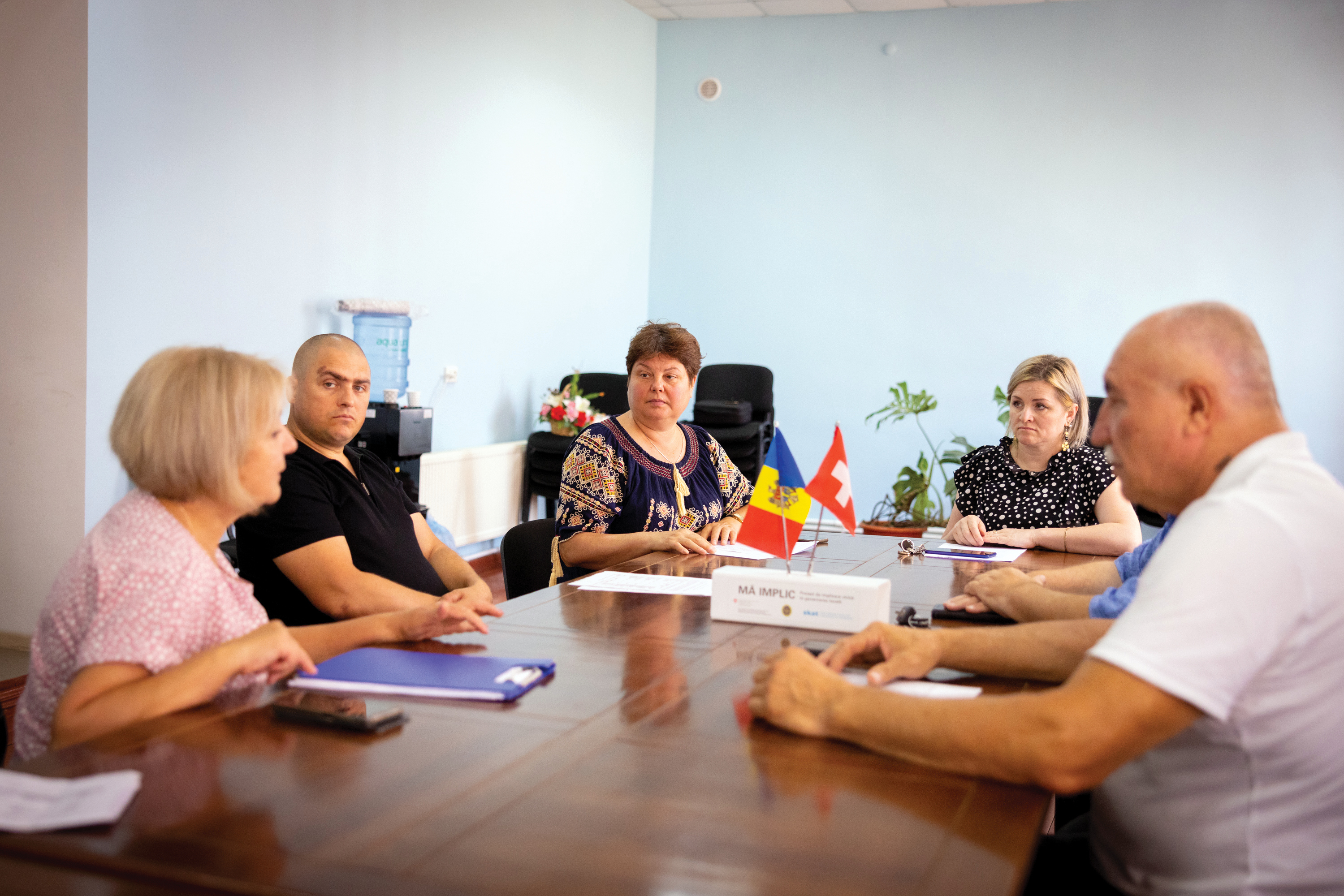
The REFAUK is a humanitarian aid program in Ukraine aiming to support conflict-affected communities to deal with the repair and upgrading of damaged houses, IDP shelters and water systems. The initiative is lead by Helvetas and implemented in collaboration with the local DESPRO NGO. Skat is providing technical backstopping and implementation support, especially for the water system and housing repair projects but also for a pilot initiative on circular construction. Besides its expert input on program conception and implementation strategies, Skat develops working tools and technical guidelines.
Helvetas Swiss Intercooperation
(Program funding by Swiss Solidarity and Swiss Development Cooperation)
Helvetas Swiss Intercooperation DESPRO NGO
National Water Resources Management Project Uzbekistan: External Review Phase 2 / Design Phase 3
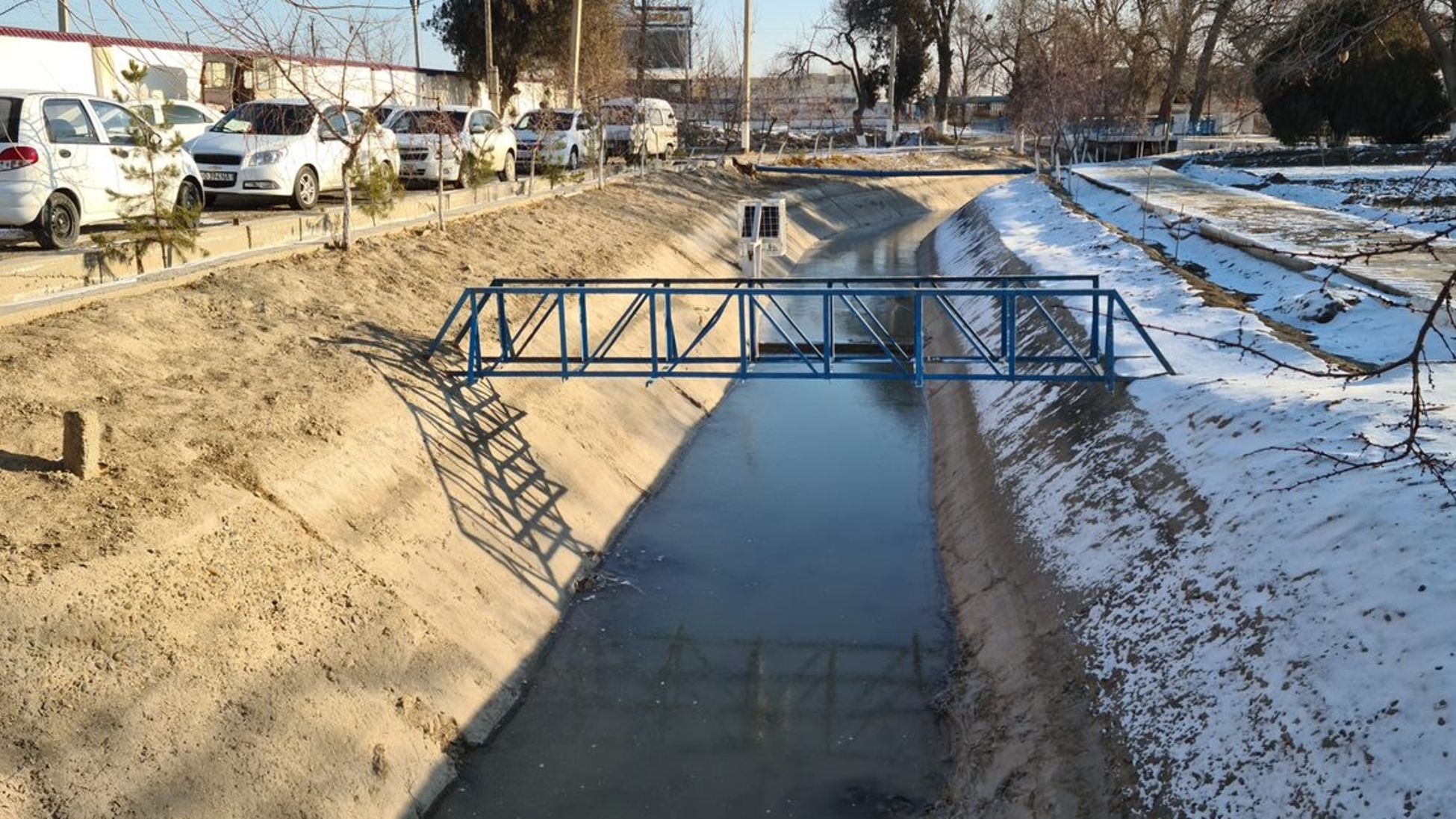
Building on the successes of its regional Integrated Water Resources Management (IWRM) Project in the Fergana Valley (2002-12), SDC launched from on 2013 National Water Resources Management (NWRM) Projects in Kyrgyzstan, Tajikistan and lastly Uzbekistan. Against this backdrop, SDC has been supporting the NWRM Project in Uzbekistan for seven years (2018-2023) and committed to continue this effort over the subsequent four years (2024-2027). Fundamentally, the intervention aims to improve the livelihoods and the resilience of the country’s rural population through integrated water resources management. The External Review conducted by Skat Consulting established, that based on an effective partnership with the Ministry of Water Resources and other key stakeholders at national and local level, the Project has been particularly functional in advancing the Uzbek water sector reform and its enabling environment, whilst promoting efficient and sustainable use of scarce water resources in agriculture. Skat Consulting’s ensuing design support resulted in a Phase 3 of the Project that is devoted to the further augmentation, effective consolidation, and ultimate institutionalisation of the achievements thus far. Over the coming years, a qualitative leap “upwards” of the intervention will be reached by aiming at a full-fledged IWRM approach, embracing all uses of water and the respective multi-actors’ space. Newly, it will foster prominently connectedness, exchange, and collaboration among knowledge bearers at national level and in the region.
SDC – Embassy of Switzerland in Uzbekistan

International Support for Village Renewable Energy Survey for Afghanistan – focus on Micro Hydropower (MHP)
Only one third of the population of Afghanistan has access to electricity; hence, The Afghanistan Ministry of Energy and Water (MEW), aims to meet the energy demands across the country by supporting and encouraging the use of Renewable Energy (RE). The GIZ Program’s Output 4 is mainly addressing climate change as well as boosting the productive use of renewable energy in Afghanistan through sustainable energy and ecosystem management. GIZ-ESIP develops technical concepts for fostering the production levels of SMEs as a result of renewable energy implementation in rural municipalities.
Deutsche Gesellschaft für Internationale Zusammenarbeit (GIZ)
intec GOPA - International Energy Consultants GmbH
IRENA Expert Follow-up Event on Hydropower
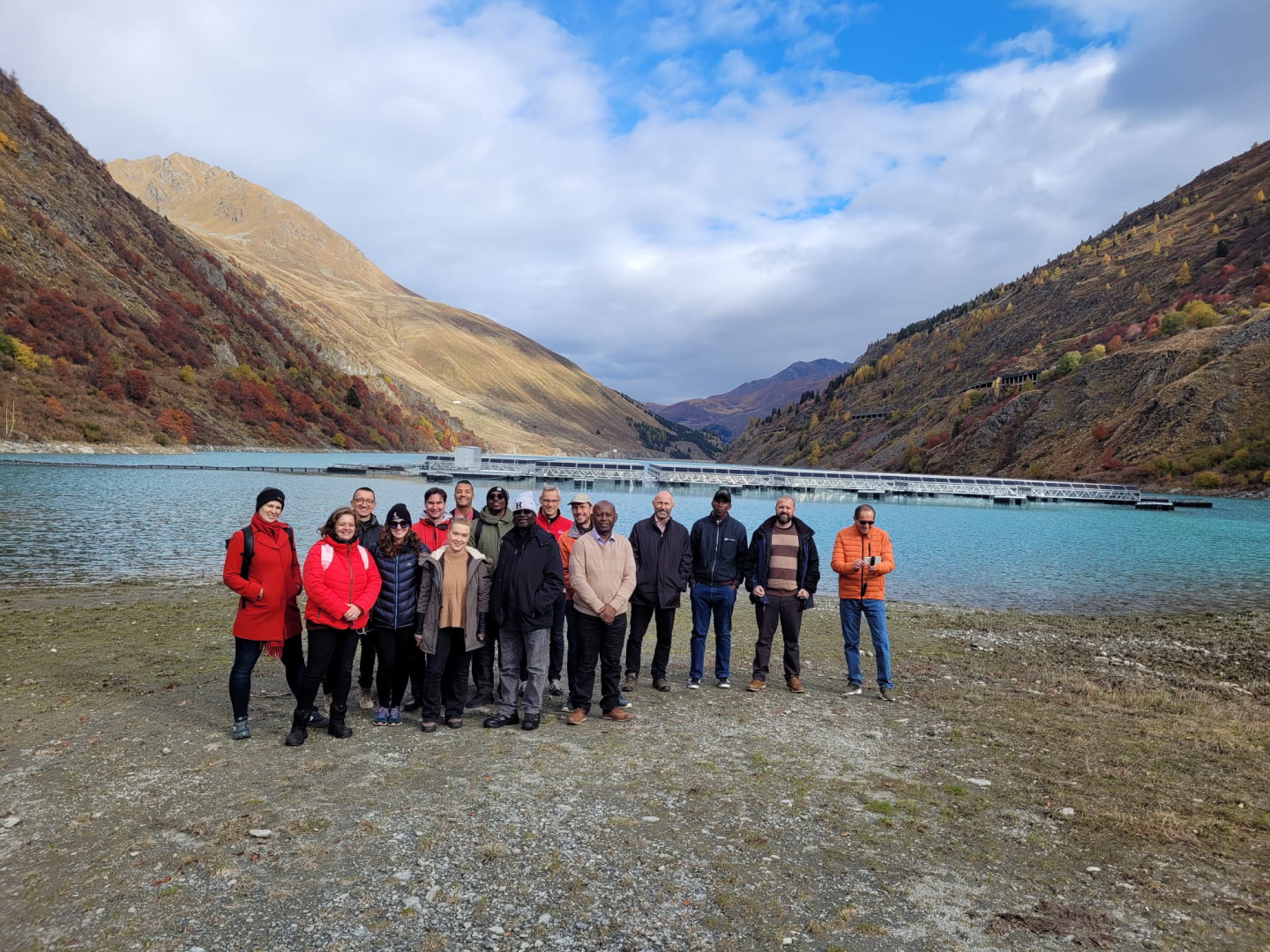
The FDFA, together with IRENA, SFOE, lHA, other interested organisations and IRENA member states, plan an "Expert follow-up Event on Hydropower" October 2022 for 3 days with about 80 participants (of which most from developing countries). The participants will gain a common understanding of the role which hydropower can play in the renewables energy mix and the policy and general framework which is required to pave the way for hydropower development.
Swiss Federal Department of Foreign Affairs (FDFA), acting through Directorate of Political Affairs - Sectoral Foreign Policies Division
Geneva Water Hub (GWH) Strategy 2023-2035
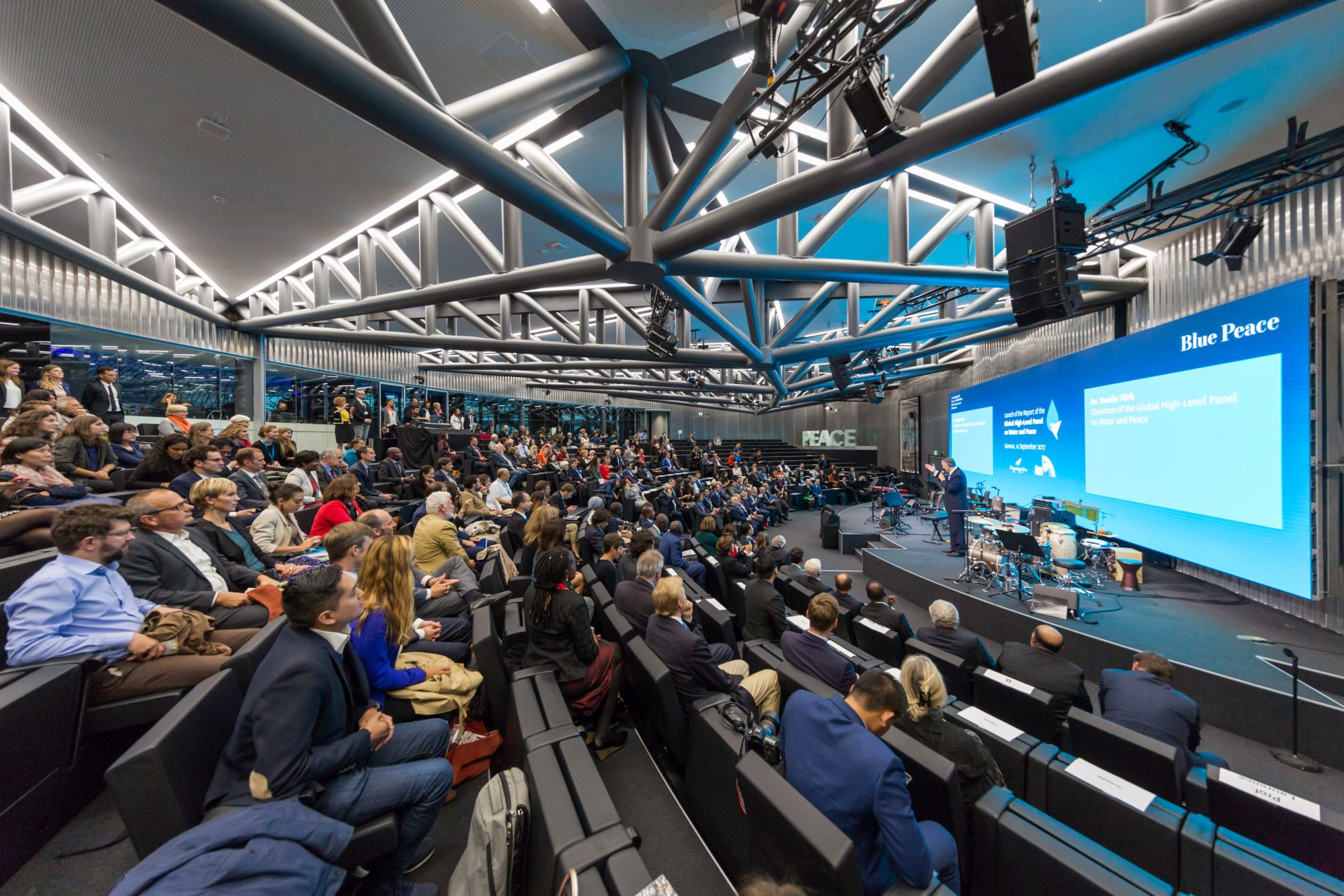
Since its establishment in 2014, the Geneva Water Hub (GWH) has been promoting the use of water as an instrument of peace and stability, based on an in-depth analysis of conflict dynamics and the networking of actors who can contribute to global change. Over 2017-2019 in particular, the GWH has consolidated its functions and strengthened its global recognition. It was in particular successful in conceptualizing and launching a strategic road map to support the conclusions of the work of the Global High-Level Panel on Water & Peace and to ensure proper implementation of recommendations considered as particularly critical for the water and peace agenda. Facilitated by Skat Consulting, the design of the forthcoming GWH period innovated by embracing the full peace and security nexus, positioning water as a connector between the sustainable development, the peace sustaining and the humanitarian response agendas.
University of Geneva (Geneva Water Hub)
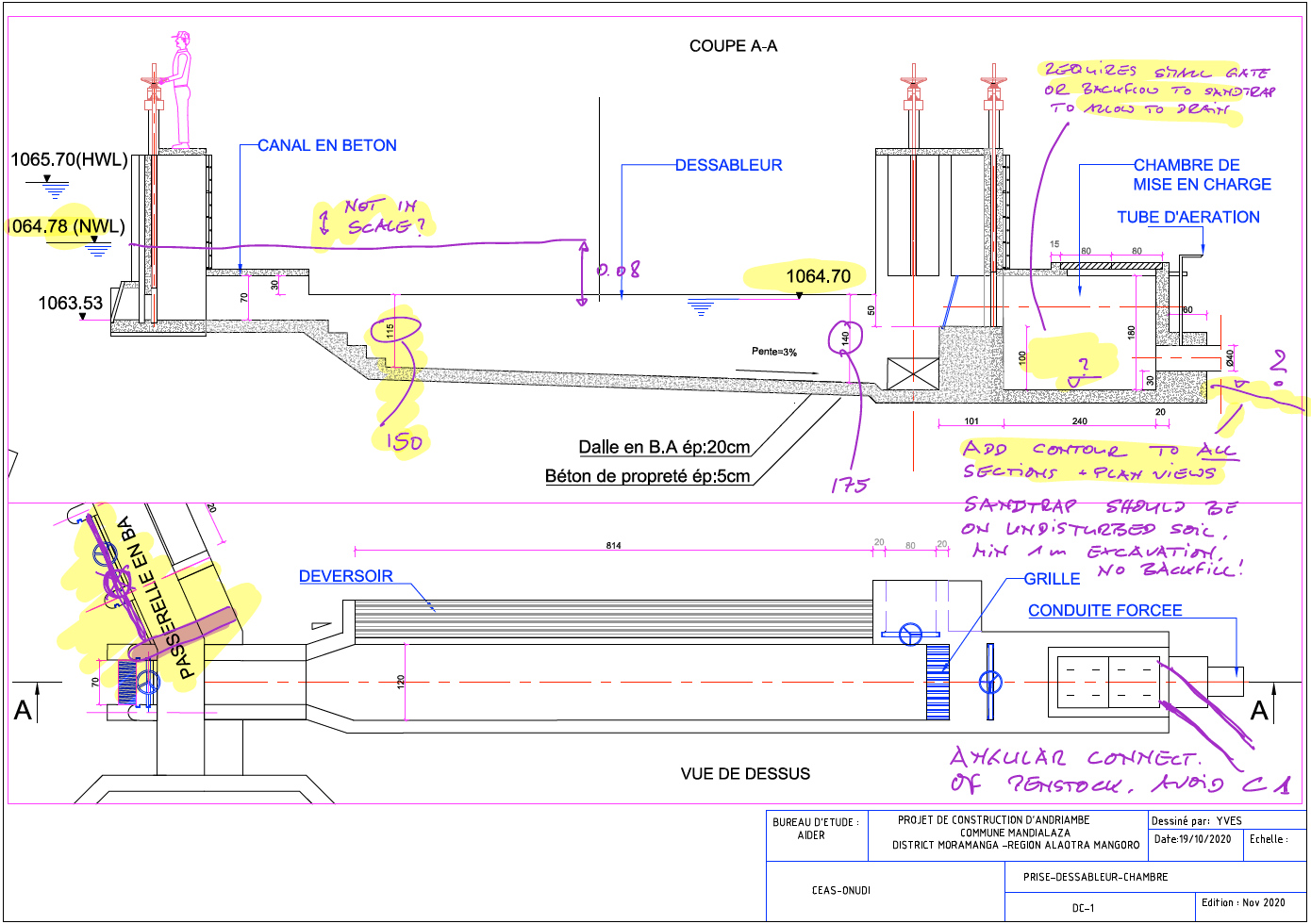
Environmentally compatible hydroelectricity for small businesses and rural households – Madagascar
Based on a preliminary study from 2013 and a feasibility study carried out by a local hydropower planner and developer called AIDER in 2019, a detailed design study of the project is developed for the Small Hydroelectric Power Plant of Mandialaza with a capacity of 2 x 100 kW. The role of Skat is to accompany the different stages of the work and provide the necessary technical support to ensure the quality of the study, with a focus on the hydrology and civil engineering parts as well as hydraulic- engineering structures up to the turbine.
La fondation du Centre Ecologique Albert Schweitzer (CEAS)
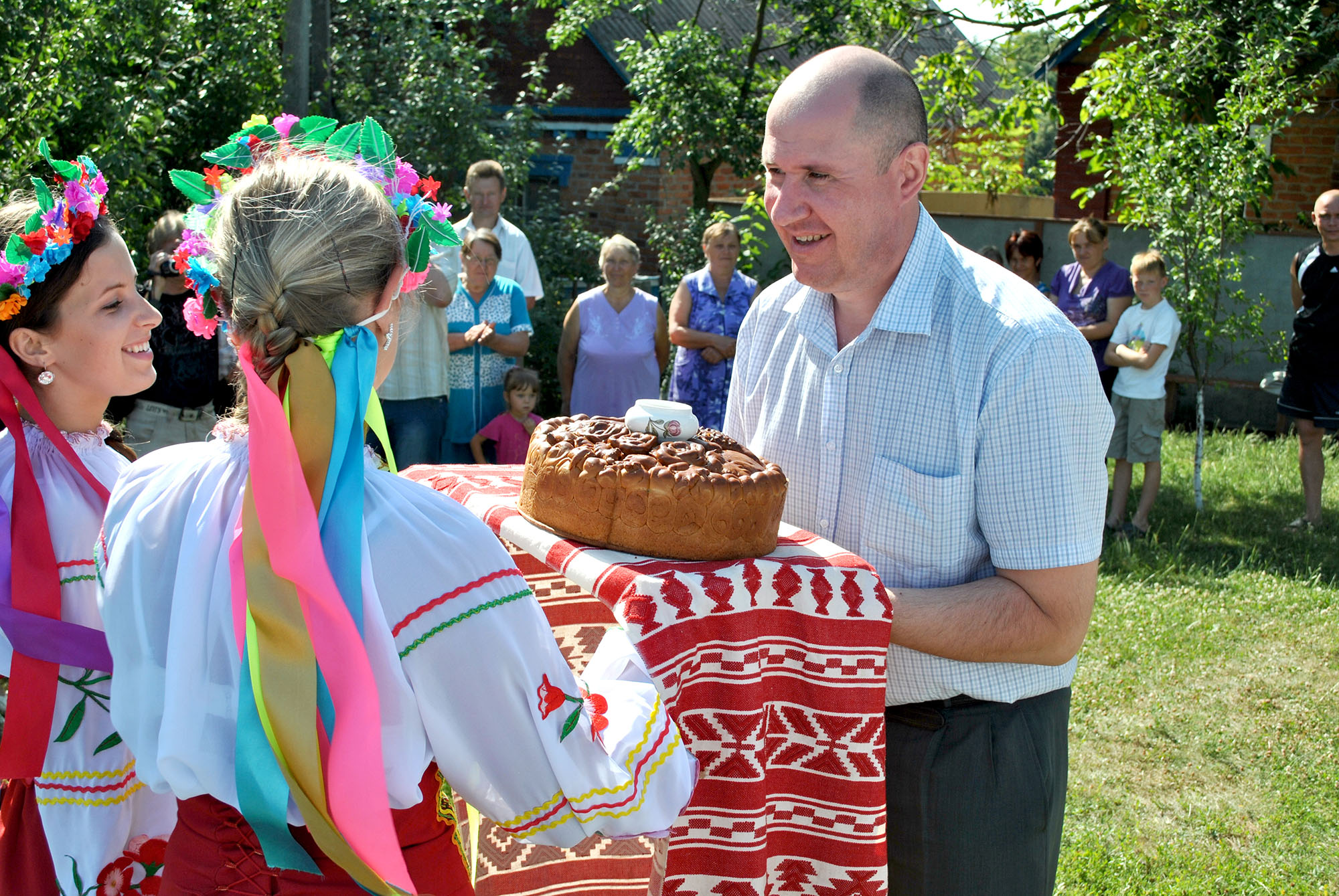
DESPRO – Swiss- Ukrainain Decentralisation Support Project, Ukraine
SDC has entrusted Skat since 2007 with the implementation of the decentralisation support project (Phases I-IV) with the aim of contributing to the improvement of service provision in rural communities through the rehabilitation of community infrastructure, supporting service providers in building capacities, and strengthening of participatory decision-making processes focusing on the inclusion of groups in risk to be excluded, and thus improving the livelihoods of the rural population in Ukraine.
Embassy of Switzerland - International Cooperation
Ministry for Regional Development, Construction, Housing and Communal Services (Minregion); Parliamentary Committee on State-Building and local self-governance; national and local authorities (Oblast, Rayon, communities), service providers such as communal enterprises; Council of Europe; UNDP

Backstopping Services to the Rural Water and Sanitation Support Programme Kosovo (RWSSP)
Since 2005, the Rural Water and Sanitation Support Programme (RWSSP) has provided better access to safe drinking water and sanitation to about 600’000 people living in rural areas of Kosovo. Whilst investing into infrastructure improvement, it supported performance improvements of the country’s seven Regional Water Companies (RWC). By the end of Phase V late 2017, the country had met the Millenium Development Goals (MDG) with over 80% of its population supplied with water by a licensed and regulated water utility. By further strengthening the capacities of the RWCs and their oversight bodies, and with targeted infrastructure investments, the Phase VI – Exit Phase (2018-2020) consolidated the past achievements and contributed to an increasingly sustainable and socially inclusive provision of high-quality water and sanitation services in Kosovo. Over the 15 years of existence, the different Programme components were implemented by various local and international organisations. Since Phase IV, Skat Consulting Ltd. has been providing specific backstopping services to those implementing agencies and to the Swiss Cooperation Office (SCO).
Swiss Agency for Development and Cooperation (SDC)
Holinger Ltd.
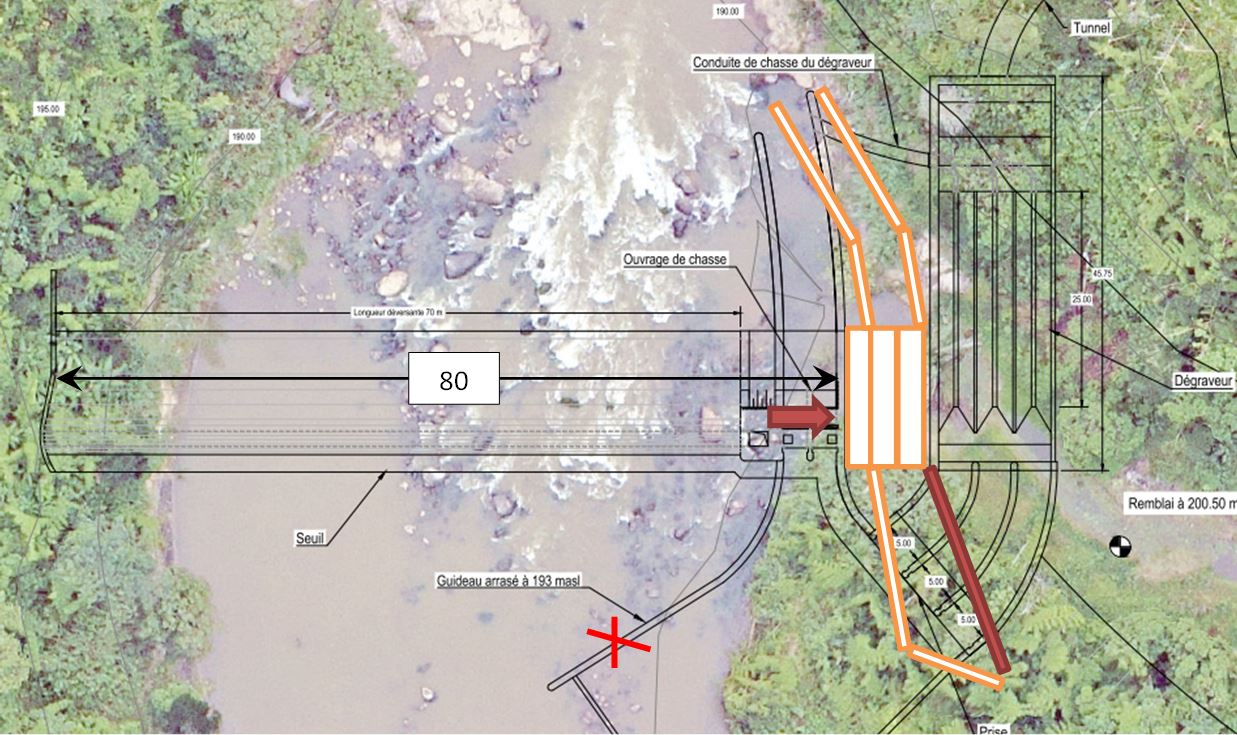
Support for the evaluation and revision of hydropower studies under the PERER (Electrification Programme through Renewables) in Madagascar
Madagascar’s New Energy Policy (adopted in Sept 2016) intends to increase the rural electrification rate from today < 5% to 75% in 2030 and this mainly through renewables (mainly hydro and PV). GIZ in the context of the “Electrification Project through Renewables PERER” supports local stakeholders (ministry, regulator, agency for rural electrification and private sector etc.) through Technical Assistance. Skat was mandated to analyse and revise feasibility and detailed design studies as well as hydrological studies for selected sites in Sava region.
GIZ, Deutsche Gesellschaft für Internationale Zusammenarbeit
Hydro Engineering Ltd.
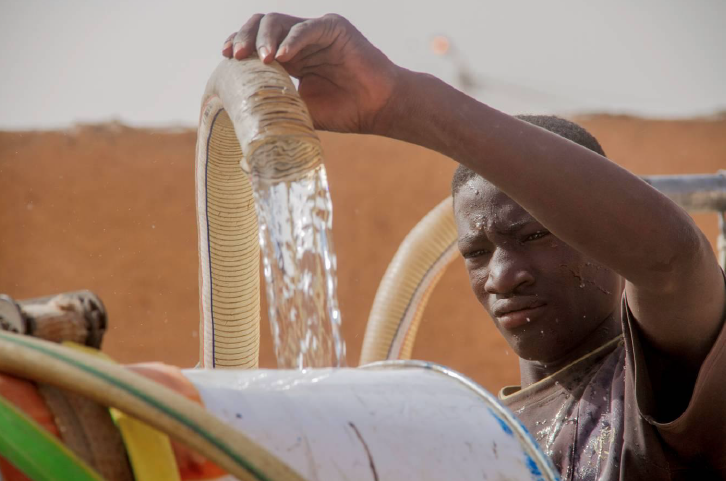
Suivi et Appui-conseil au PCAEA
The Service de l’Eau of the city of Lausanne, Switzerland, is in a public-public development partnership with the Communauté Urbaine de Nouakchott (CUN), Mauritania, for the implementation of the Projet Communautaire d’Accès à l’Eau et l’Assainissement (PCAEA) in the Riyadh municipality of the town. The PCAEA aims at an extension of the town’s water network by the 18 km, the construction of standpipes, the connection of 16 schools to the network, the creation of subsidized private connections, awareness rising on hygiene and sanitation, as well as the construction of public sanitation infrastructure in schools and health centres. In addition, Lausanne, through its water department, supports the CUN in an approach of quality and sustainability of the infrastructures already realized within the framework of the partnership. The budget of the Service de l’Eau to achieve its commitment comes from a cent levied per cubic meter of drinking water sold to the citizens of Lausanne and to those of 18 other Swiss municipalities rallied in the project, according to the principle defended by Solidarit'eau Suisse.
Service de l’Eau de la Ville de Lausanne