






filter

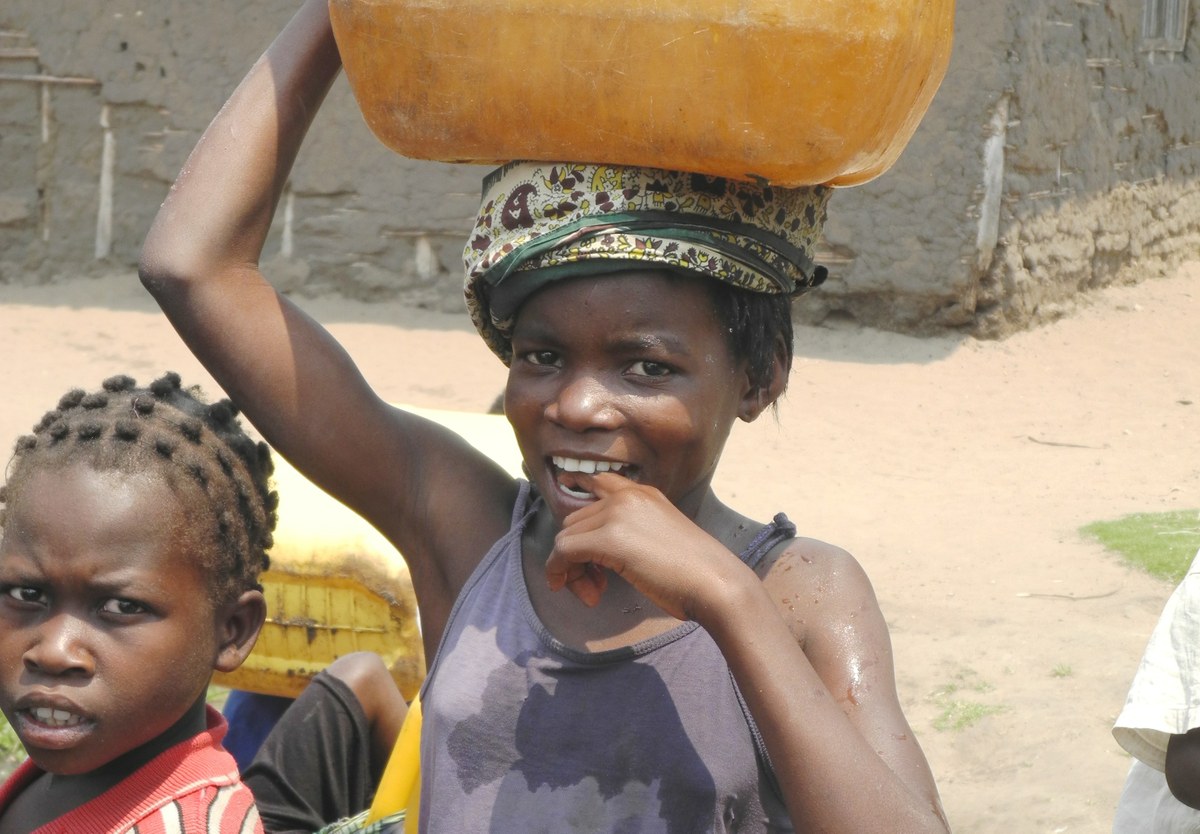
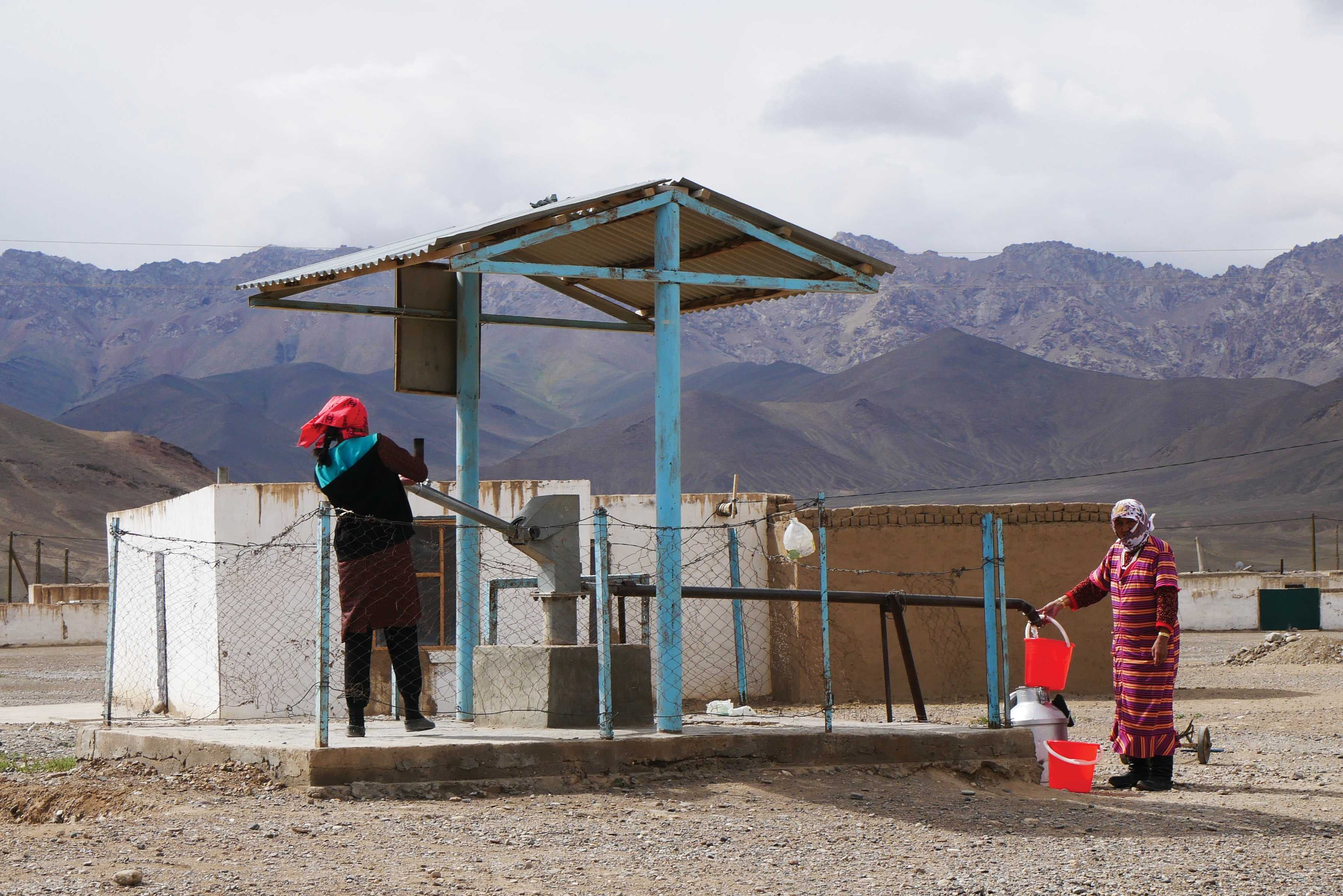
Programme Eau Potable pour la Population des Grands Lacs (PEPP)
The purpose of the Programme Eau Potable pour la Population des Grands Lacs (PEPP) is to contribute to improved health status and living conditions of the populations in the Great Lakes region by enhancing sustainably their access to safe drinking water and the adoption of good hygiene and sanitation practices. The PEPP operates in the province of Ngozi (Burundi) and in the districts of Nyamasheke and Rusizi (Rwanda), as well as in the South Kivu province (DRC).The programme is a continuation of the regional cooperation work carried out over the past years by Swiss Cooperation on health, rural development and decentralization, and contributes to the achievement of the objectives in the field of “basic services” (health, drinking water and sanitation) of the Swiss cooperation strategy for the Great Lakes Region 2013 - 2016.
Swiss Agency for Development and Cooperation (SDC)
Swiss Tropical and Public Health Institute (Swiss TPH)
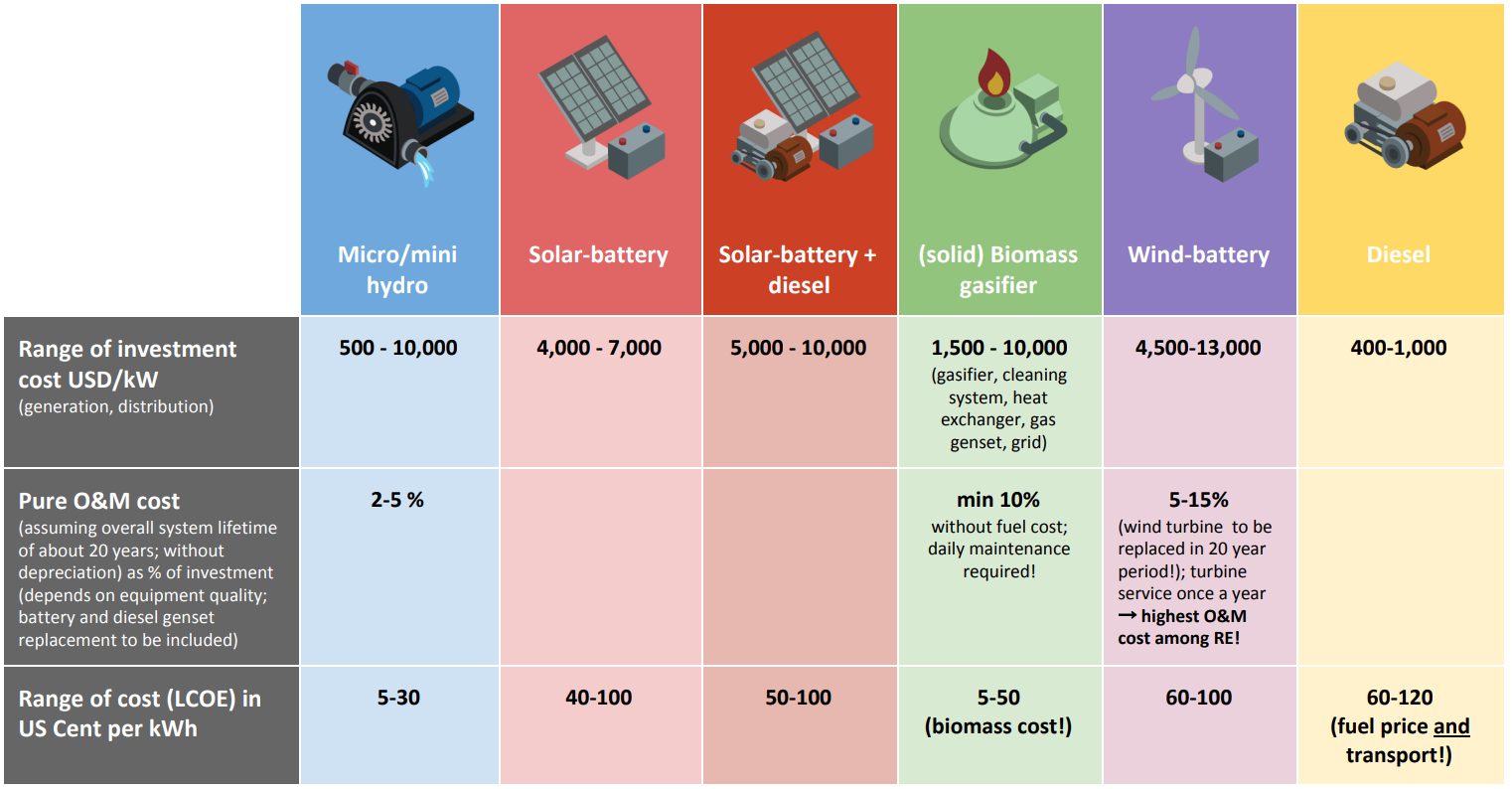
Preparation and Implementation of a Webinar Series on Mini-Grids
Skat with Energypedia and HPNET ran 3 webinars in 2017, attended by 90–160 experts per session from agencies, banks, NGOs, practitioners. Supported by Skat Foundation with professional input.
Skat Foundation, own funds
Energypedia
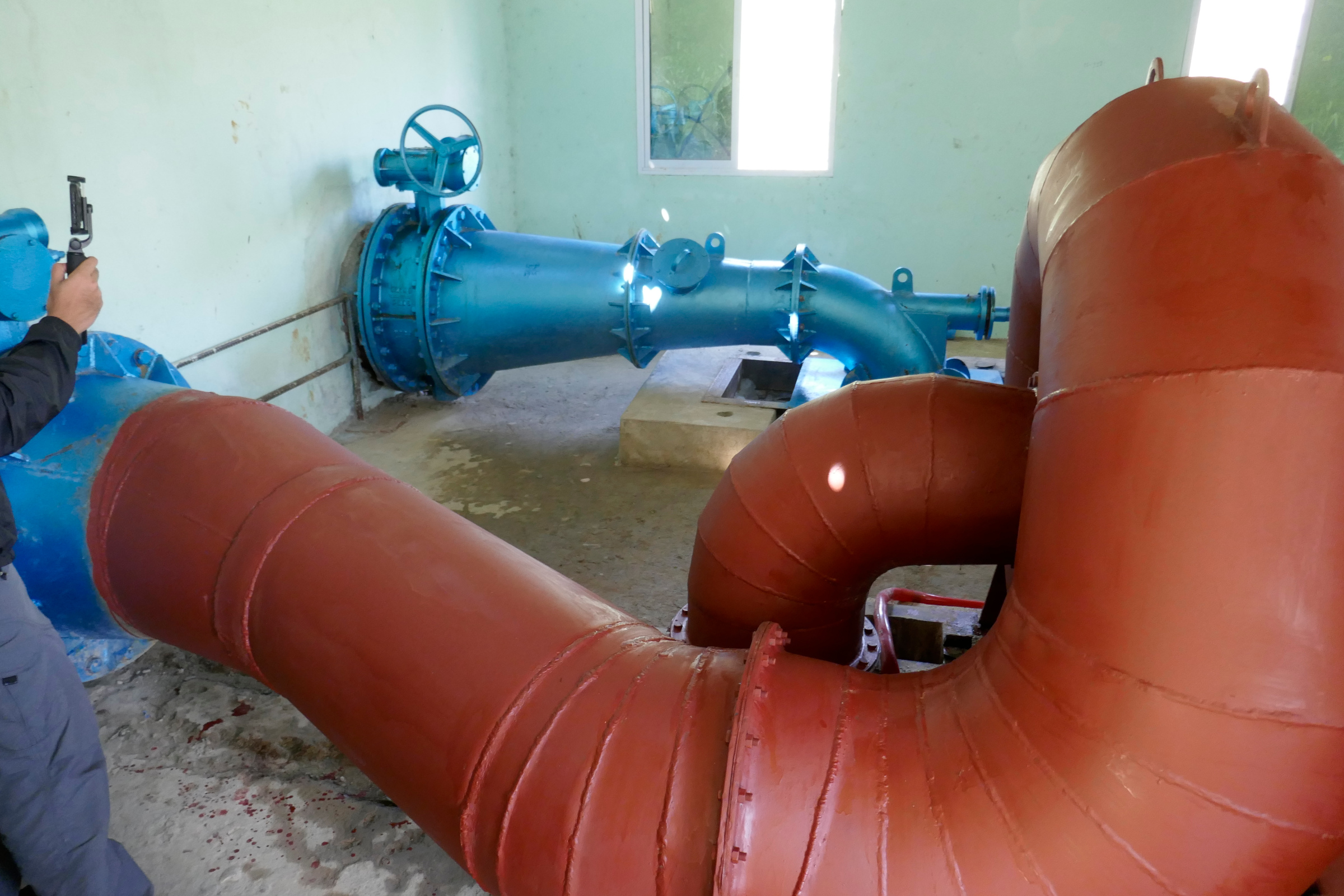
Micro-Hydropower Documentation Review and Advisory Services for Local Private Sector Stakeholders
Myanmar as one of the least developed countries in SE Asia and a rural electrification rate of 20% adapted a National Electrification Project (NEP) in 2015 which outlines extension of the national grid, solar home systems and mini-grids (PV, mini hydro MHP, biogas and hybrid). The project proposals received as response to the various calls is slowly improving. Feedback of the (local) private sector has indicated that the needs of small-scale hydropower are overlooked and the current Call for Proposal (CfP) mechanism and documents are hindering the development of a sustained mini hydro project pipeline. Since 2016 GIZ provides technical assistance to public and private stakeholders in the context of the NEP. Skat was mandated to analyse and give recommendations on the CfP documentation and to identify technical assistance requirements of the local mini-hydro practitioners.
GIZ, Deutsche Gesellschaft für Internationale Zusammenarbeit
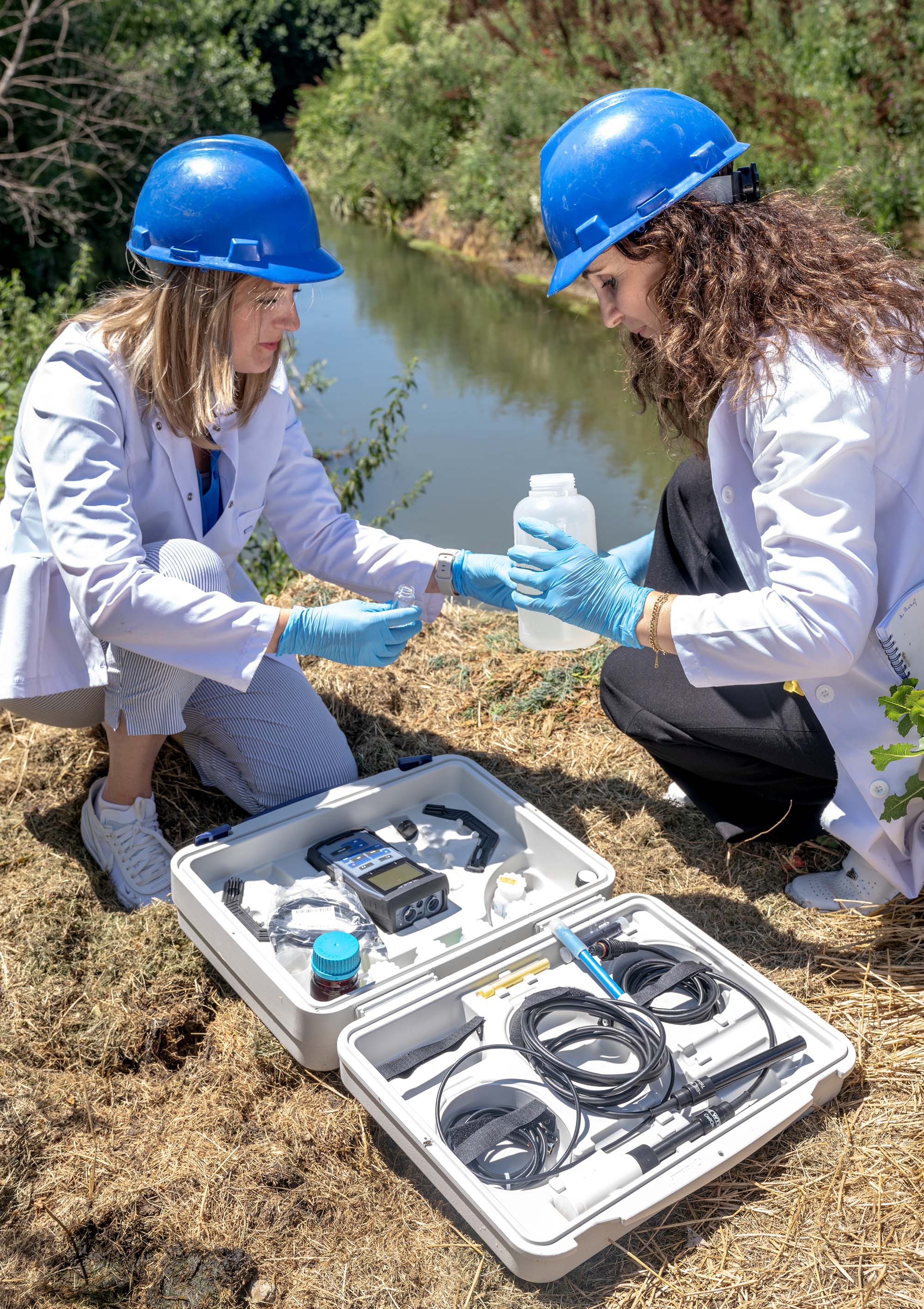
Integrated Water Resources Management in Kosovo (IWRM-K) – Program Inception Phase
In Kosovo, based on its long-standing engagement in the water services sector, the SDC aims a supporting over the next decade the establishment of an Integrated Water Resources Management (IWRM) approach with related institutional capacities and people’s skills. Skat Consulting Ltd. in association with the EAA was awarded the mandate of carrying out a one-year inception phase for the IWRM-K Program. Under the lead and management of Skat, the inception accomplished a full-fledged Program co-design process with the donor and local stakeholders to identify measures to be funded in the four years Phase 1 of the IWRM-K.
SDC – Swiss Cooperation Office in Kosovo
Environment Agency Austria (EAA); World University Services (WUS); KEK-CDC Consultants (KEK)
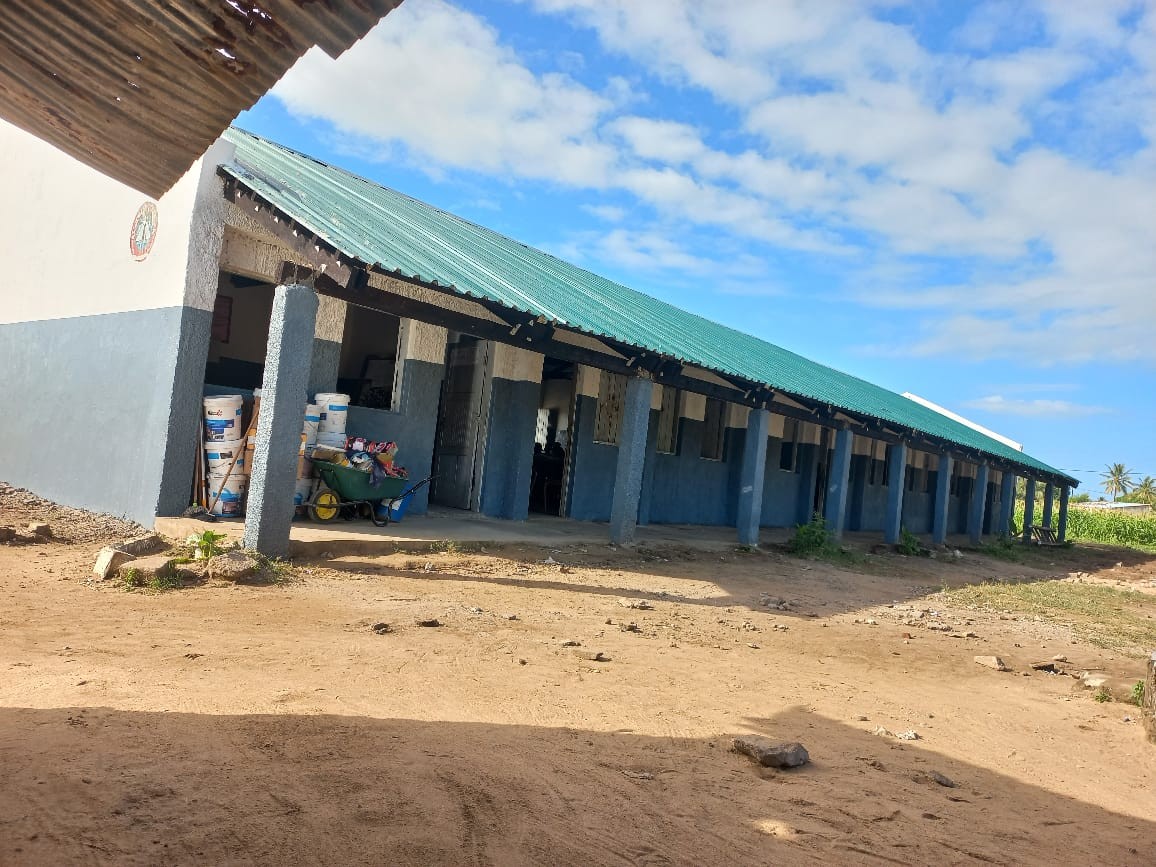
Improve Quality of Primary Education in Ethiopia, Tanzania and Mocambique
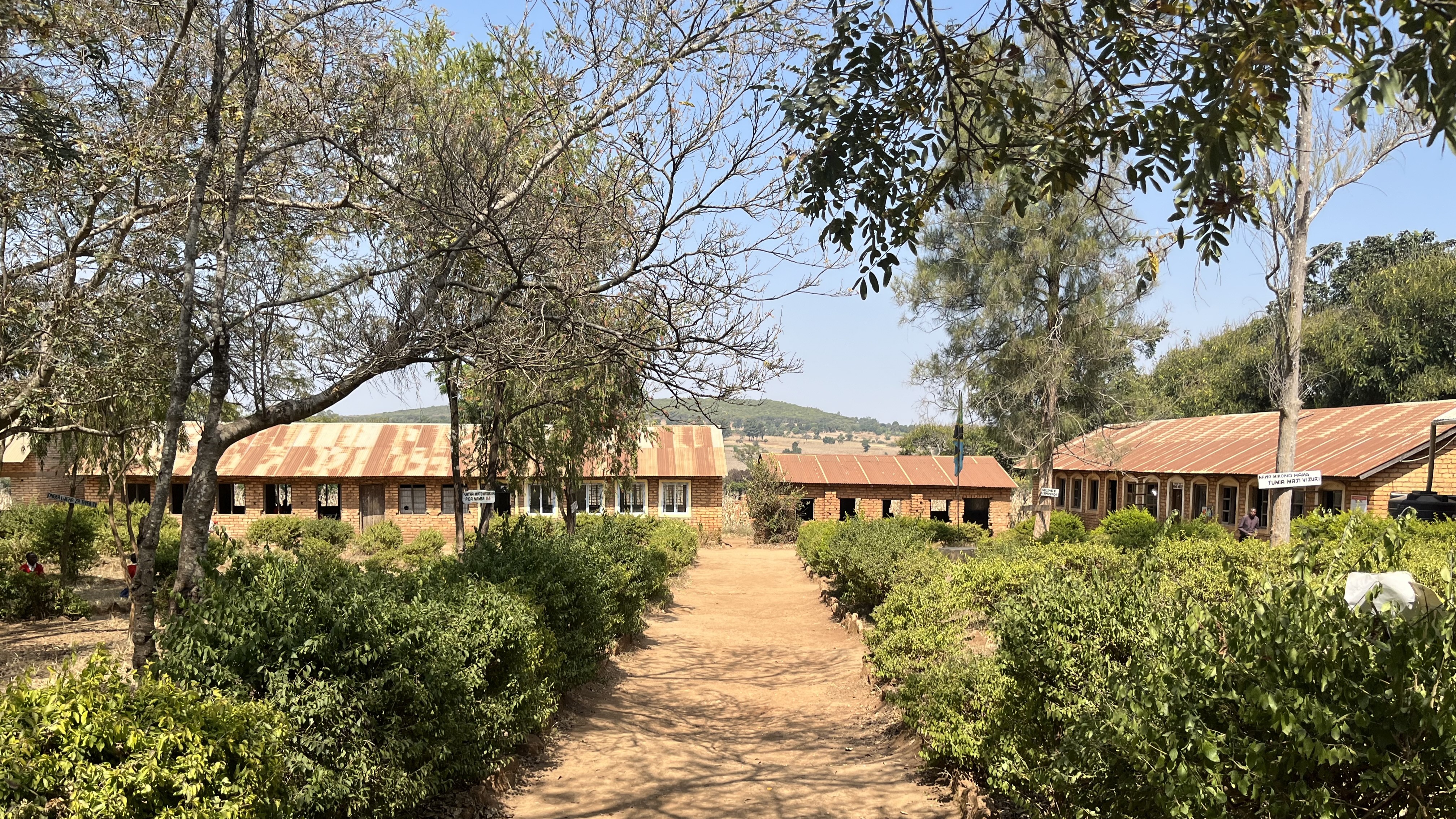
In Ethiopia, Tanzania and Mocambique, PCF Is supporting efforts to construct and rehabilitate schools and WASH facilities of its projects with partner organizations. The overall outcomes of the projects are to improve access to inclusive and equiable quality education in public schools. The projects components are the construction, upgrading, rehabilitaation and furnishing of schools.
PCF
Pestalozzi Children’s Village Foundation
International Programmes
Ethiopia:
Centor of Concern, (CoC), Hawassa, Ethiopia
Tanzania:
SHIPO, Njombe Tanzania
CASEEE, Nane Nane Ground, Tanzania
Mozambique:
Esmabama, Beira, Mozambique
Progresso, Maputo, Mozambique
Geneva Water Hub (GWH) Phase III Design
Since its establishment in 2014, the Geneva Water Hub (GWH) has been promoting the use of water as an instrument of peace and stability, based on an in-depth analysis of conflict dynamics and the networking of actors who can contribute to global change. Over 2017-2019 in particular, the GWH has consolidated its functions and strengthened its global recognition.
University of Geneva (Geneva Water Hub)
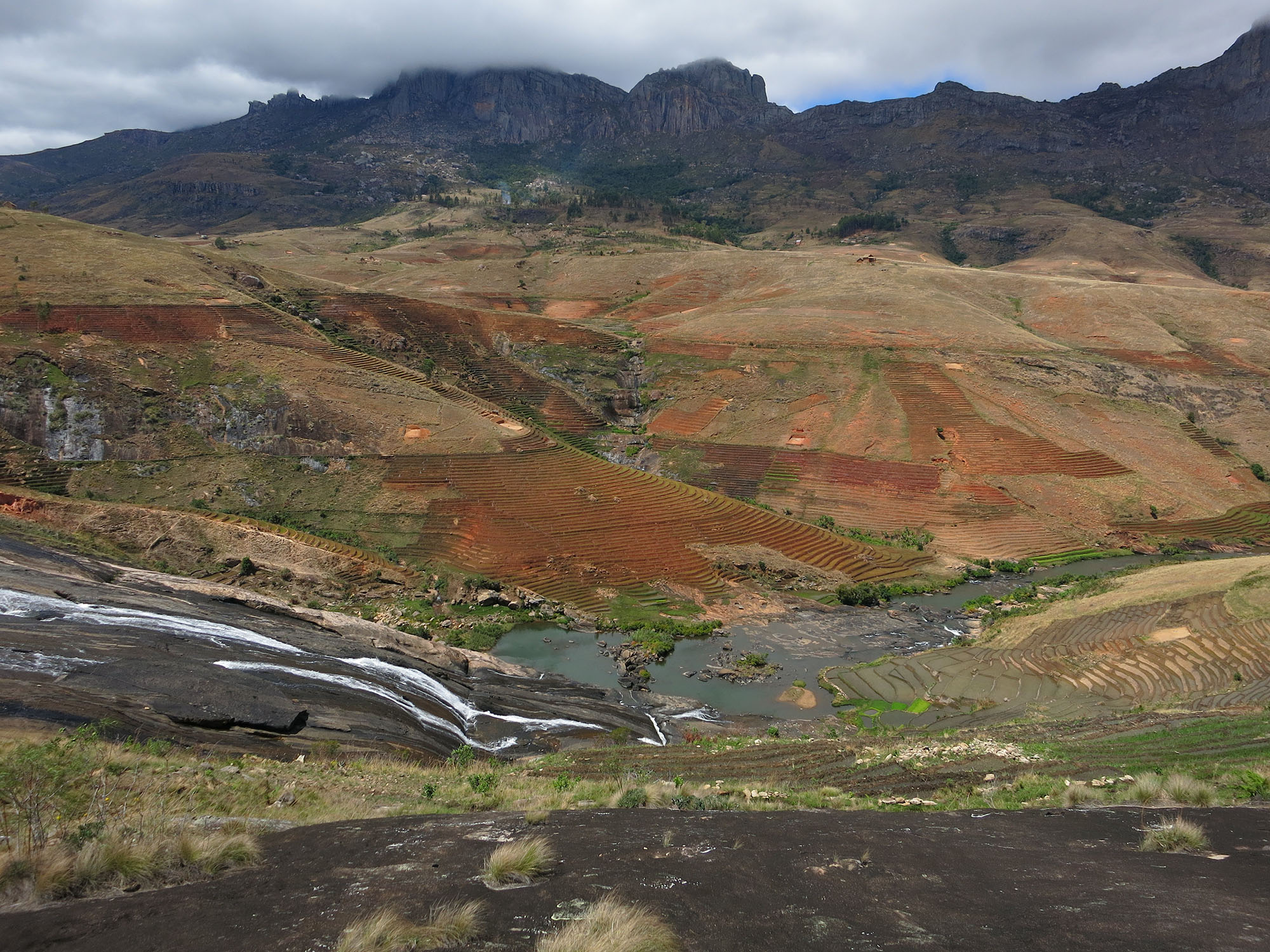
Feasibility studies for rural electrification projects in the Upper Matsiatra Region, Antsinanana and Amoron'i Mania (based on hydropower)
In the context of the implementation of Madagascar’s New Energy Policy, the Ministry of Water, Energy and Hydrocarbons and the Agency for the Development of Rural Electrification (ADER) in partnership with GIZ-PERER (Electrification Project through Renewables) intend to accelerate the process by supporting the elaboration of feasibility studies and detailed design studies before starting a “call for projects”. Skat was mandated to elaborate these studies as a basis for the rural electrification based on renewables and to implement a training session for local stakeholders (ministry, ADER, regulator and private operators).
GIZ, Deutsche Gesellschaft für Internationale Zusammenarbeit
Hydro Engineering Ltd.IED SA
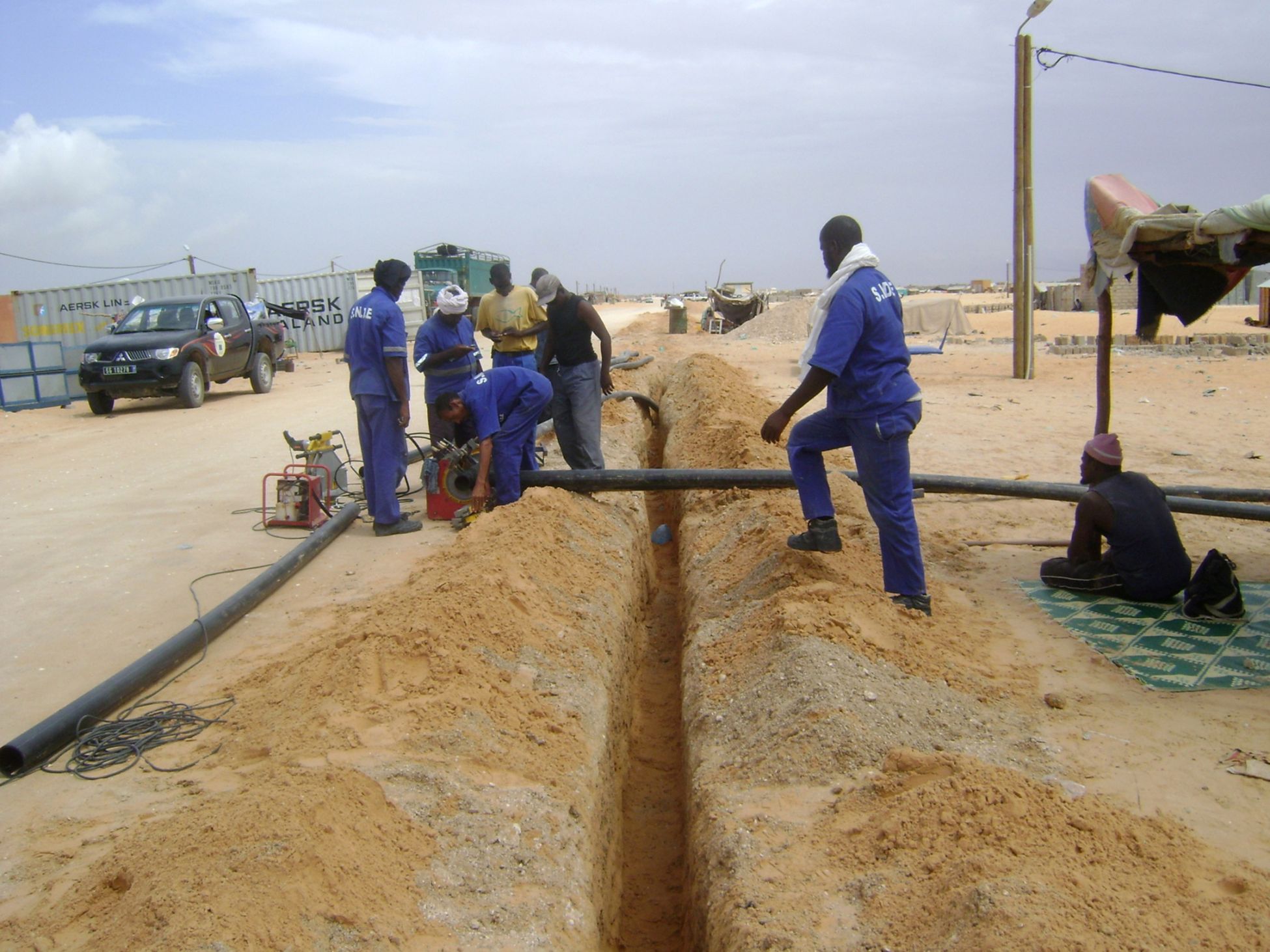
Evaluation PCAEA Lausanne – Nouakchott (Projet Communautaire d’Accès à l’Eau et à l’Assainissement)
In 2009, Lausanne established a partnership with the city of Nouakchott to support the extension of its water network in a new district not taken into account in the water utility’s master plan. Since, the partnership has gone through 3 phases with the actual one ending late 2018. The corresponding learning-oriented evaluation was set up as a process conducted by specialists of the local NGO Tenmiya supported by experts of Skat.
Service de l’eau, Ville de Lausanne
Tenmiya (Centre des Innovations pour le Dévelopement)
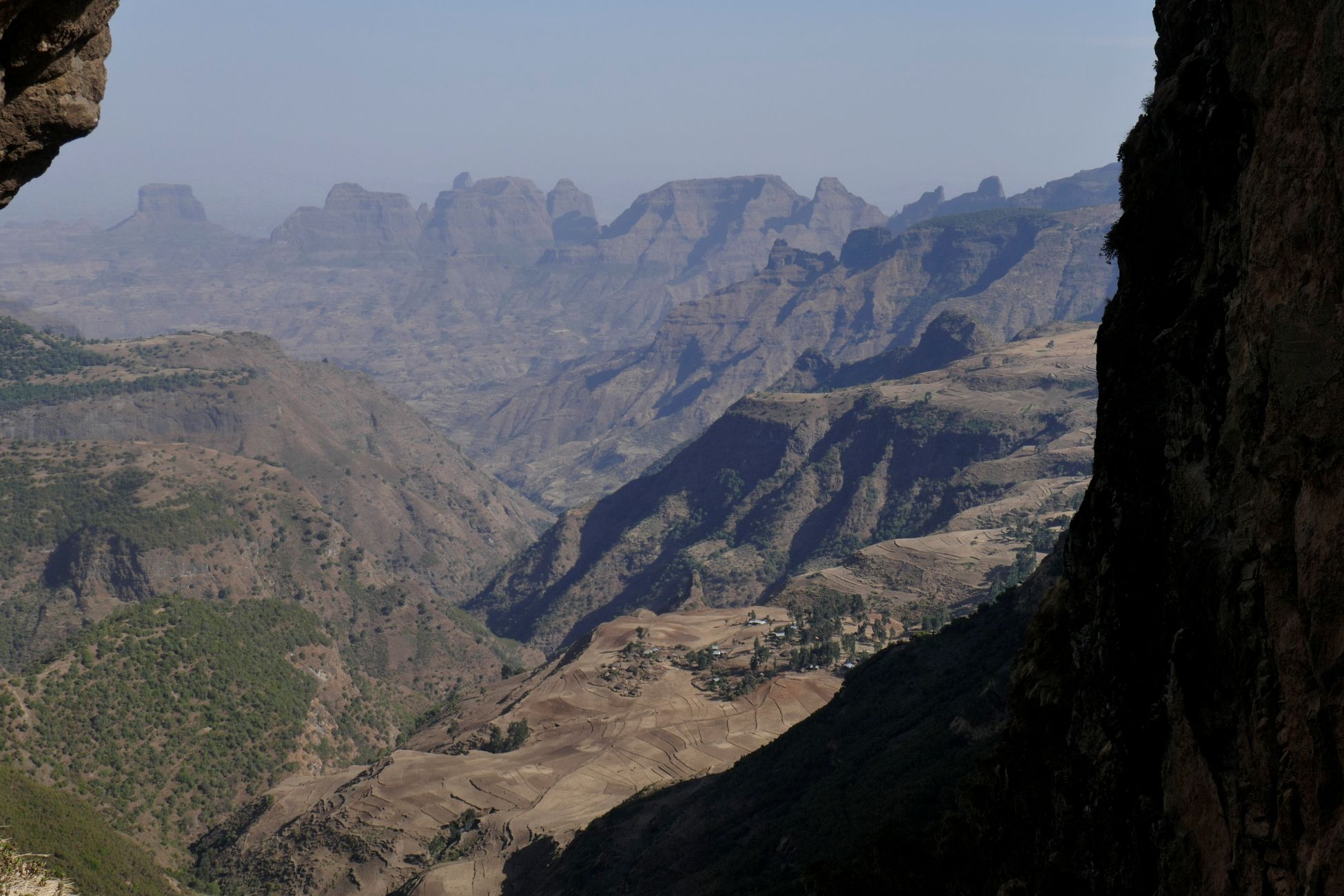
Design and preparation of a programme document “Protection of the Simien Mountains National Park and development of the park and surrounding areas”
The planned 3 years programme (2020-2023) of ADA will support the rehabilitation and sustainable management of the Park to maintain its ecosystem services as well as improve the food security and socio-economic situation of the neighbouring communities to reduce use pressure.
Austrian Development Agency ADA
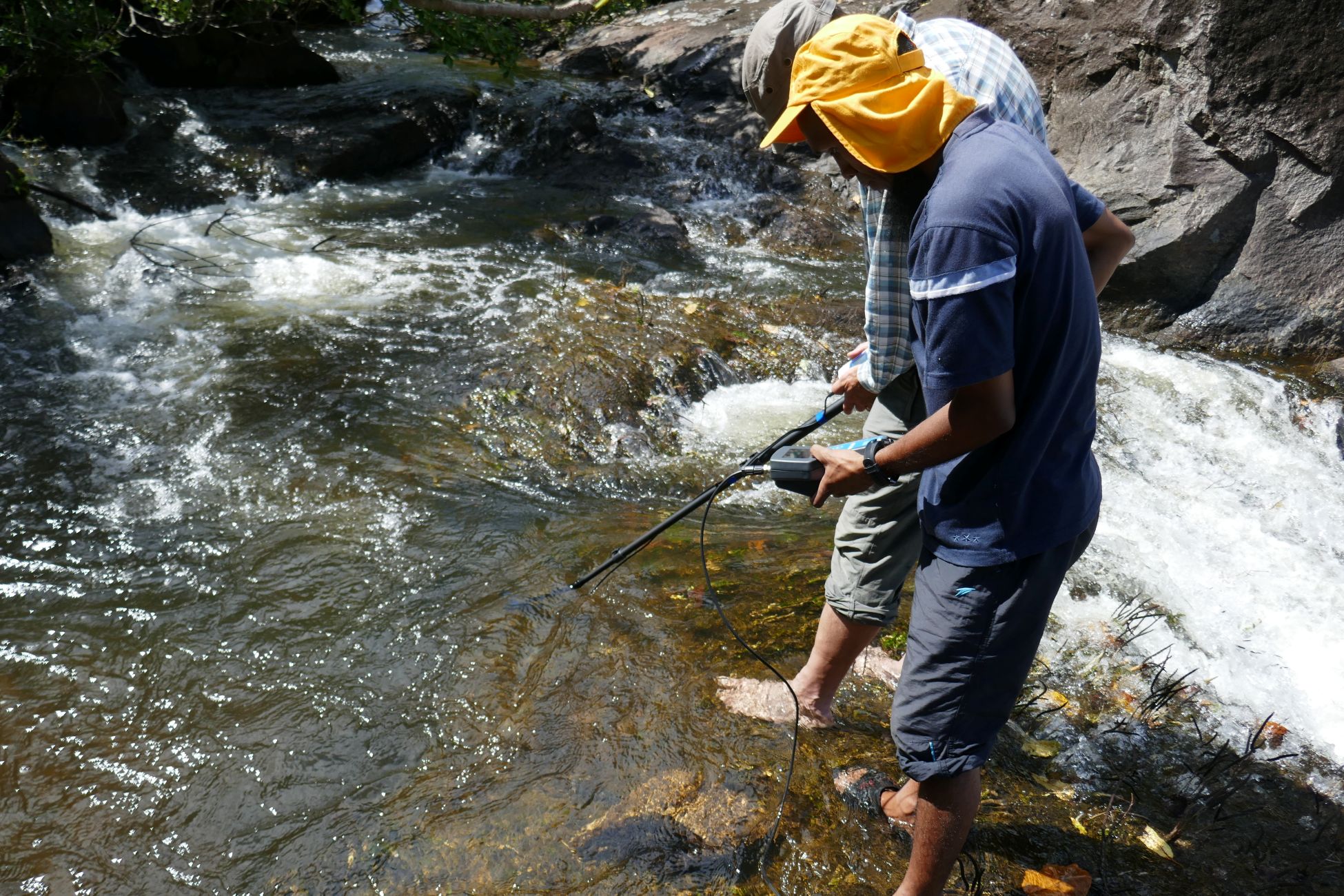
Detailed study for the 240 kW mini hydropower site Sahandaso (Amoron'i Mania Region) and update of two feasibility studies based on newly collected hydrological data
In the context of the implementation of Madagascar’s New Energy Policy, the Ministry of Water, Energy and Hydrocarbons and the Agency for the Development of Rural Electrification (ADER) in partnership with GIZ-PERER (Electrification Project through Renewables) intend to accelerate the process by supporting the elaboration of feasibility studies and detailed design studies before starting a “call for projects”. Skat was mandated to elaborate such studies as a basis for the rural electrification based on renewables.
GIZ, Deutsche Gesellschaft für Internationale Zusammenarbeit
Hydro Engineering Ltd.