






filter

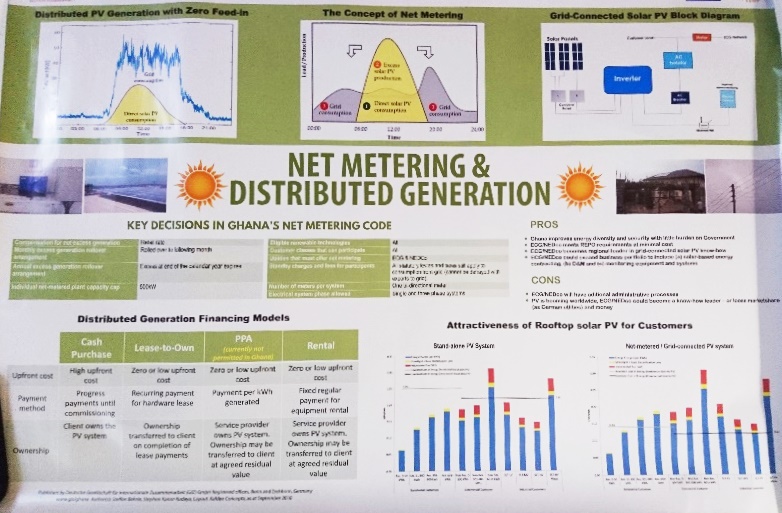
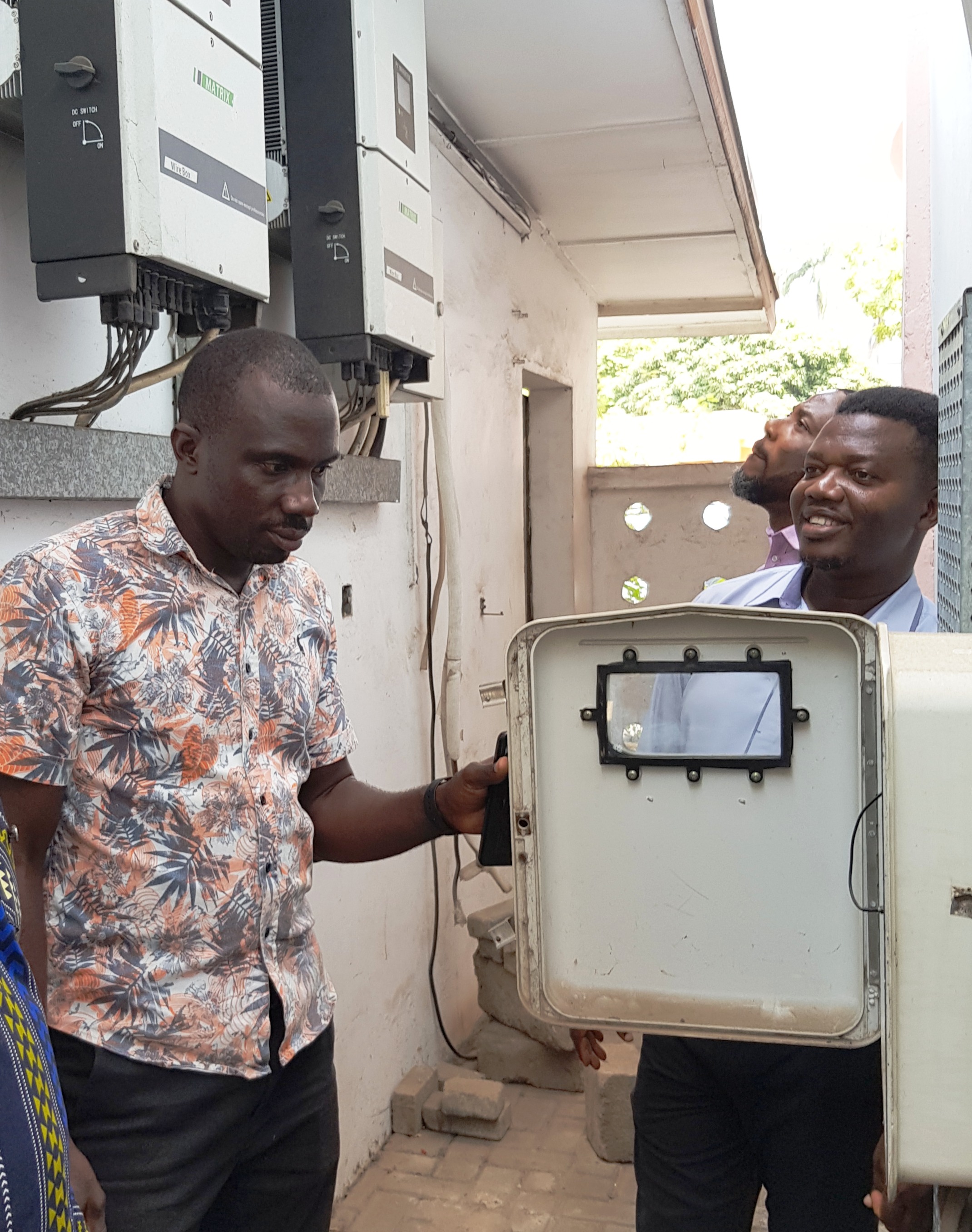
Backstopping mandate for feasibility assessment and completion of studies concerning the project ”Solar PV based net-metering with battery storage” in Ghana
Within its bilateral cooperation programme with Ghana, SECO has identified the project “Solar PV based net-metering with battery storage” (under the Scaling-up Renewable Energy Program for low-income countries SREP), as an innovative project to extend its support to the energy sector. The Renewable Energy Department of the Ministry of Energy, prepared the project through a Feasibility Study (shared with SECO as potential co-financier). SECO stressed the importance of including the distribution utilities (DU) as key actors of the transformation towards distributed generation. Skat supports with technical, financial and organizational expertise in assessing the project’s feasibility and completion of project preparation activities.
Swiss State Secretariat for Economic Affairs SECO, Economic Cooperation and Development
Intec GOPA-International Energy Consultants GmbH
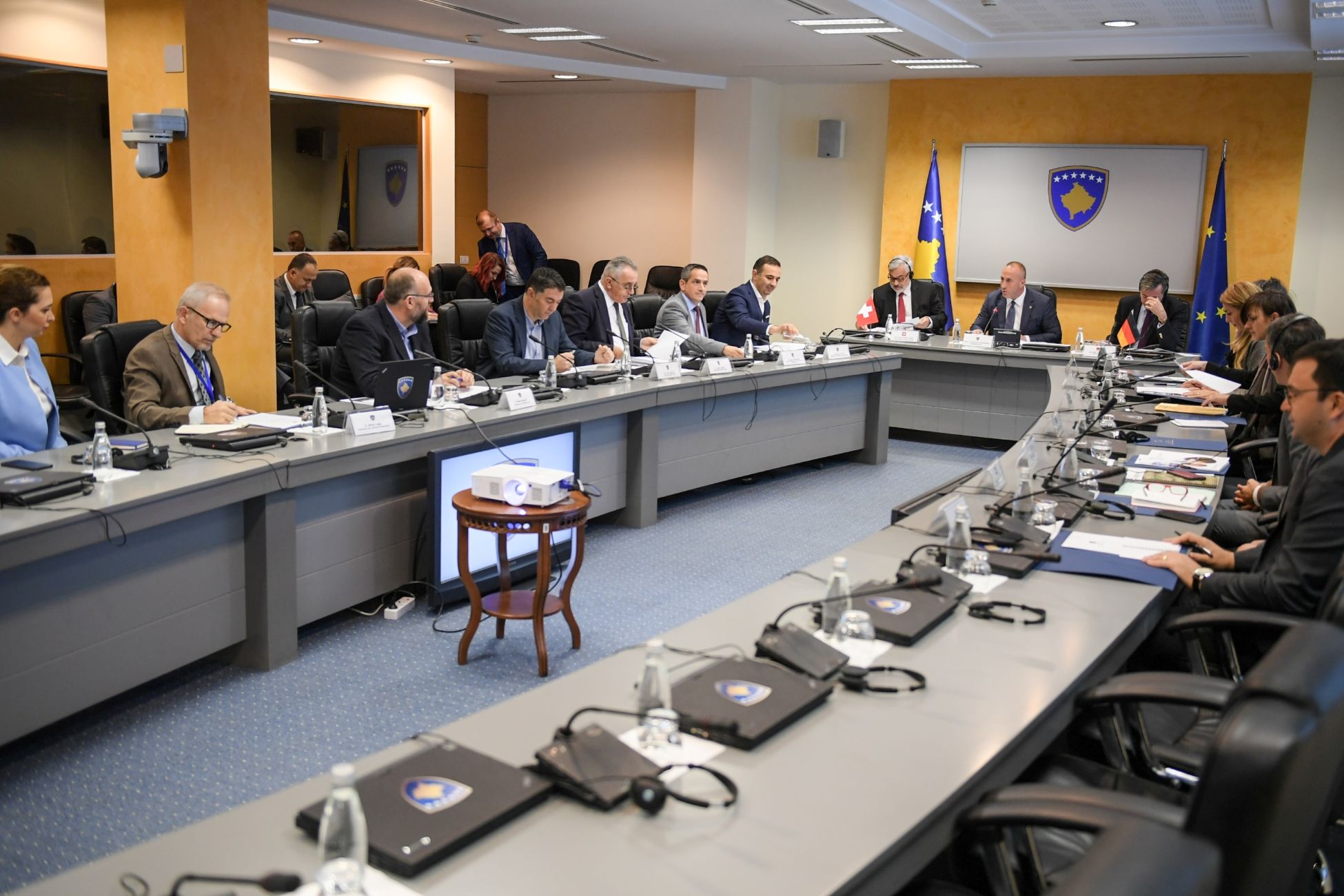
Backstopping Mandate (BSM) to the Inter-Ministerial Water Council (IMWC) of Kosovo
Since 2009, Skat has been acting as backstopping consultant assisting the Swiss Coordination Office in Kosovo and SECO headquarters in the steering and monitoring of the “Support to the WTF” project, whilst providing technical support (advice and coaching) to the permanent advisors in relevant global and regional water sector issues as well as deploying the short-term experts on specific thematic issues. Skat has also conducted the project’s mid-term review and designed its 2nd Phase now known as “Support to the IMWC”.
In the current backstopping mandate, the Skat expert team with large experience on international water sector reforms and policies, primarily supports the permanent local advisors to the IMWC, whilst deploying the intermittent advisors and the (inter)national short-term experts. The backstopper also provides support to the Swiss Coordination Office and SECO in project steering and monitoring. Finally, the backstopper ensures the quality of the operational plans and reports of the IMWC Secretariat and the intermittent advisors/short-term experts, and was tasked to conduct the project internal review end 2015. The backstopping mandate includes, but is not limited to, the following tasks:
- Provide thematic and methodological advise to the two permanent advisors upon demand and felt needs, whilst bringing in relevant regional and global best practices;
- Support the IMWC Secretariat in developing their Yearly Plans of Operations and in getting them approved by the client;
- Assist the client in monitoring and steering of the project by providing in a timely manner the information, analysis and learning required for effective project performance assessment and decision-talking;
- Monitor on a periodic basis (i.e. during field missions) project progress, performance and synergies with other sector endeavours of the Swiss Coordination Office in Kosovo;
- Comment on the inception report and the semi-annual progress reports of the IMWC secretariat, whilst assisting the finalisation of the documents up to approval by the client;
- Deploy the intermittent advisors to the IMWC based on terms of references and profiles proposed by the secretariat and approved by the client;
- Deploy the national and international short-term experts to the IMWC based on the justifications, terms of reference and profiles proposed by the secretariat/backstopper and approved by the client;
- Participate in / contribute to, upon demand of the client, conferences, workshops, IMWC meetings and other events organized within the framework of the project;
- Conduct, in consultation with the relevant project stakeholders, an internal review of the project in 2015 providing the basis for SECO’s decision taking on project extension beyond the initial two years.
State Secretariat for Economic Affairs (SECO)

Northern Agriculture and Forestry Training College (NAFC)
The development goal is to build up the NAFC, as a centre of excellence, acknowledged by public and private partners in sustainable upland farming systems in the northern provinces of Laos. The project objective is: the NAFC offers an attractive study and working environment for students and teachers (taking into account gender and ethnic groups).
Helvetas Swiss Intercooperation
Swiss Agency for Development and Cooperation
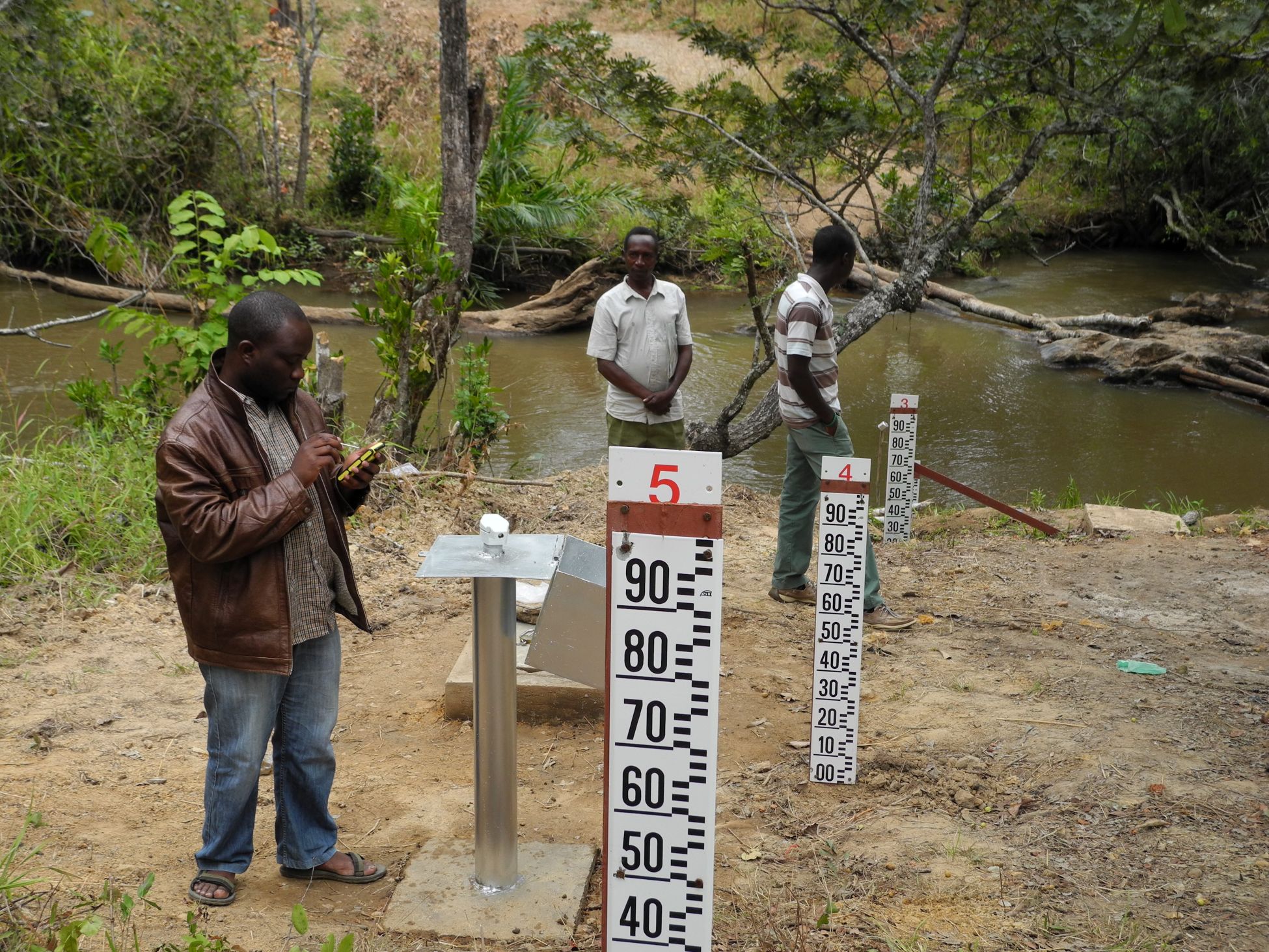
Update of the Hydrological Analysis for the potential Mini Hydropower Site of Lingatunda, Tanzania
A hydrological study has been elaborated for the potential hydropower site of Lingatunda (estimated potential of about 2.48 MW). The hydrological study at that time was mainly based on water level measurements during the period Jan 2013 – Jan 2014 and a number of 19 flow measurements. Since that time, manual readings (two times per day) have been pursued more or less continuously so that today about 3.5 years can be evaluated and the hydrological study can be updated.
Virunga Power
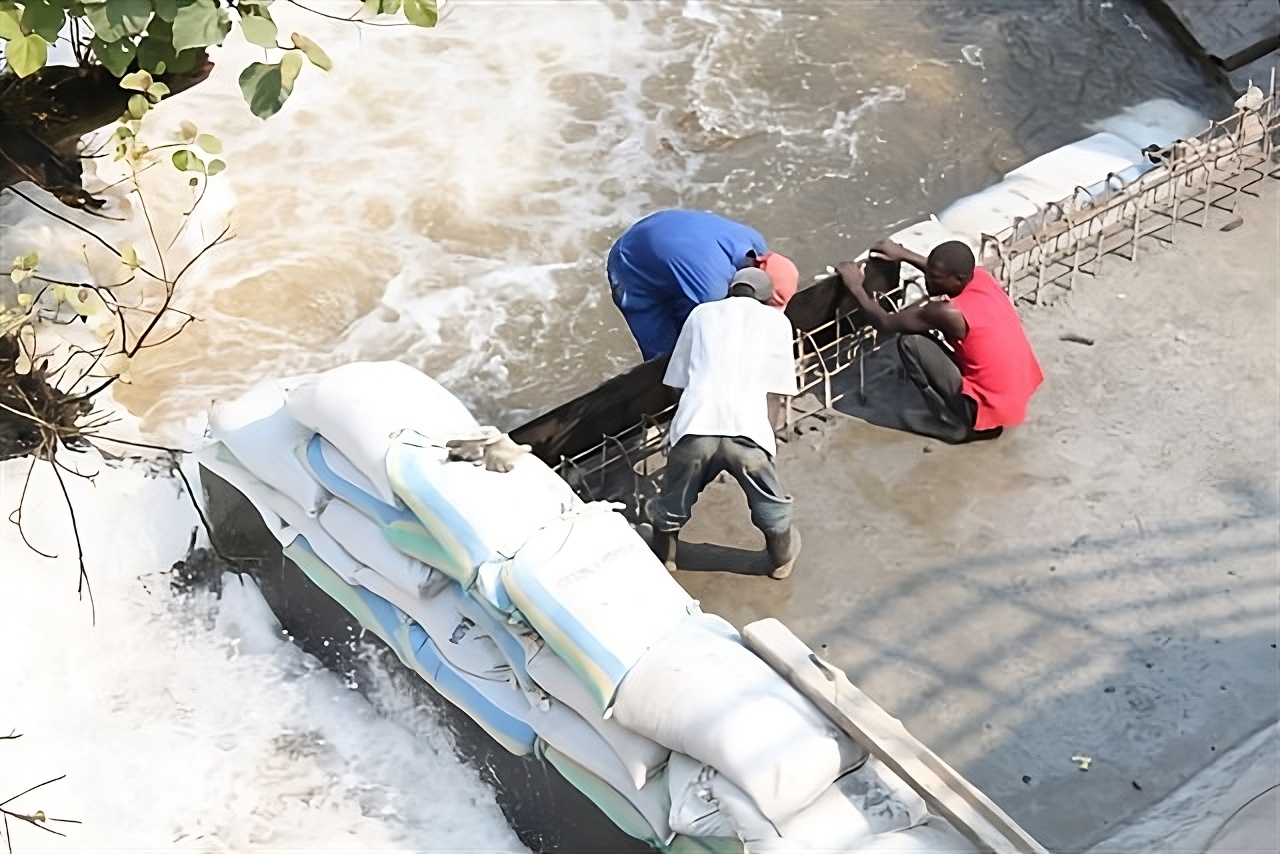
Technical advice on feasibility studies and design of micro hydro projects and support for village-scale renewable energy (RE) mini grids under the results-based financing (RBF), GIZ, Rwanda
The PSP Hydro project, carried out in the framework of the Energising Development (EnDev) Rwanda Program, aims to provide access to electricity. The Program provides “viability gap financing” and technical assistance for small and medium-sized businesses to install and operate micro hydropower plants.
GIZ, Deutsche Gesellschaft für Internationale Zusammenarbeit
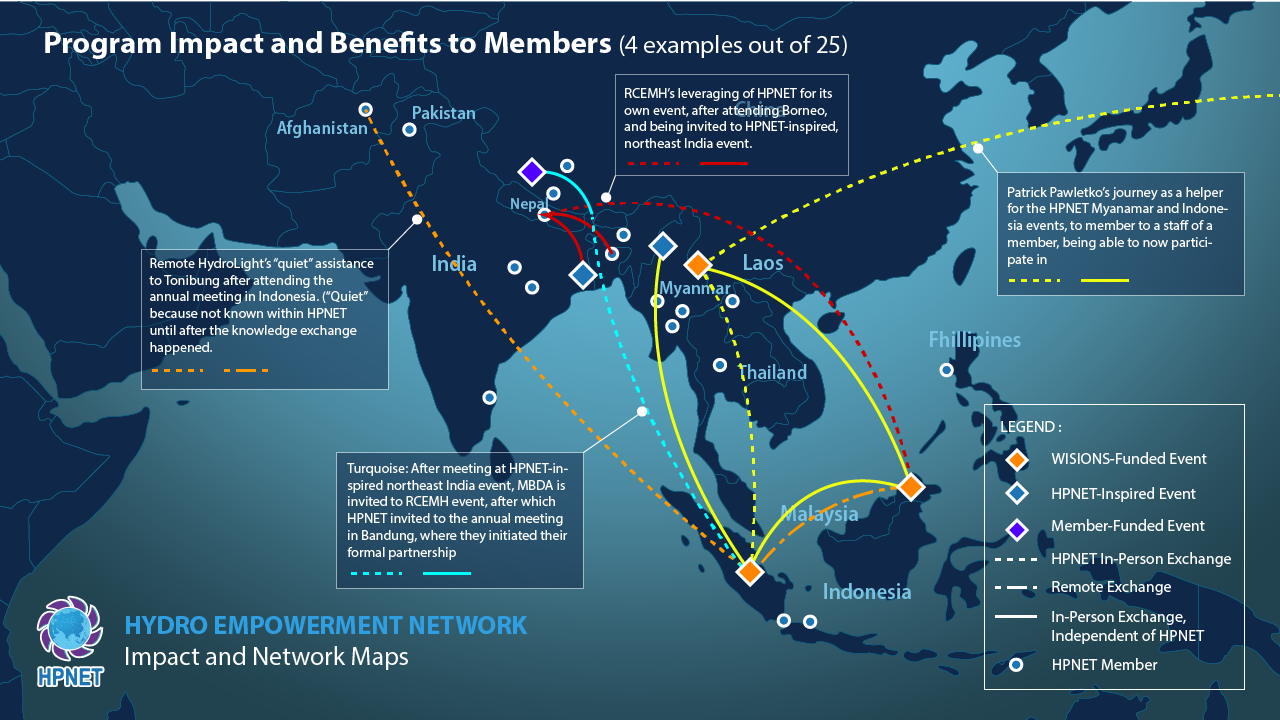
Support of the „Hydro Empowerment Network HPNET“, a practitioners‘ network for micro and mini hydropower in South and Southeast Asia
HPNET, a growing network with 60+ members in 10+ countries, required restructuring for efficiency. Skat Foundation supported structure redesign, communication, networking, webinar series.
Skat Foundation, own funds

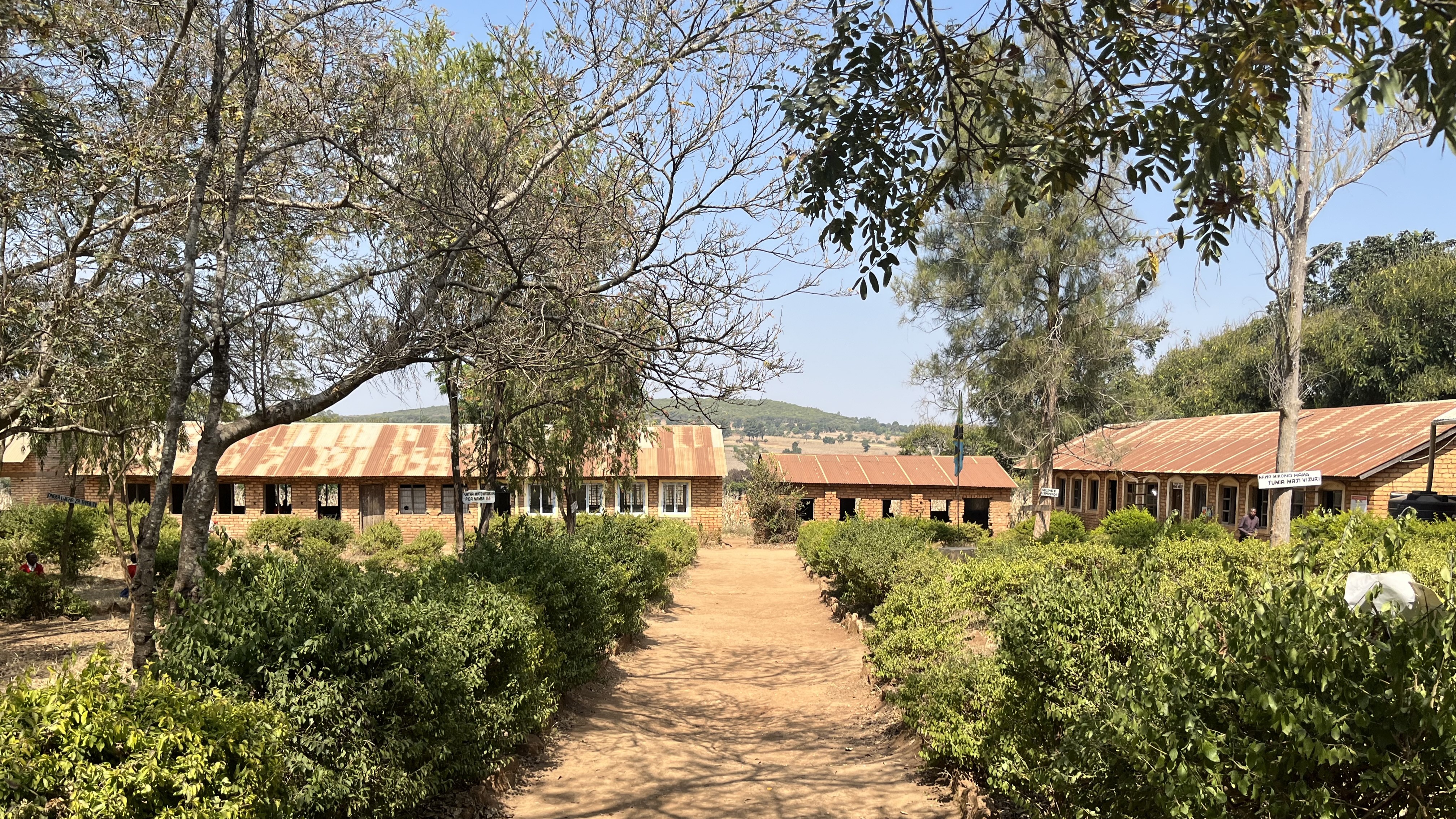
Rehabilitation of earthquake affected schools
A destructive earthquake of magnitude 7.8 struck Nepal on 25 April 2015. Caritas Switzerland is rehabilitating 34 schools in 6 VDCs in Sindhupalchok district, Nepal, to provide students and teachers with earthquake-safe and child- and teacher-friendly learning environments.
Caritas Switzerland, Humanitarian Aid Department
Swiss Solidarity (main donor)
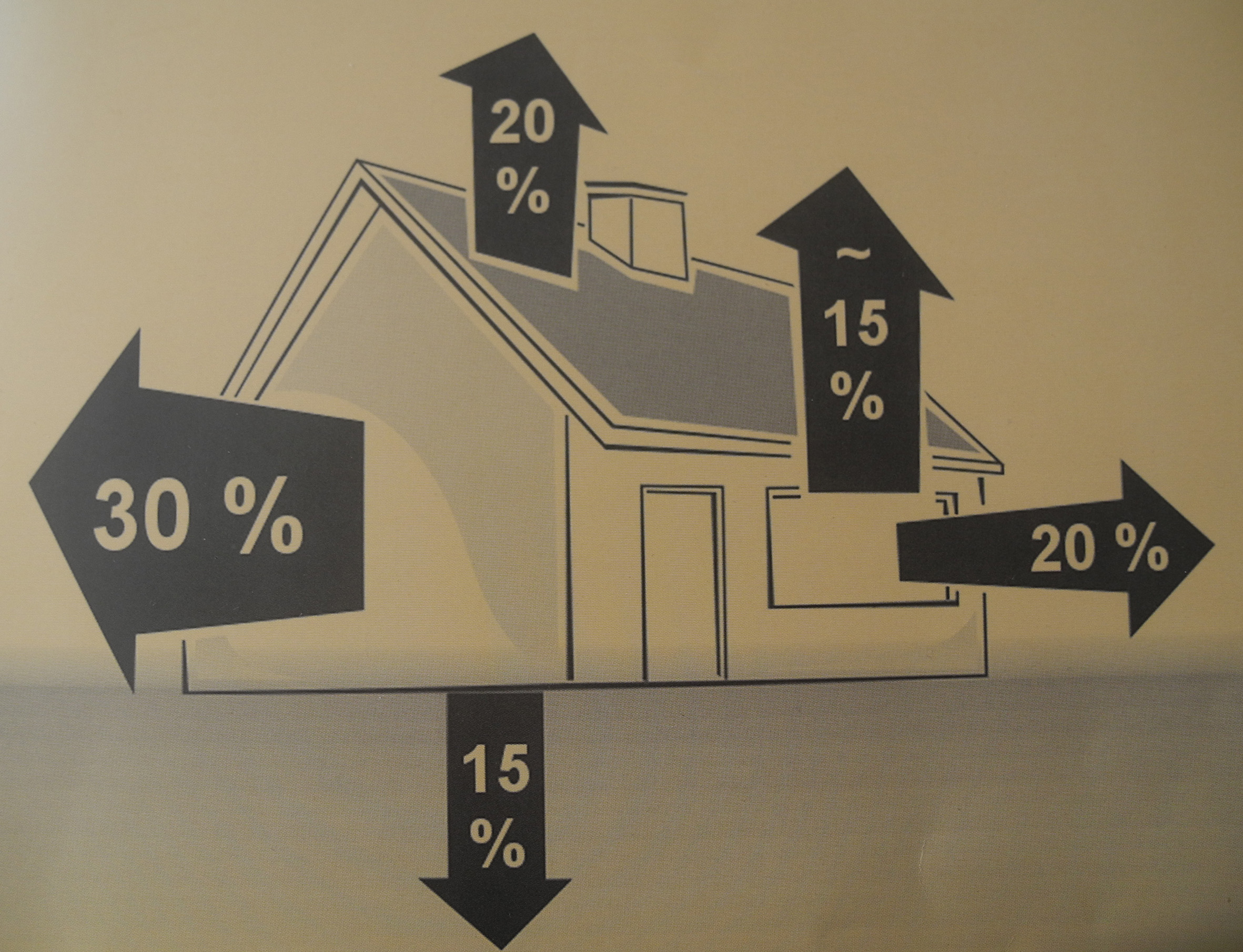
Project planning for the Helvetas-supported project “Green Skills Training in Rural Areas G-STAR” (namely thermal insulation of buildings and energy efficient stoves) in Kyrgyzstan
The Green Skills Training in Rural Areas (G-STAR) will allow unemployed youth, but also young professionals and returning migrants entering into the labour market to become more successful in transition to green economy.
Helvetas Swiss Intercooperation HSI
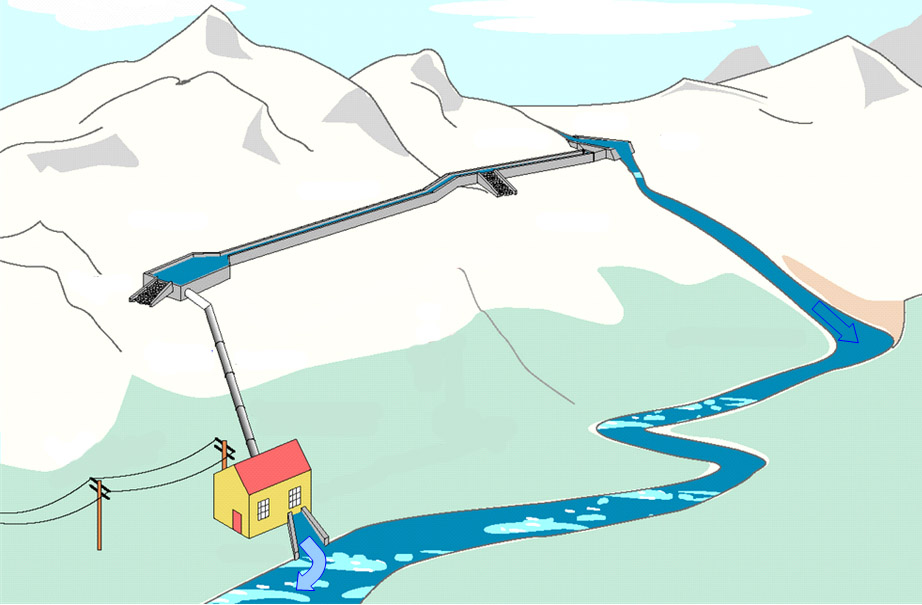
Preparation of Module 1 “Overview on Mini and Small Hydropower and Stakeholders” as part of a Comprehensive Mini and Small Hydropower Documentation (consisting of 6 modules)
The Swiss Federation developed various hydropower publications. SKAT was mandated to develop a concept for hydropower Documentation consisting of six modules. Module 1 is the first established.
Swiss Federal Office of Energy (SFOE, Bundesamt für Energie BFE)
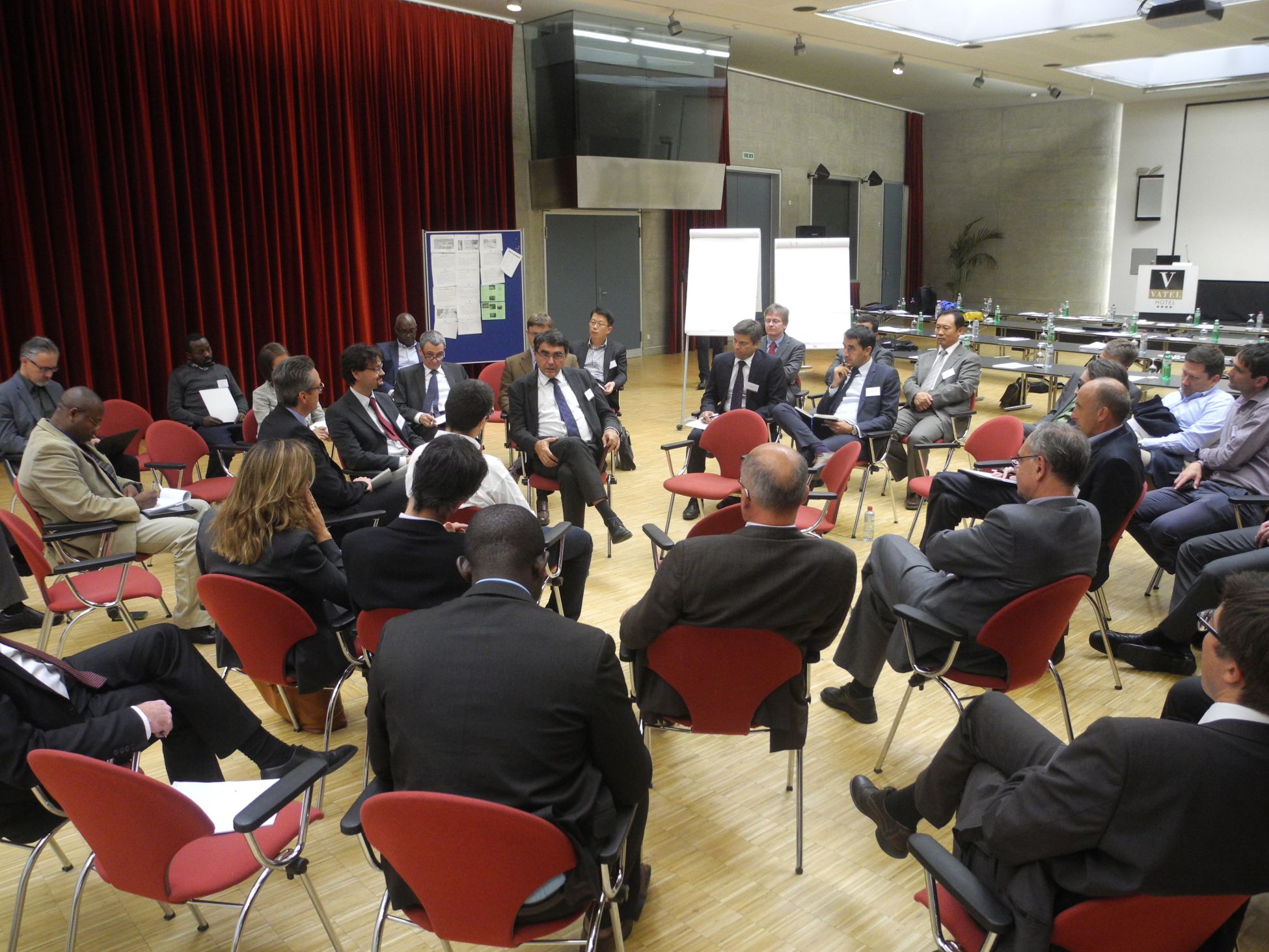
Preparation and implementation of a 2-days workshop on operation and management strategies for hydropower systems
Detailed survey on operation and management problems of (big) hydropower plants (with reservoirs) in World Bank partner countries (Uganda, Rwanda / Burundi, Sao Tomé, Cameroon, Nepal) to prepare and implement a demand-oriented, strategic “Hydropower O&M Workshop HOW” on behalf of the World Bank Group and SECO. Workshop objectives: 1) strategy development based on an improved understanding of (pre-)conditions for a sustainable operation and management of the plants and 2) promotion of an exchange between hydropower owners and operators in developing and industrialised countries.
Swiss Water Partnership SWP (supported by Swiss State Secretariat for Economic Affairs SECO in cooperation with the World Bank)